


What Are You Looking For?
Floating vs Trunnion Mounted Ball Valves: How to Choose the Right Ball Valve for Your System
When specifying ball valves for industrial piping systems, one of the most critical engineering decisions is selecting between floating ball valves and trunnion‑mounted ball valves. Though both belong to quarter‑turn ball valve families and deliver bubble‑tight shut‑off performance, their ball‑support mechanisms create major differences in pressure capability, size range, operating torque, service life and total project cost. GEKO Valve manufactures both designs for oil & gas, petrochemical, power, water treatment and process industries. Understanding their core working principles, pros and cons helps engineers avoid wrong‑specification failures and reduce long‑term maintenance expense.
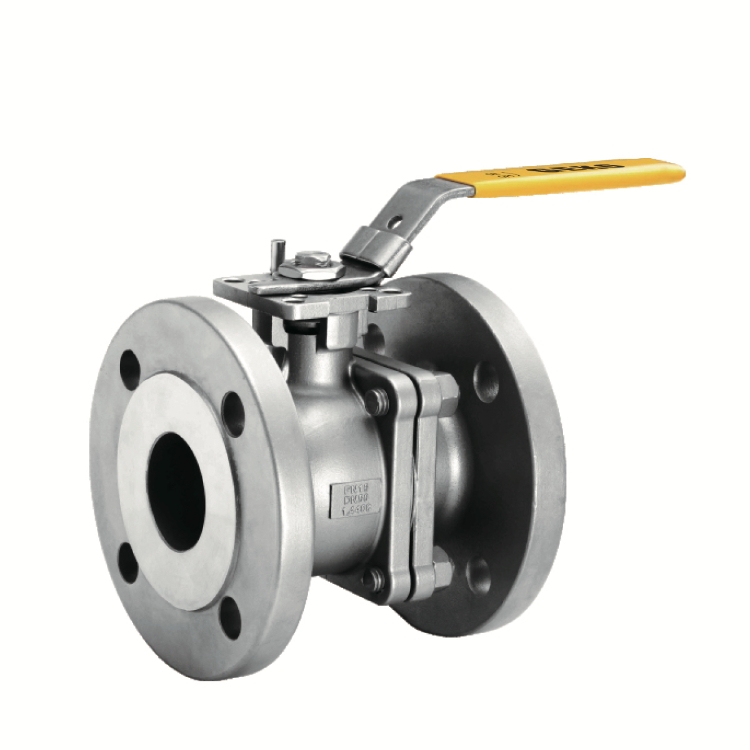
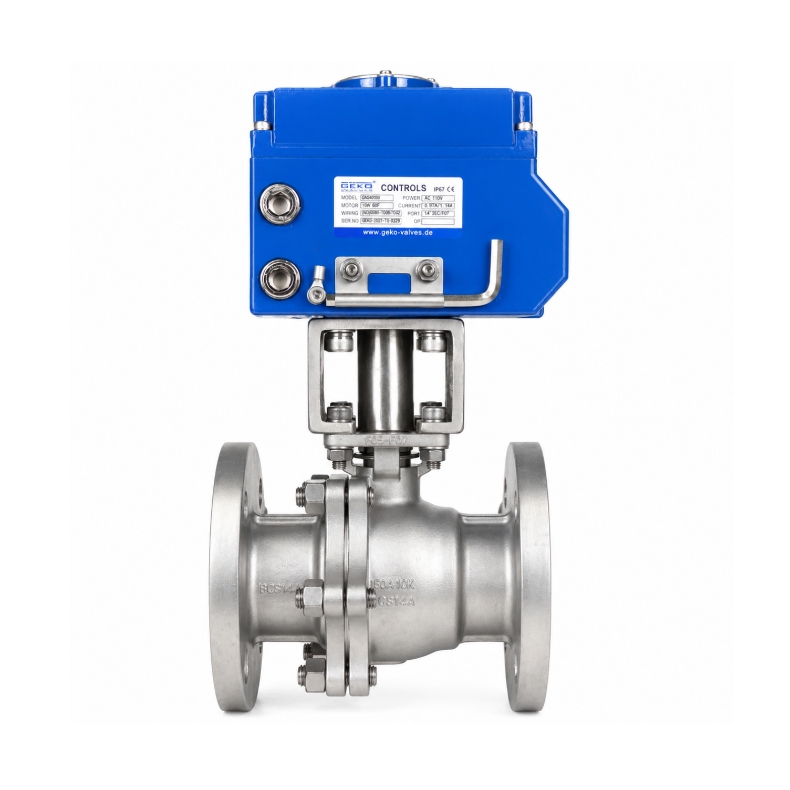
What is a Floating Ball Valve
In a floating ball valve, the ball is not mechanically locked from below. It is held in position purely by the compression of two seat rings. When the valve closes, line pressure pushes the ball slightly toward the downstream seat to create a tight pressure‑assisted seal.
Typical scope: Small‑to‑medium sizes up to DN150 (6 inch), low‑to‑medium pressure classes (Class150‑300). Widely used in water, general chemical processing and medium‑pressure process pipelines.
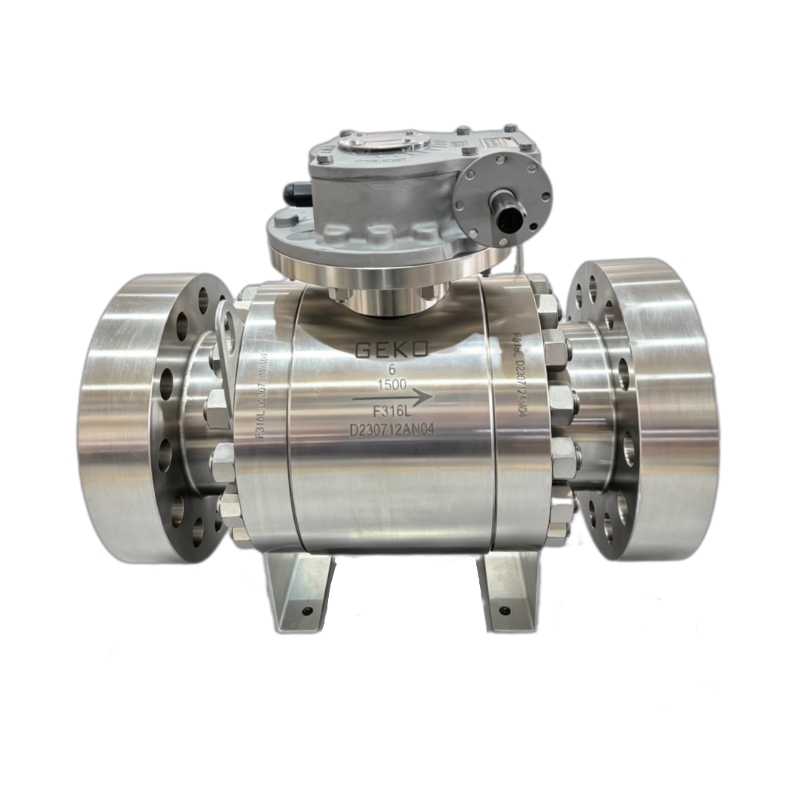
What is a Trunnion‑Mounted Ball Valve
A trunnion‑mounted ball valve features a ball fixed by upper stem and lower trunnion shaft. The ball cannot shift under fluid pressure. Sealing is achieved by spring‑loaded seat rings that press against the stationary ball surface, independent of line pressure.
Typical scope: Large diameter pipelines, high‑pressure Class600 and above, frequent cycle operation. Main applications include oil‑gas transmission pipelines, refinery units, power plant process systems and critical isolation service.
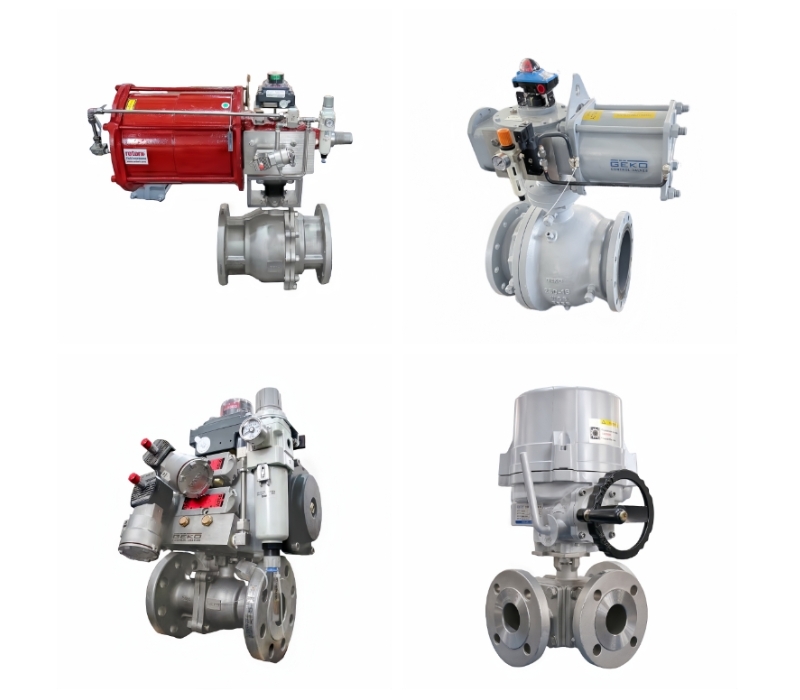
Core Comparison: Floating vs Trunnion‑Mounted Ball Valves
Selection Guide: When to Choose Floating Ball Valves
Select floating ball valves if your project matches most of below conditions:
Selection Guide: When to Choose Trunnion‑Mounted Ball Valves
Specify trunnion‑mounted ball valves for these demanding working scenarios:
Common Selection Pitfalls to Avoid
Many field failures come from mis‑matching ball valve structure with actual working conditions. A floating ball valve used for high‑pressure large‑bore service will produce excessive torque, cause seat crushing and leakage risk. Although trunnion‑mounted valves can technically work for small‑bore low‑pressure lines, they bring unnecessary extra cost. Always evaluate size, pressure, actuation requirement and media before finalizing valve type.
Conclusion
There is no universal “better” design between floating and trunnion‑mounted ball valves; the correct choice fully depends on pipeline size, operating pressure, actuation mode, media properties and project budget. Floating ball valves deliver simple, economical performance for small‑size, medium‑pressure general industrial piping. Trunnion‑mounted ball valves excel in large‑bore, high‑pressure and critical automated process systems, offering stable torque and extended service life. GEKO Valve supplies both floating and trunnion‑mounted ball valves with varied pressure classes, body materials and actuation options to match diverse industrial project requirements.

 Email : info@geko-union.com
 Email : info@geko-valves.de
 Email : tw@geko-union.com
 Email : nl@geko-union.com



 IPv6 network supported