


What Are You Looking For?


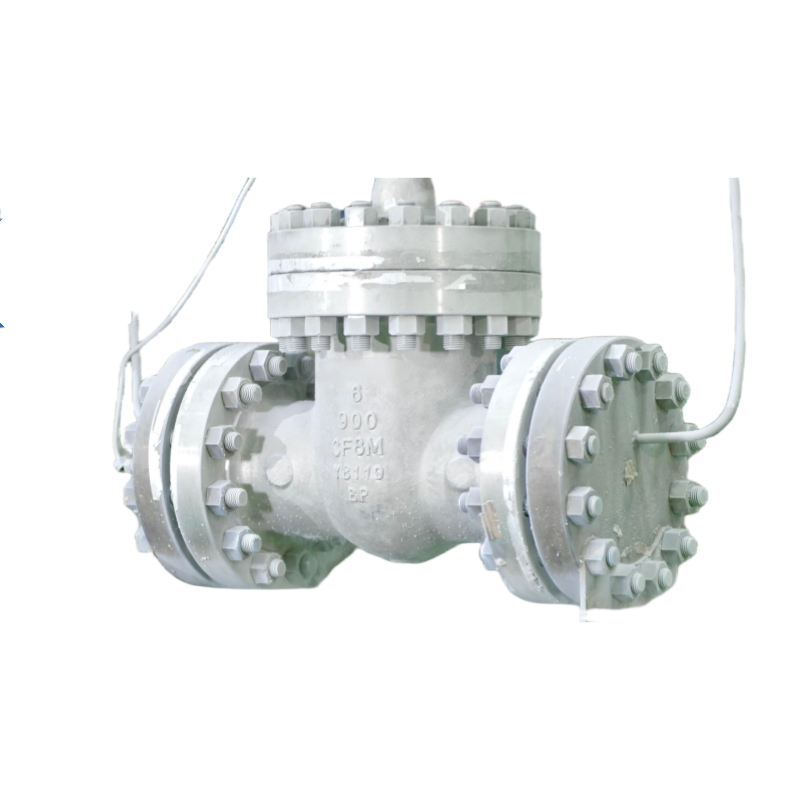
GKV426L GEKO Cryogenic Gate Valve with smooth operation, minimal thermal expansion, and robust construction. Reliable sealing, low operating torque, and long service life make it ideal for LNG, industrial gases, and cryogenic chemical applications.
|
GKV Cryogenic Gate Valve – Smooth Operation, Low Torque & Long-Life Performance
|
|
|
Size range 1/2" ~ 42" (DN15 ~ DN1050) |
Body & Bonnet Material A350 LF2, LCB, LC3, CF8, CF8M (304L/316L), CF3, CF3M |
|
Temperature range -196°C to +50°C (-321°F to +122°F) |
Stem / Shaft Material 304 / 316 / CF8M stainless steel, optional low-friction coating |
|
Maximum Allowable Working Pressure ANSI / ASME Class 150 – 2500 (depends on size and material) |
Seats & Seals Cryogenic-grade PEEK, PTFE, PCTFE, or metal-to-metal seals |
|
Stem Material 304 / 316 / CF8M stainless steel, optionally hardened or coated |
Packing & Gland PTFE / graphite composite, low-temperature resistant |
|
Special / Optional Materials Super Duplex, Inconel, Monel, special cryogenic alloys for corrosive fluids or extreme low temperatures |
Operation Method Manual (Handwheel / Gear), Pneumatic, Electric Actuated
|
|
Special Design Features Smooth gate operation, minimal thermal expansion, low torque, robust structure, anti-frost/thermal shock resistant, modular/lightweight |
End Connection Standards Flanged: ASME B16.5 / EN1092 |
|
Design Standards ASME B16.34, API 600, BS 6364 / ISO 14313
|
Applications LNG storage, transfer, industrial and specialty gas pipelines, cryogenic chemical processing, low-temperature fluid control |
|
Testing & Inspection Pressure & Leakage Test: API 598 / ISO 5208 |
Key Highlights Leak-tight at -196°C, long service life, low maintenance, low operating torque, safe for cryogenic fluids, modular & lightweight
|
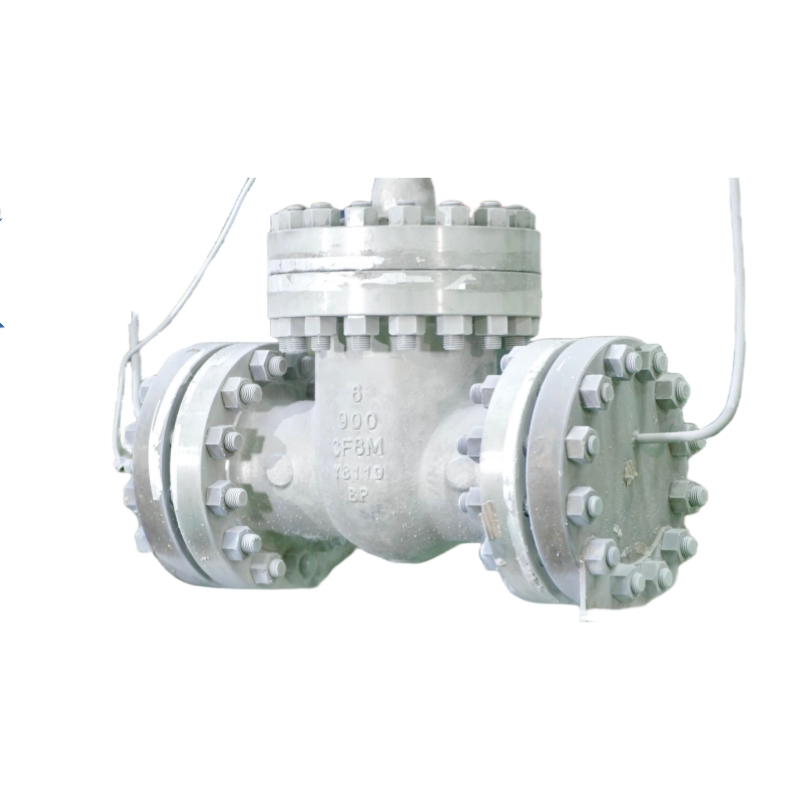
Technical Specifications:
Size Range: 1/2" ~ 42" (DN15 ~ DN1050)
Pressure Ratings: ASME Class 150 ~ 2500 (PN16 ~ PN250)
Body Materials: Stainless Steel ,304L, 316L, CF8, CF8M,
A350 LF2, LCB, LCC,Monel,Inconel, Hastelloy, Duplex SS
End Connections: RF, BW, RTJ
Seat: PTFE, PCTFE
Minimum Design Temperature: -196°C
Certified: Complies with API, ISO, and ASME standards
Reliable: Tight shut-off, precise flow at ultra-low temperatures
Durable: Stainless or alloy steel with cryogenic treatment
Sealed: Metal seats for leak-tight operation
Flexible: Manual, electric, or pneumatic actuation
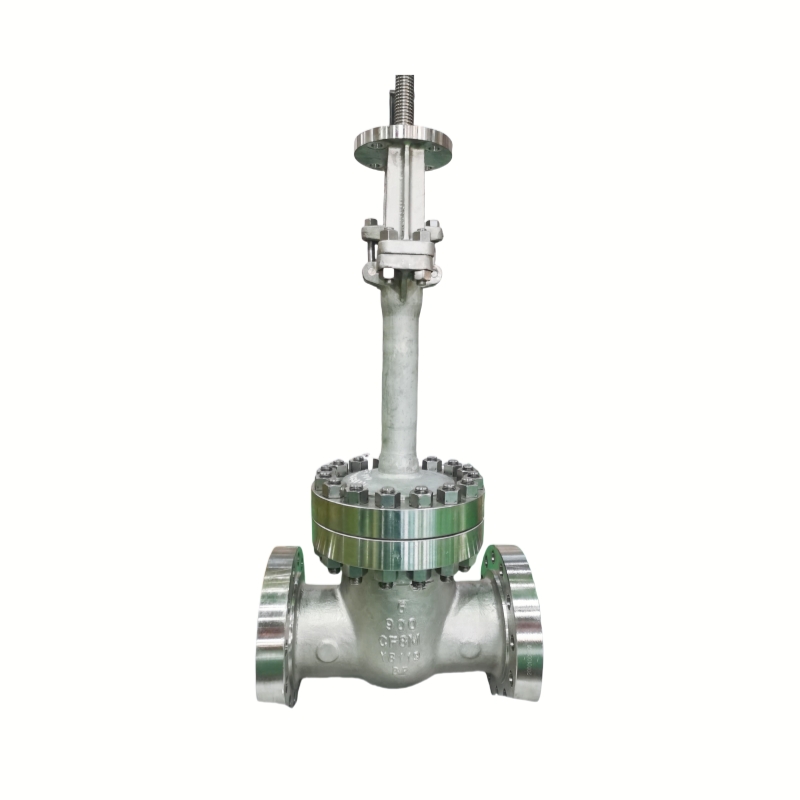
Advanced Technology :
Super Low Torque Design – Optimized gate guide reduces operating effort.
Enhanced Cryogenic Sealing – Zero-leak performance at -196°C.
Minimal Thermal Expansion – Maintains dimensional stability and sealing integrity.
Anti-Frost & Thermal Shock Resistant – Protects components from low-temperature stress.
Smart Monitoring Integration – Optional remote sensors for operational status, pressure, and temperature.
Lightweight, Modular Design – Simplifies installation and maintenance.
Fire-Safe & Anti-Static Compliance – Ensures safety in LNG and combustible gas applications.
Advanced low-temperature testing facilities
Facilities are managed by experienced low-temperature valve specialists.
Low-temperature test pit for large valves
6,000-gallon liquid nitrogen tank for extreme cooling
Mass spectrometer for precise leak detection
Capabilities enable performance validation, design optimization, and tailored testing solutions for critical cryogenic applications.
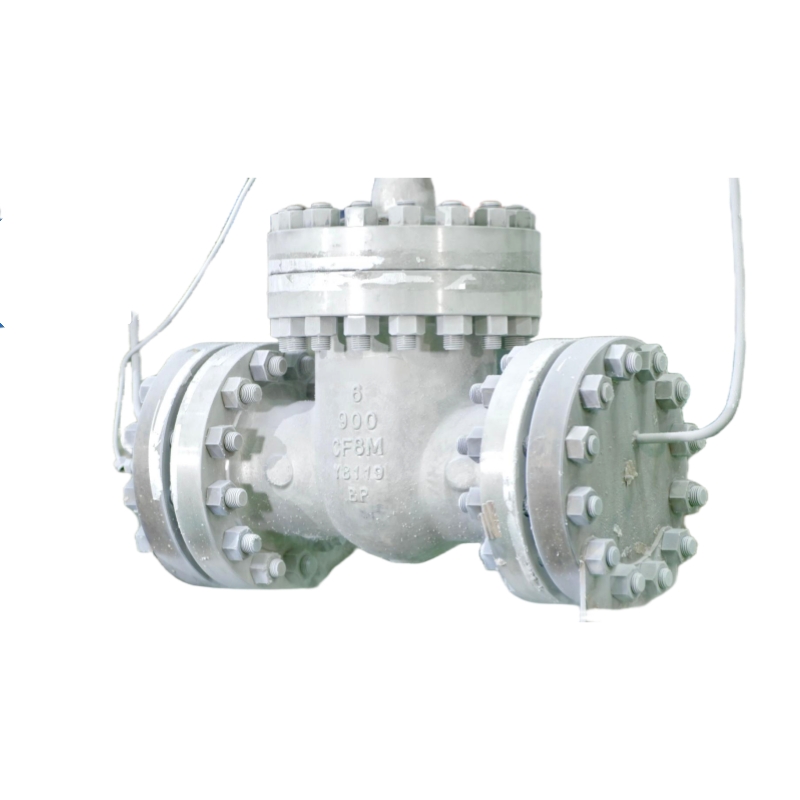
Structure:
Smooth Gate Operation – Ensures precise and effortless flow control.
Minimal Thermal Expansion – Maintains performance under extreme cryogenic conditions.
Robust Construction – Durable design for long-term reliability.
Reliable Sealing – Leak-tight performance, reducing risk and maintenance.
Low Operating Torque – Easier operation and safer handling.
High Cryogenic Stability – Stable performance at very low temperatures.
Extended Service Life – Reduces replacement costs and downtime.
Storage tanks, transfer pipelines, liquefaction/regasification facilities, and loading/unloading stations.
Liquid oxygen, nitrogen, argon pipelines, high-purity gas distribution, and cryogenic storage applications.
Low-temperature chemical storage, cryogenic reaction vessels, and safe isolation of hazardous fluids.
Cryogenic fuel storage, supercooled liquid handling, and LNG-fueled power plants.
Low-temperature laboratories, superconducting systems, space/aerospace cryogenic fuel control.

The GKV3 Wedge Gate Valve is a high-performance industrial valve designed for reliable on/off service in a wide range of applications. Operated via a hand wheel, the valve controls the stem and gate to rise, providing tight shut-off and low pressure drop. This valve is engineered to meet both general and severe service conditions, ensuring safety and efficiency in critical systems.
Read More
GKV426 Globe Valve For Steam Control are mainly used for steam media to on/off or regulate the flow. A Globe valves is a linear motion valve and are primarily designed to stop, start and regulate flow. GEKO provides two types of construction; rising stem and rising-rotating stem. GEKO manufactures the full series of globe valves, including T type, Y type and angle type. GEKO offers globe valves equipped with electric actuators for automated operation, ensuring reliable and efficient control.
Read More
GKV134D Cryogenic Ball Valves – Floating & Trunnion Mounted are designed with extended bonnets and high-performance sealing systems to ensure safe, leak-free operation at extremely low temperatures. Engineered and tested for demanding cryogenic services, these valves deliver long-term reliability in LNG plants, air separation units, liquid oxygen and nitrogen storage, hydrogen applications, and other industrial processes requiring precise control of cryogenic fluids.
Read More
CTBV The Cryogenic Top Entry Ball Valve is engineered for ultra-low temperature applications down to -196°C, providing exceptional sealing performance and operational reliability in cryogenic service. Designed with a trunnion or floating ball configuration, it is ideal for LNG, liquid nitrogen, liquid oxygen, and other cryogenic media. Featuring precision machining, extended bonnet design, and dual-sealing stem structure, this valve guarantees smooth operation, minimized torque, and superior resistance to freezing.
Read More
The GKV16N GKV18C GKV16H series intelligent electric control valve integrates high-precision electric actuators and intelligent control modules, adopts hardened sealing and corrosion-resistant valve bodies, and is widely used in chemical, energy, pharmaceutical and other fields.
Read More
GKV5 Series Swing Check Valve only allows the fluids flow in one direction. The main purpose of check valves is to prevent backflow in the system. There are swing check valves and lift check valves.
Read More
GKV425L Cryogenic Globe Valves designed with advanced sealing technology and precision manufacturing, these valves deliver low operating torque, stable and consistent sealing performance, and an extended service life, even under high-pressure conditions.
Read More
GKV426L GEKO Cryogenic Gate Valve with smooth operation, minimal thermal expansion, and robust construction. Reliable sealing, low operating torque, and long service life make it ideal for LNG, industrial gases, and cryogenic chemical applications.
Read More
GKV527L low-temperature check valves are typically designed for very low-temperature applications, such as storage or transportation of liquefied natural gas, liquefied petroleum gas, liquid nitrogen, or other media.
Read More
GKV925 The Goetze spring-loaded safety relief valve is mainly used in cryogenic liquid medium systems such as liquefied natural gas (LNG), liquid oxygen (LO₂), liquid nitrogen (LN₂), and liquid argon (LAr). This series adopts a micro-lift disc design with threaded connections. The design temperature range is -270°C to +400°C. Key components undergo cryogenic treatment and impact testing to ensure stable operation under low-temperature conditions.
Read More
 Email : info@geko-union.com
 Email : info@geko-valves.de
 Email : tw@geko-union.com
 Email : nl@geko-union.com



 IPv6 network supported