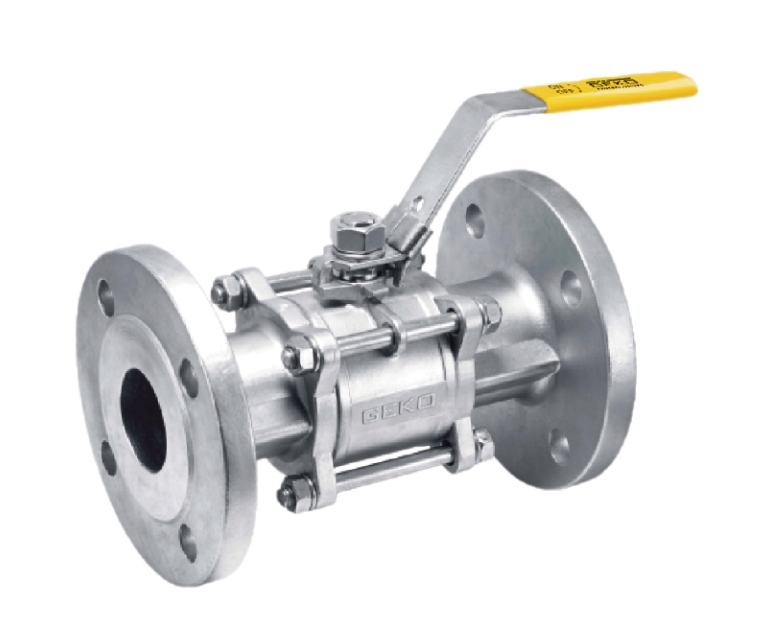
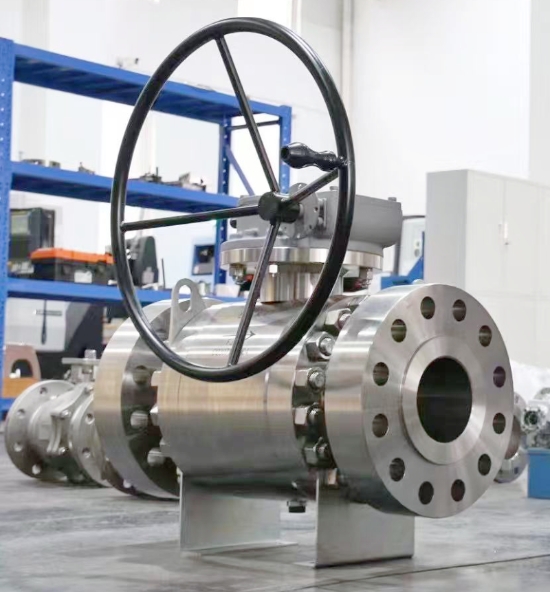
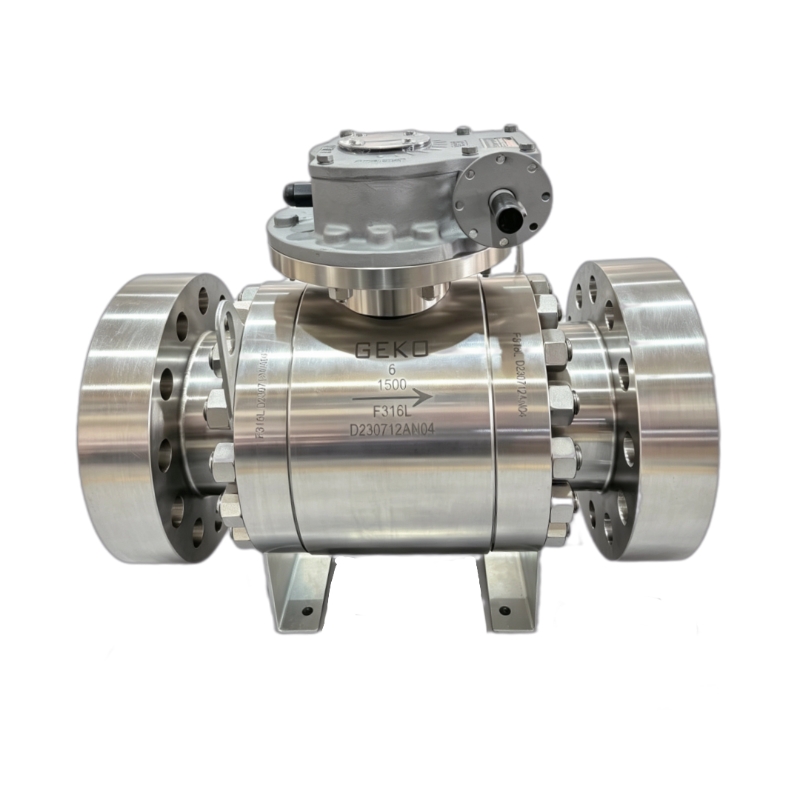
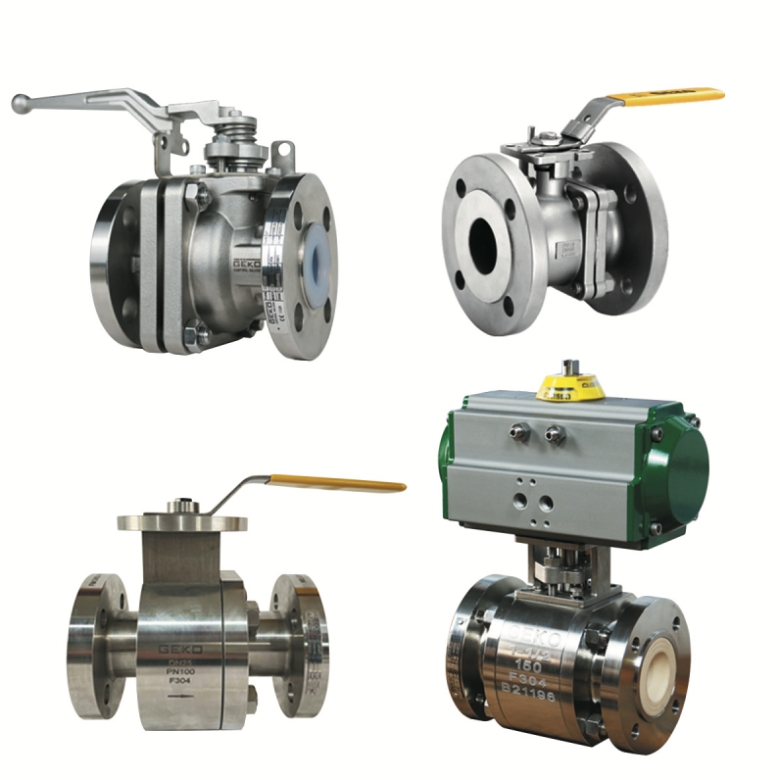
stainless steel ball valve

Home

stainless steel ball valve

  • The Ultimate Guide to Ball Valves and How to Choose Them | GEKO Valve
    The Ultimate Guide to Ball Valves and How to Choose Them | GEKO Valve
    Oct 28, 2026
    The Ultimate Guide to Ball Valves and How to Choose Them | GEKO Valve Ball valves are among the most widely used quarter-turn fluid control devices across industrial piping systems. Known for fast operation, reliable sealing, low maintenance and compact structure, they serve critical isolation and flow regulation tasks in water treatment, oil & gas, chemical processing, power generation and many other sectors. This complete guide covers ball valve basics, common types, key specifications and practical selection rules to help you pick the right ball valve for your working conditions. What Is a Ball Valve? A ball valve uses a hollow, perforated rotating ball inside the valve body to control fluid flow. When the ball’s bore aligns with the pipeline, the valve opens and media passes through. Rotating the ball 90 degrees blocks the passage, shutting off flow. Most standard ball valves are designed for tight shut-off, though special designs support throttling service. GEKO Valve delivers a full lineup of ball valves built to deliver dependable sealing and long service life for industrial projects.   Common Types of Ball Valves Floating Ball Valve – The ball is not fixed by upper and lower trunnions. Fluid pressure pushes the ball against the downstream seat to form a seal. Ideal for medium and low pressure applications, simple structure and cost-effective. Trunnion Mounted Ball Valve – The ball is supported by fixed trunnions at top and bottom. Sealing force does not rely fully on line pressure. Suitable for high pressure, large size and heavy-duty industrial pipelines. Top Entry Ball Valve – Maintenance can be carried out directly on site without removing the whole valve from the pipe. Preferred for critical pipelines where shutdown and disassembly are costly. Side Entry (Split Body) Ball Valve – The body is split into two or more parts for easy assembly. Widely used for general industrial and water service. Full Port vs Reduced Port Ball Valve – Full port ball valves have a bore size matching the pipe inner diameter, minimizing flow resistance and pressure drop. Reduced port ball valves feature a smaller bore, lower cost and compact size for non-critical flow loss scenarios. Lined Ball Valve – Lined with PFA, PTFE or other corrosion-resistant materials, for handling strong acids, alkalis and aggressive chemical media. Key Components of a Ball Valve Valve Body: The main pressure-containing shell; common materials include WCB, A105, 304 stainless steel, 316 stainless steel, duplex steel and alloy steel. Ball: The rotating closure member, available in stainless steel, carbon steel, hard-faced alloy for abrasive service. Seat & Sealing Insert: PTFE, RPTFE, Viton, Devlon, metal seat for high temperature or fire-safe requirements. Stem: Transmits torque from the handle or actuator to the ball; anti-blowout stem design is a standard safety feature on GEKO Valve ball valves. Operator: Manual lever, gearbox, pneumatic actuator, electric motor operator (MOV) for automated control. Main Industrial Applications Oil and gas: wellhead isolation, pipeline transmission, refining and storage terminals Chemical industry: corrosive chemical transfer, batch processing and reactor isolation Water treatment: raw water, clean water, sludge and wastewater pipelines Power plants: cooling water, steam auxiliary systems and compressed air lines Food and beverage: sanitary ball valves for hygienic media Hydrogen and clean energy: low-leakage ball valves for hydrogen storage and transportation How to Choose the Right Ball Valve: Step-by-Step Checklist 1. Confirm Media Properties Identify the fluid: water, oil, gas, acid, alkali, slurry or hydrogen. Corrosive media require stainless steel or lined construction. Slurry service needs hard-faced balls and wear-resistant seats to avoid abrasion damage. The technical team at GEKO Valve can assist with material matching for challenging media. 2. Working Pressure and Temperature Match the valve pressure class (Class 150, 300, 600, 900 etc.) to your maximum operating pressure. Check temperature limits: soft seats work well at moderate temperatures, while metal-seated ball valves handle high temperature and fire-safe service. 3. Valve Size and Flow Requirement Select full port if low pressure drop is essential. Reduced port is acceptable when flow loss is not a concern. Confirm connection ends: flange, threaded, butt weld or socket weld to match your piping. 4. Operation Type Manual lever: simple, low cost, for infrequent operation Gear operated: for large size or high torque valves Pneumatic actuator: fast on/off, suitable for automatic control systems Electric actuator: ideal for remote control and slow switching 5. Sealing and Safety Requirements Soft seats provide bubble-tight shut-off for most general service. Metal-to-metal seats are selected for high temperature, fire-safe, abrasive or high cycling conditions. Fire-safe certification and low-emission stem packing are available for hazardous media. 6. Industry Standards Common standards include API 6D, ASME B16.34, ISO 17292. Confirm whether you need special tests such as fugitive emission test, hydrostatic test and cryogenic test. Advantages and Limitations of Ball Valves Advantages 90-degree quick open and close, easy operation Excellent tight shut-off performance Simple structure, fewer wearing parts, long service life Wide range of material options for different media Limitations Standard soft-seated ball valves are not recommended for continuous heavy throttling High temperature may degrade soft seat materials Trunnion and large-size ball valves come with higher cost Final Selection Tips Never choose a ball valve only by nominal size and pressure rating. Always evaluate media corrosion, temperature cycling, actuation frequency and safety codes. If you work with hazardous or high-value media, prioritize certified low-leakage and fire-safe designs. For long-term reliability, match body, ball and seat materials as a complete set rather than mixing incompatible materials. Reach out to GEKO Valve for technical support when you are unsure about your selection. Conclusion Ball valves are versatile, dependable fluid control components, but proper selection directly determines system safety and service life. This guide walks you through core types, construction, application scenarios and critical selection criteria. When you clarify your media, pressure, temperature, operation mode and standard requirements, you can efficiently narrow down the correct ball valve model for your piping project. Target Keywords GEKO ball valve, trunnion ball valve, floating ball valve, stainless steel ball valve, PTFE seat ball valve, fire safe ball valve, full port ball valve, industrial ball valve, low emission ball valve
    Read More
  • How to Select the Right Ball Valve for Your Application | GEKO Valve
    How to Select the Right Ball Valve for Your Application | GEKO Valve
    Sep 14, 2026
      How to Select the Right Ball Valve for Your Application Selecting the right ball valve is critical to secure long-term pipeline safety, minimize downtime, and avoid unnecessary replacement costs. With countless valve designs, body materials, sealing options and actuation choices available on the market, many plant engineers and procurement teams struggle to match ball valves to unique process requirements. This practical guide walks you through the core factors to evaluate before purchase, helping you pick a suitable ball valve tailored exactly to your application.   1. Define Your Fluid Medium Properties The first step in ball valve selection is analyzing the fluid that flows through the pipeline. Media properties directly decide valve body material, seat material and corrosion protection requirements. Clean non-corrosive media such as water and compressed air: Carbon steel or stainless steel ball valves with polymer seats work perfectly for general isolation service. Corrosive chemicals, acids and alkalis: Choose corrosion-resistant ball valves made from stainless steel, alloy or lined construction to prevent chemical erosion. Abrasive media including slurry, mineral particles: Metal hard-seated ball valves are recommended to resist wear and extend service life. High viscosity or sticky fluids: Special optimized ball cavity design prevents medium buildup and jamming. 2. Confirm Operating Pressure and Temperature Range Every ball valve has a rated pressure-temperature envelope. Never operate a valve beyond its designated rating, or you risk leakage, seat damage or even structural failure. For high-pressure process lines, heavy-duty pressure class ball valves are required. For cryogenic services, specially treated low-temperature ball valves maintain sealing performance under extreme cold. For high-temperature steam or hot oil applications, metal seated ball valves are preferred over soft polymer seats which will degrade under heat.   3. Choose Bore Size and End Connection Type Flow requirement determines whether you need full bore or reduced bore construction. Full bore ball valves deliver unrestricted flow and support pipeline pigging, ideal for high-flow transfer lines. Reduced bore ball valves offer cost savings for standard isolation applications where pressure drop is not a major concern. Common end connections include flanged ends, threaded ends and butt-weld ends. Flanged ball valves simplify on-site installation and maintenance. Butt-weld ball valves provide superior tightness for high-pressure permanent process pipelines, while threaded ball valves suit small-bore low-pressure auxiliary piping.   4. Pick Suitable Sealing and Body Materials Seat material selection balances sealing tightness and working condition adaptability. Soft-seated ball valves deliver bubble-tight shutoff at moderate temperatures, while metal-seated ball valves withstand extreme temperature and abrasive service. Common body materials include A105 carbon steel, 304 stainless steel and 316 stainless steel. Special alloy options are available for severe corrosive or high-temperature applications.   5. Select Manual or Automated Actuation Consider operation frequency and control method for your site. Manual ball valves with lever or gear handles are economical for infrequent on-site operation. For automated process plants, pneumatic ball valves and electric ball valves enable remote on-off or modulating control. Pneumatic actuators are widely used in explosion-risk environments, while electric actuators are convenient for unmanned stations without compressed air supply. 6. Review Industry Standards and Certification Always verify relevant industry standards before finalizing your valve specification. API, ASME and ISO certified ball valves follow strict manufacturing and test protocols, ensuring consistent quality for oil & gas, chemical and power projects. For special industries such as water or fire protection, check if additional approvals are mandatory. 7. Avoid Common Ball Valve Selection Pitfalls Selecting valve only by nominal size without checking pressure-temperature rating Using soft seats in high-temperature or abrasive slurry applications Ignoring medium corrosion and choosing incompatible body material Mismatched end connection leading to assembly trouble on site Under-sizing actuator torque, causing valve failing to open or close GEKO Valve Custom Ball Valve Solutions GEKO Valve supplies custom and standard ball valves to match diverse application requirements. Our engineering team reviews your medium, temperature, pressure and control needs to recommend the most cost-effective ball valve solution. All valves undergo factory pressure testing to guarantee reliable performance for your industrial piping systems. 9 Core SEO Keywords: Cryogenic Ball Valve, Butt Weld Ball Valve, Flanged Ball Valve, Lined Ball Valve, Modulating Ball Valve, Severe Service Ball Valve, Stainless Steel Ball Valve, Carbon Steel Ball Valve, Pipeline Isolation Valve
    Read More
  • Key Factors When Purchasing Ball Valves for Piping Systems | GEKO Valve
    Key Factors When Purchasing Ball Valves for Piping Systems | GEKO Valve
    Aug 02, 2026
    Ball valves are widely deployed shut-off components in industrial piping systems for petrochemicals, power stations, water treatment, natural gas and heating networks. Many buyers only compare price and nominal size during procurement, ignoring critical technical indicators. Improper ball valve selection often results in seal failure, medium leakage, frequent maintenance and unplanned pipeline shutdown, bringing extra long-term operational losses. This article outlines all key factors when purchasing ball valves for piping systems to help procurement engineers and project designers make cost-effective, reliable purchasing decisions.     1. Clarify Actual Working Conditions of Piping Systems Working parameters are the primary baseline before purchasing ball valves. All configurations must match on-site service conditions. Medium: clean water, steam, fuel oil, natural gas, corrosive chemicals, or slurry containing solid particles. Medium characteristics determine valve body and seat material. Operating temperature: low temperature, ambient temperature or high-temperature service Working pressure: nominal pressure, maximum pressure surge and required shut-off pressure Function requirement: simple on/off cut-off or continuous flow regulation Flow capacity: select full port or reduced port ball valve according to flow demand     2. Select Proper Ball Valve Structure Type Different structural ball valves apply to distinct piping scenarios. Floating Ball Valve: Simple construction, cost competitive, suitable for medium & low pressure small and medium-diameter pipelines. Trunnion Mounted Ball Valve: Fixed ball design lowers operating torque, performs excellently under high pressure and large diameter pipelines, widely used for long-distance gas transportation and heavy industrial process pipelines. 3-Piece Ball Valve: Modular split body. Operators can complete inline maintenance without removing the whole valve from pipelines, ideal for systems requiring regular inspection. Top Entry Ball Valve: Maintenance accessible from valve top without flange disconnection, preferred for buried pipelines and gas stations.     3. Confirm Valve Body & Trim Material Compatibility Material incompatibility is one of the top causes of premature ball valve damage. WCB Carbon Steel: General oil, high-temperature steam and non-corrosive medium, common in power plant auxiliary pipelines. SS304 / SS316 Stainless Steel: Water, weak acid and alkaline chemical fluid. Duplex Stainless Steel: Seawater, brine and strong corrosive environments. Alloy Steel: High temperature, high pressure and hydrogen process working conditions.     4. Choose Suitable Seat Sealing Type Seat design directly affects tight shut-off performance and service life. Soft seat (PTFE, RPTFE, PEEK): Good sealing performance, chemical resistance, fit clean medium below 200℃. Metal-to-metal hard seat: High temperature resistance, abrasion resistance, applicable for steam, high-speed fluid and medium with particle impurities.   5. Determine Pipeline Connection Form Select end connection based on installation standard, pressure level and maintenance frequency: Flanged connection: Easy disassembly, stable sealing, widely used for large-size industrial piping Threaded connection: Mainly small-size valves for low-pressure auxiliary pipelines Butt-weld & socket weld connection: Excellent tightness, suitable for high pressure, high temperature and flammable hazardous media     6. Select Actuator Type Match actuators according to automatic control requirements of piping systems: Manual ball valve (handle / gear operator): For pipelines with infrequent switching Pneumatic ball valve: Fast action, optional explosion-proof structure, mainstream choice for automated production lines Electric ball valve: Suitable for sites without compressed air, easy for remote PLC control Hydraulic actuator: For large diameter high-torque ball valves   7. Check Essential Safety Auxiliary Configurations For hazardous medium pipelines, standard safety accessories cannot be omitted: Fire safe structure Anti-static device Blow-out proof stem Open/close locking device     8. Balance Initial Cost and Long-term Service Performance Many purchasers tend to prioritize low purchase prices. Low-cost ball valves often adopt inferior raw materials and rough processing. Although the upfront investment is low, frequent part replacement, leakage handling and production shutdown will raise overall costs significantly. It is recommended to evaluate service life, maintenance cycle, spare parts availability and manufacturer after-sales support comprehensively.   9. Verify Supplier Qualification & Certification Standard certifications guarantee product quality for industrial piping projects: Common required certificates: API 6D, ISO, CE, fire safe certification. Confirm whether the manufacturer can provide material test reports (MTR), inspection documents and on-site technical support.   Conclusion Purchasing ball valves for piping systems involves systematic evaluation of working conditions, valve structure, materials, sealing, connection modes, actuators and safety designs instead of simply comparing prices and sizes. GEKO Valve supplies a complete series of floating ball valves, trunnion mounted ball valves, three-piece ball valves and top entry ball valves with diversified material options. We provide technical support for piping system projects across power, petrochemical, water treatment and gas industries. Reach out to our engineering team for professional ball valve procurement consultation.
    Read More
  • How to Choose the Right Ball Valve for Industrial Applications | GEKO Valve
    How to Choose the Right Ball Valve for Industrial Applications | GEKO Valve
    Aug 02, 2026
    Ball valves are one of the most widely adopted shut-off and control valves across modern industrial systems. Featuring a spherical closure member with a straight-through flow path, ball valves deliver fast quarter-turn operation, low flow resistance, reliable tight shut-off and simple maintenance. However, with dozens of design types, body materials, pressure classes and sealing solutions available, many engineers struggle to select a suitable ball valve matching specific process media, operating conditions and project budget. This guide breaks down all critical factors on how to choose the right ball valve for industrial applications to avoid premature failure, unplanned shutdowns and excessive operational costs.     1. Confirm Working Condition Parameters The first step of ball valve selection is clarifying core operating data, which lays the foundation for all subsequent configuration decisions. Working Medium: Water, natural gas, steam, oil, chemical solvent, slurry, corrosive fluid or cryogenic medium. Medium properties determine valve body, trim and seat material. Operating Pressure: Nominal pressure, maximum shut-off pressure and possible pressure surge. Select corresponding pressure class (Class150, Class300, Class600, PN16, PN25, PN40 etc.). Operating Temperature: Low temperature, normal temperature, medium or high temperature. Temperature directly limits the usable sealing material. Flow Requirements: Only full shut-off service, or partial flow modulation. Standard ball valves are optimized for on/off service; segmented V-port ball valves are recommended for flow regulation. Flow Rate & Pipe Size: Match valve bore size with pipeline diameter; choose full port or reduced port design accordingly.     2. Select Ball Valve Body Design Style Industrial ball valves are divided into multiple structural designs for different scenarios: Floating Ball Valve The ball is supported solely by two seats. Simple structure, cost-effective. Best for low and medium pressure pipelines. Widely used in water treatment, heating systems and general chemical pipelines. Trunnion Mounted Ball Valve Fixed ball supported by upper and lower trunnion shafts. Lower seat friction, excellent performance under high pressure and large diameter conditions. Ideal for natural gas transmission, petrochemical and power plant piping. 3-Piece Ball Valve Modular three-piece body structure. Easy inline maintenance without removing the whole valve from pipelines. Preferred for systems requiring frequent overhaul, such as food processing and fine chemical plants. Top Entry Ball Valve Maintenance can be completed from the top of valve without disconnecting flanges, widely used for underground pipeline and natural gas station applications.   3. Body & Trim Material Selection Material compatibility with process media is critical to prevent corrosion, erosion and leakage. WCB Carbon Steel: Suitable for high-temperature steam, general oil and non-corrosive industrial water; widely used in power and thermal industries. SS304 / SS316 Stainless Steel: For water, weak acid, alkaline and common chemical media. Alloy steel: For high temperature, high pressure and hydrogen-containing working conditions. Duplex stainless steel: For seawater, brine and strong corrosive environments.     4. Seat & Seal Material Sealing material determines tightness and service temperature range: PTFE / RPTFE: Excellent chemical resistance, for medium below 200°C, general industrial clean medium. Nylon, Peek: Higher wear resistance, suitable for media containing tiny solid particles. Metal to Metal Seat: For high temperature, high pressure, high-speed fluid and steam service, capable of achieving metal hard seal tight shut-off.   5. End Connection Type Select connection method based on installation, maintenance and pressure grade: Flanged connection: Convenient disassembly, stable sealing; common for large size and high pressure industrial pipelines. Threaded connection: Mainly small-size valves for low-pressure auxiliary pipelines. Butt-weld / Socket weld connection: Perfect for high pressure, high temperature and hazardous media, zero leakage risk.   6. Actuator Selection Manual operation or automatic control depends on system design: Manual ball valve (handle/gear operator): Simple, low cost, used for occasional switch operation. Pneumatic ball valve: Fast switching, explosion-proof optional, the most popular choice for automatic industrial processes. Electric ball valve: Suitable for sites without compressed air, convenient for remote PLC signal control. Hydraulic actuator: For ultra-large diameter and high torque heavy-duty ball valves.   7. Key Application Scenario Reference Power plant auxiliary pipeline: Trunnion mounted carbon steel ball valve, flange connection, metal seat option for high-temperature medium Water treatment industry: Floating stainless steel ball valve, PTFE soft seat Natural gas transmission pipeline: Trunnion ball valve with anti-static and fire safe design Chemical corrosive medium: SS316 or duplex steel ball valve with corrosion-resistant soft seats Food & beverage industry: Sanitary stainless steel ball valve with clamp connection   8. Important Additional Safety Features For hazardous industrial working conditions, extra configurations should be considered: Fire safe design: Prevent large-scale leakage in case seal melts during fire accident Anti-static device: Discharge static electricity, avoid explosion risk for flammable medium Blow-out proof stem: Prevent stem ejection under internal pressure Locking device: Lock open / lock close position to avoid misoperation   Conclusion Choosing the right industrial ball valve is not simply matching pipe size and pressure rating. Engineers need to comprehensively evaluate working medium, temperature, pressure, structural design, materials, connection methods and actuation modes. Improper selection will lead to internal leakage, operation jamming, rapid seal aging and frequent maintenance. GEKO provides a full range of floating ball valves, trunnion mounted ball valves, three-piece ball valves with diversified material configurations to meet customized demands of power plants, petrochemical, water treatment, heating and natural gas industries. Contact our technical team for professional ball valve selection support for your industrial projects.
    Read More

leave a message

leave a message
If you are interested in our products and want to know more details,please leave a message here,we will reply you as soon as we can.
submit

home

products

contact