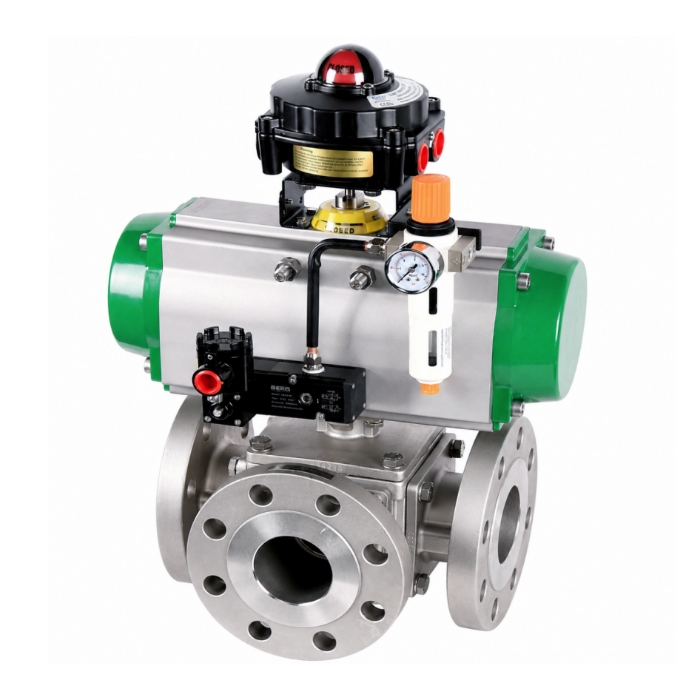
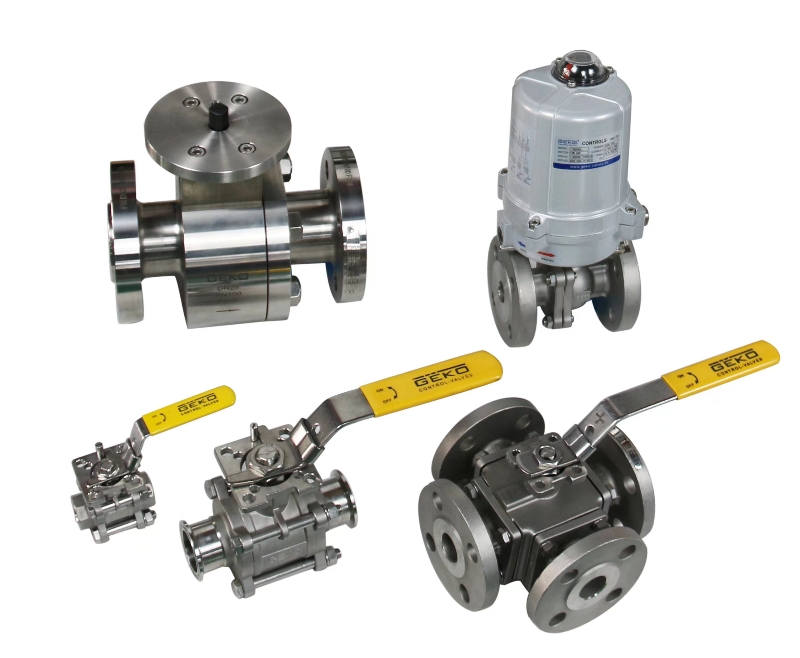
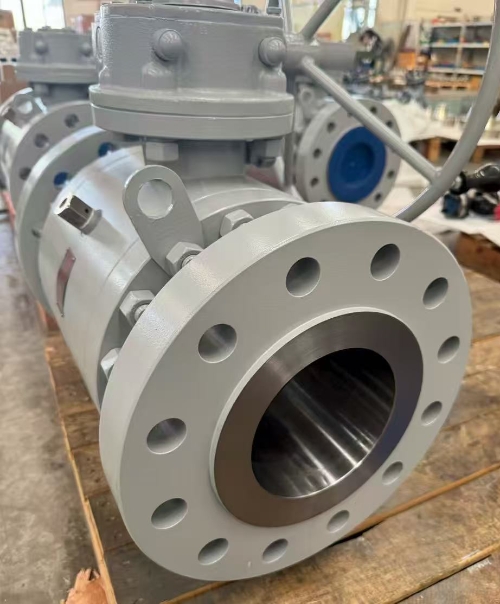
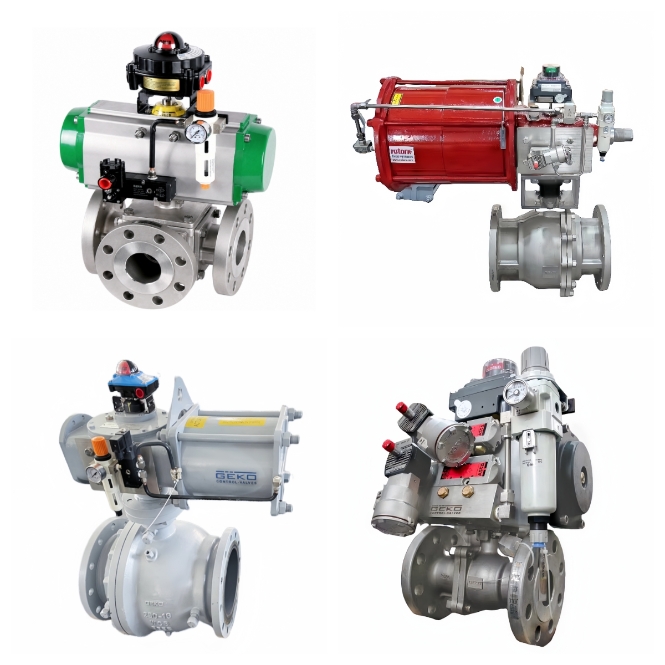
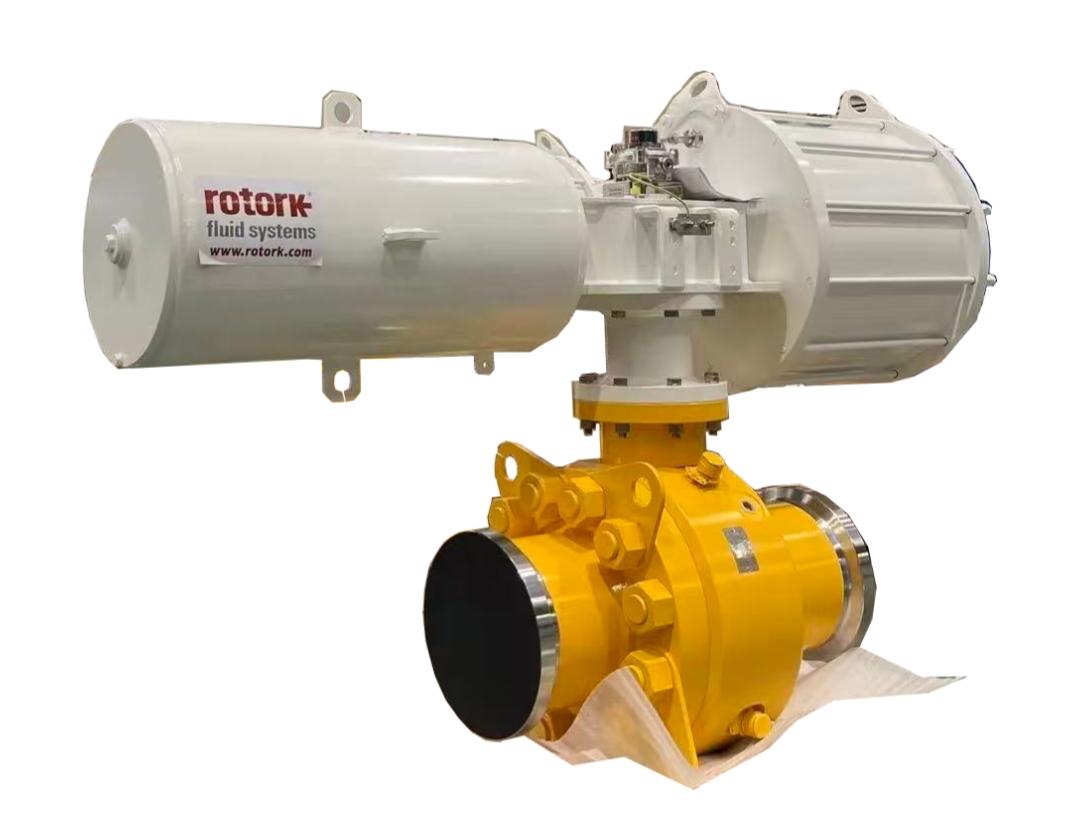
Pneumatic Actuated Ball Valve

Home

Pneumatic Actuated Ball Valve

  • Ball Valve Selection Made Easy: Types, Applications, and Tips | GEKO Valve
    Ball Valve Selection Made Easy: Types, Applications, and Tips | GEKO Valve
    Sep 13, 2026
      Ball Valve Selection Made Easy: Types, Applications, and Tips Ball valves are the most versatile fluid control devices in modern industrial piping systems. Known for their quarter‑turn fast operation, bubble‑tight shutoff, compact structure, and long service life, ball valves are widely used to isolate or regulate gas, liquid, and slurry media across various industries. However, due to multiple valve structures, sealing types, bore sizes, and actuation options, many engineers and purchasers face confusion during selection. This article simplifies ball valve selection by clarifying common ball valve types, typical industrial applications, and practical selection tips to help you choose the correct industrial ball valve for your working conditions.   1. Common Types of Industrial Ball Valves Understanding ball valve classification is the foundation of correct selection. Industrial ball valves are mainly divided by structure, bore design, sealing method, and operation type. 1.1 Floating Ball Valve vs Trunnion Mounted Ball Valve Floating ball valves feature a free‑floating ball that relies on medium pressure to achieve sealing. With a simple structure and cost‑effective advantages, floating ball valves are ideal for small‑size, low‑pressure and medium‑pressure pipelines. They are widely used for general isolation and flow control in water treatment, HVAC, and light chemical systems.     Trunnion mounted ball valves adopt fixed upper and lower trunnions to lock the ball in place. This structural design greatly reduces operating torque and seat wear, allowing stable operation under large size, high pressure, and frequent cycling conditions. Trunnion ball valves are the preferred solution for heavy‑duty oil & gas pipelines, petrochemical process lines, and long‑distance transmission systems.   1.2 Full Port Ball Valve vs Reduced Port Ball Valve Full port ball valves have a straight bore identical to the pipe inner diameter, providing minimal pressure drop and allowing pipeline pigging. They are suitable for high‑flow pipelines and systems that require low flow resistance and easy pipeline maintenance. Reduced port ball valves have a smaller streamlined bore. They are lighter and more economical while meeting normal isolation requirements. Reduced port ball valves are widely used for general industrial pipelines where ultra‑low pressure drop and pigging are not required.   1.3 Soft Seated vs Metal Seated Ball Valve Soft seated ball valves use PTFE or other polymer materials for sealing, achieving bubble‑tight zero leakage at normal temperatures. They perform well in clean water, gas, and non‑abrasive chemical media and feature low operating torque and reliable sealing. Metal seated ball valves adopt metal‑to‑metal hard sealing with hardened or alloy‑coated seat surfaces. With high temperature resistance, high pressure resistance, and abrasion resistance, metal seated ball valves can handle abrasive slurry, thermal cycling, and corrosive media that soft seals cannot withstand. 1.4 Manual and Actuated Ball Valves Manual ball valves are suitable for low‑frequency operation and simple pipeline control. For automated industrial systems, pneumatic actuated ball valves and electric actuated ball valves are mainstream choices. Pneumatic ball valves offer fast switching and explosion‑proof performance, while electric ball valves support remote control and precise flow regulation for intelligent pipeline systems. 2. Industrial Applications of Ball Valves Different ball valve types correspond to specific industry scenarios. Matching valves based on process media, temperature, pressure, and operation frequency ensures stable long‑term performance. Water Treatment & HVAC: Soft seated floating ball valves and reduced port ball valves are commonly used for water supply, drainage, and air conditioning circulation pipelines. Chemical & Petrochemical Industry: Metal seated ball valves and anti‑corrosion ball valves are applied for corrosive, high‑temperature, and abrasive process media. Oil & Gas Transmission: Trunnion mounted ball valves and full port ball valves ensure safe isolation, low pressure loss, and convenient pipeline pigging. Power & Thermal Energy: High‑temperature resistant metal seated ball valves adapt to steam, thermal cycling, and high‑pressure working conditions. Automated Process Industry: Pneumatic and electric actuated ball valves realize automatic switching, remote monitoring, and intelligent flow control. 3. Practical Ball Valve Selection Tips Follow these simple and professional tips to avoid selection errors and improve pipeline system stability: Match structure with pressure and size: Choose floating ball valves for small low‑pressure pipelines and trunnion mounted ball valves for large high‑pressure service. Select sealing type by medium: Use soft seats for clean normal‑temperature media and metal seats for high‑temperature, abrasive, and corrosive media. Choose bore type according to flow demand: Select full port ball valves for low pressure drop and pigging requirements; use reduced port ball valves for cost‑effective general isolation. Select actuation mode reasonably: Use pneumatic actuators for explosion‑proof environments and electric actuators for remote intelligent control. Verify temperature and pressure rating: Always confirm valve class and material adaptability to extreme working conditions to prevent leakage and deformation. 4. Why Choose GEKO Valve Ball Valves GEKO Valve provides a full range of high‑performance industrial ball valves, including floating ball valves, trunnion mounted ball valves, full port and reduced port ball valves, soft seated and metal seated ball valves, as well as customized pneumatic and electric actuated ball valve packages. All valves are manufactured according to international standards, delivering stable sealing performance, low maintenance, and long service life for global industrial piping systems. 9 Core SEO Keywords: Floating Ball Valve, Trunnion Mounted Ball Valve, Full Port Ball Valve, Reduced Port Ball Valve, Metal Seated Ball Valve, Soft Seated Ball Valve, Pneumatic Actuated Ball Valve, Electric Actuated Ball Valve, Industrial Pipeline Ball Valve
    Read More
  • Mastering Ball Valves: A Comprehensive Selection Guide | GEKO Valve
    Mastering Ball Valves: A Comprehensive Selection Guide | GEKO Valve
    Sep 07, 2026
    Mastering Ball Valves: A Comprehensive Selection Guide Ball valves are foundational fluid control components in modern industrial piping systems, trusted for their exceptional sealing performance, fast quarter‑turn operation, compact structure, and long operational lifespan. From general commercial piping to heavy‑duty oil and gas, petrochemical, and power generation facilities, industrial ball valves deliver reliable isolation and flow regulation for countless process conditions. Mastering professional ball valve selection is critical to eliminate pipeline leakage, reduce pressure loss, avoid equipment jamming, and minimize long‑term maintenance costs. This comprehensive guide fully elaborates on ball valve classifications, core performance characteristics, industry‑specific applications, and authoritative selection standards to help engineers and buyers master accurate valve matching for all working scenarios. 1. Complete Classification of Industrial Ball Valves Industrial ball valves are classified by structural mechanism, bore specification, sealing configuration, and driving mode. Each category features unique performance advantages and exclusive applicable working conditions: 1.1 Structural Classification: Floating vs Trunnion Mounted Ball Valve Floating ball valves adopt a free‑floating ball design with a simple, compact structure and cost‑effective advantages. The ball moves slightly under medium pressure and tightly presses against the downstream sealing seat to achieve bubble‑tight shutoff. This structure is ideal for small‑size, low to medium‑pressure conventional pipelines, widely used for general isolation and conventional flow control in water treatment, HVAC, and light chemical systems. Trunnion mounted ball valves feature dual upper and lower trunnion fixed support, completely locking the ball in place. This design transfers medium pressure load to the trunnion shaft instead of the sealing seat, effectively reducing operating torque and seat wear. It is the preferred heavy‑duty solution for large‑size, high‑pressure, high‑cycle industrial pipelines, dominating long‑distance oil and gas transmission, petrochemical refining, and heavy industrial process systems. 1.2 Bore Classification: Full Port vs Reduced Port Ball Valve Full port ball valves are designed with a straight through bore matching the pipe inner diameter, achieving nearly zero flow resistance and minimal industrial ball valve pressure drop. They fully support pipeline pigging and cleaning operations, making them essential for high‑flow transmission pipelines, process main lines, and systems with strict energy‑saving and low‑loss requirements. Reduced port ball valves adopt a streamlined reduced bore structure, featuring lighter weight, smaller volume, and lower manufacturing costs. Although the flow passage is slightly smaller, it fully meets conventional isolation and flow control demands. It is the most cost‑effective choice for ordinary industrial pipelines without pigging and ultra‑low pressure drop requirements. 1.3 Sealing Classification: Metal Seated vs Soft Seated Ball Valve Soft seated ball valves utilize high‑performance PTFE and polymer composite sealing materials, achieving absolute zero leakage under normal temperature and clean medium conditions. With low friction and flexible switching performance, they are suitable for clean water, compressed air, natural gas, and non‑abrasive chemical media, ensuring stable and reliable daily operation. Metal seated ball valves adopt hard alloy surfacing on sealing surfaces, possessing excellent high‑temperature resistance, high‑pressure resistance, and abrasion resistance. They can stably adapt to harsh working conditions such as high‑temperature thermal cycling, abrasive slurry, and corrosive media, completely solving the problems of soft seal aging, deformation, and failure in severe industrial environments. 1.4 Driving Classification: Manual vs Actuated Ball Valve Manual ball valves are equipped with handles or gear operators, suitable for low‑frequency manual operation scenarios with low cost and simple maintenance. For modern automated industrial systems,pneumatic actuated ball valves and electric actuated ball valves are mainstream configurations. Pneumatic ball valves provide fast switching speed and excellent explosion‑proof performance, adapting to flammable and hazardous working environments. Electric ball valves support precise flow modulation and remote signal linkage, perfectly matching PLC, SCADA, and intelligent pipeline control systems. 2. Core Performance Parameters for Professional Selection Accurate ball valve selection relies on standardized parameter verification rather than simple size matching. Core parameters that determine valve applicability include: - Flow Capacity (Cv Value): Professional ball valve Cv calculation ensures the valve’s flow capacity matches system flow demand, avoiding flow bottlenecks and excessive pipeline pressure loss. - Pressure & Temperature Rating: Match valve pressure class and temperature resistance grade according to maximum working pressure and extreme medium temperature to prevent seal failure and valve deformation. - Actuator Torque Matching: Scientifically calculate ball valve actuator torque based on actual pressure difference to ensure sufficient switching power and avoid jamming or incomplete valve opening/closing. - Medium Compatibility: Select sealing and body materials according to medium corrosion, abrasion, and viscosity to achieve long‑term stable operation. 3. Industry‑Specific Application Matching Rules Different industries have distinct process characteristics, requiring targeted ball valve configuration schemes: - Water Treatment & HVAC Systems: Adopt soft seated floating ball valves and reduced port ball valves, balancing cost, sealing stability, and low maintenance performance. - Oil & Gas Transmission: Prioritize full port trunnion mounted ball valves to meet high‑flow, low‑loss, and pipeline pigging maintenance requirements. - Petrochemical & Chemical Industry: Deploymetal seated ball valves and anti‑corrosion ball valves for high‑temperature, corrosive, and abrasive process media. - Thermal Power & Metallurgy: Use high‑temperature and wear‑resistant metal seated ball valves to adapt to steam, high‑temperature flue gas, and slag media. - Intelligent Manufacturing Industry: Equip pneumatic and electric actuated ball valves to realize automatic control, remote monitoring, and intelligent pipeline management. 4. Advanced Selection Tips to Avoid Operational Risks To master ball valve selection thoroughly, it is necessary to avoid conventional misunderstandings and form standardized selection logic: - Never select valves only by nominal pipe size; always verify Cv flow coefficient to prevent insufficient flow capacity and excessive industrial ball valve pressure drop. - Distinguish application boundaries of floating and trunnion structures: floating ball valves for small low‑pressure pipelines, trunnion mounted ball valves for large high‑pressure heavy‑duty systems. - Strictly separate soft and metal sealing scenarios: soft seals for clean normal‑temperature media, metal seals for high‑temperature, abrasive, and harsh corrosive media. - Reserve sufficient safety margin for actuator torque under high‑pressure differential conditions to eliminate switching failure risks. - Choose full port valves for pipelines requiring pigging cleaning to ensure smooth later maintenance. 5. GEKO Valve Professional Ball Valve Solutions As a professional industrial valve manufacturer, GEKO Valve provides a full lineup of high‑performance ball valves, covering floating ball valve, trunnion mounted ball valve, full port & reduced port ball valve,metal seated ball valve, and customized actuated ball valve packages. We provide one‑stop professional services including ball valve Cv calculation and actuator torque verification, effectively controlling system pressure loss and ensuring stable and efficient operation of valves in complex industrial working conditions. All products comply with international industry standards, serving global industrial piping projects with high quality, low failure rate, and long service life. Core SEO Keywords: Trunnion Mounted Ball Valve, Floating Ball Valve, Metal Seated Ball Valve, Full Port Ball Valve, Reduced Port Ball Valve, Pneumatic Actuated Ball Valve, Electric Actuated Ball Valve, Industrial Ball Valve, High Pressure Ball Valve
    Read More
  • Ball Valve Selection Made Easy: Types, Applications, and Tips | GEKO Valve
    Ball Valve Selection Made Easy: Types, Applications, and Tips | GEKO Valve
    Sep 07, 2026
    Ball Valve Selection Made Easy: Types, Applications, and Tips Ball valves are the most versatile and widely used fluid control components in industrial piping systems. Known for their quarter‑turn fast operation, bubble‑tight shutoff, compact structure, and long service life, they replace traditional gate and globe valves in most process pipelines. However, with dozens of ball valve types and diverse working conditions, many engineers struggle with improper model selection, which leads to leakage, high pressure loss, actuator jamming, or short service life. This guide simplifies industrial ball valve selection by sorting core classifications, matching industry applications, and summarizing practical selection tips for beginners and professional procurement teams. 1. Common Types of Industrial Ball Valves Ball valves can be categorized by structural design, bore size, sealing method, and actuation mode. Each type has fixed applicable scenarios and performance limits: 1.1 Floating Ball Valve & Trunnion Mounted Ball Valve Floating ball valves feature a free movable ball structure with simple construction and cost advantages. The ball floats under medium pressure and presses tightly against the downstream seat to achieve sealing. This type is perfect for small‑size, low‑pressure and medium‑pressure conventional pipelines for general isolation and flow control. Trunnion mounted ball valves adopt upper and lower trunnion fixed support structures. The ball is locked in position, which greatly reduces operating torque and seat friction. It effectively adapts to large‑size, high‑pressure, and high‑frequency cycling working conditions, serving as the mainstream heavy‑duty pipeline ball valve for oil and gas, petrochemical, and long‑distance transmission systems. 1.2 Full Port Ball Valve & Reduced Port Ball Valve Full port ball valves have an inner bore consistent with the pipe diameter, delivering almost zero flow resistance and ultra‑low industrial ball valve pressure drop. They support pipeline pigging cleaning and are widely used in high‑flow transmission pipelines and systems requiring minimal energy loss. Reduced port ball valves adopt a smaller streamlined bore. With lighter weight and lower manufacturing cost, they meet daily isolation requirements for most conventional pipelines and help enterprises save project investment without strict low‑pressure‑drop demands. 1.3 Metal Seated Ball Valve & Soft Seated Ball Valve Soft seated ball valves use PTFE or polymer soft sealing materials to realize bubble‑tight zero leakage at room temperature. They are suitable for clean water, air, gas, and non‑abrasive conventional chemical media, with excellent sealing stability and low operating torque. Metal seated ball valves adopt hard alloy surfacing sealing surfaces, featuring high temperature resistance, high pressure resistance, and abrasion resistance. They can withstand abrasive slurry, thermal cycling, and high‑temperature corrosive media, solving the aging and failure problems of soft seals in harsh industrial environments. 1.4 Manual & Actuated Ball Valves According to operation modes, ball valves are divided into manual and automated types. Manual ball valves are simple and cost‑effective for low‑frequency operation pipelines. For intelligent industrial systems, pneumatic actuated ball valves and electric actuated ball valves are the mainstream choices. Pneumatic ball valves offer fast switching and explosion‑proof performance for dangerous working conditions, while electric ball valves support remote control and precise flow regulation, matching PLC and SCADA system linkage.   2. Typical Industrial Applications for Ball Valves Different ball valve types correspond to exclusive industrial scenarios. Matching valves based on industry characteristics is the core of correct selection: - Water Treatment & HVAC: Soft seated floating ball valves and reduced port ball valves are preferred for water supply, drainage, and central air conditioning circulation pipelines, pursuing cost‑effectiveness and stable sealing. - Chemical & Petrochemical Industry: Corrosive media and high‑temperature processes require metal seated ball valves and anti‑corrosion lined ball valves; high‑pressure transmission pipelines adopt trunnion mounted ball valves. - Oil & Gas Pipeline: Full port ball valves and heavy‑duty trunnion ball valves are widely used to ensure unobstructed medium transmission and support pipeline pigging maintenance. - Power & Metallurgy: High‑temperature steam, slag, and abrasive media require wear‑resistant metal seated ball valves to resist harsh working conditions and extend service life. - Intelligent Automated Factory: Pneumatic and electric actuated ball valves realize automatic switching and remote monitoring, suitable for batch and continuous production pipeline systems. 3. Practical Ball Valve Selection Tips (Beginner‑Friendly) Simplify the selection process with these core rules to avoid most engineering mistakes: - Confirm working conditions first: Clarify medium type, temperature, pressure, and operating frequency. High temperature and abrasion choose metal seats; clean normal temperature media choose soft seats. - Select structure by pressure and size: Small size and low pressure use floating ball structure; large size and high pressure must choose trunnion mounted ball valve. - Match bore type by flow demand: High flow rate, low pressure drop and pigging requirements choose full port ball valve; general isolation chooses reduced port to save cost. - Reasonably configure actuation mode: Explosion‑proof hazardous environments prioritize pneumatic actuation; remote intelligent control scenarios choose electric actuation. - Verify flow capacity and torque: Complete accurate ball valve Cv calculation and ball valve actuator torque matching to prevent jamming, incomplete switching or flow insufficiency. 4. How to Avoid Common Selection Failures Most valve failures are caused by incorrect selection rather than product quality problems. Avoid these typical errors: Do not only select models by pipe nominal size; insufficient Cv value will cause system flow bottlenecks and excessive industrial ball valve pressure drop. Do not use soft seated ball valves for high‑temperature abrasive media, which will lead to rapid seal aging and leakage. Do not equip small‑torque actuators for high‑pressure differential pipelines, resulting in unsmooth valve operation. For long‑distance transmission and frequent maintenance pipelines, avoid reduced port ball valves that cannot support pigging cleaning. 5. GEKO Valve Reliable Ball Valve Solutions GEKO Valve provides a full range of standardized and customized industrial ball valves, covering floating ball valve, trunnion mounted ball valve, full port & reduced port ball valve, metal seated ball valve, and pneumatic/electric actuated ball valve packages. We support professional ball valve Cv calculation and actuator torque matching services, strictly controlling pipeline pressure loss and ensuring stable valve operation for various complex working conditions. Our products serve global water treatment, chemical, oil & gas, power, and automated industrial projects with stable quality and low maintenance costs. Core SEO Keywords: Trunnion Mounted Ball Valve, Floating Ball Valve, Metal Seated Ball Valve, Full Port Ball Valve, Reduced Port Ball Valve, Pneumatic Actuated Ball Valve, Electric Actuated Ball Valve, Industrial Pipeline Ball Valve, High Pressure Ball Valve
    Read More
  • The Ultimate Guide to Ball Valves and How to Choose Them | GEKO Valve
    The Ultimate Guide to Ball Valves and How to Choose Them | GEKO Valve
    Sep 07, 2026
    The Ultimate Guide to Ball Valves and How to Choose Them Ball valves are the most widely used quarter-turn flow control devices in modern industrial piping systems, renowned for their bubble-tight shutoff, fast 90° operation, compact structure, and excellent long-term durability. From general water treatment and HVAC systems to high-pressure oil & gas pipelines, chemical processing, and thermal power plants, ball valves deliver reliable isolation and flow regulation for diverse working conditions. However, many engineers and procurement teams face frequent selection errors due to unclear distinctions between valve structures, sealing types, and actuation modes. This ultimate guide breaks down core ball valve classifications, working principles, key performance parameters, and step-by-step selection rules to help you pick the perfect industrial ball valve for your project. 1. What Is a Ball Valve? Core Working Principle A ball valve controls fluid flow by rotating a hollow, perforated spherical ball inside the valve body. When the ball’s bore aligns with the pipeline, the valve opens for full fluid passage; when rotated 90 degrees, the solid ball surface blocks the flow completely. Compared with gate valves and globe valves, ball valves feature simpler operation, lower industrial ball valve pressure drop, and better adaptability for automated control. With accurate ball valve Cv calculation, engineers can precisely match flow capacity to system requirements, avoiding flow bottlenecks and energy waste.   2. Main Types of Ball Valves (Core Structural Classification) Industrial ball valves are mainly categorized by ball support structure, bore design, sealing mode, and body configuration, covering all mainstream engineering models: 2.1 Floating Ball Valve vs Trunnion Mounted Ball Valve The biggest structural difference in industrial ball valves lies in ball fixation modes. A floating ball valve has an unanchored ball that floats freely under fluid pressure, pressing tightly against the downstream seat to achieve sealing. It features a simple structure, cost-effective price, and is ideal for small-size, low-to-medium pressure conventional pipelines. A trunnion mounted ball valve adopts upper and lower trunnion shafts to fix the ball, transferring fluid pressure load to the trunnion structure instead of the sealing seat. This design greatly reduces ball valve actuator torque, minimizes seat wear, and is the preferred solution for large-size, high-pressure, and high-cycle working conditions, widely applied in heavy-duty pipeline ball valve systems. 2.2 Full Port Ball Valve vs Reduced Port Ball Valve Bore size directly determines flow performance and pipeline applicability. A full port ball valve has an inner bore consistent with the pipe diameter, delivering ultra-low industrial ball valve pressure drop and supporting pipeline pigging cleaning, perfect for high-flow transfer lines and pipeline maintenance scenarios. A reduced port ball valve features a smaller inner bore, with lighter weight and lower manufacturing cost. It suits conventional isolation scenarios with no strict pressure drop requirements and no pigging demand, effectively saving project investment costs. 2.3 Metal Seated Ball Valve vs Soft Seated Ball Valve Sealing material determines the valve’s temperature, pressure, and media adaptability. Soft seated ball valves use PTFE or RTFE materials for bubble-tight zero leakage, suitable for clean, normal-temperature water, gas, and conventional chemical media. A metal seated ball valve adopts hard alloy surfacing sealing surfaces, resisting high temperature, high pressure, abrasive slurry, and frequent thermal cycling. It solves the failure problem of soft seal aging and deformation under harsh working conditions and is widely used in petrochemical, coking, and high-temperature industrial systems. 2.4 Actuated Ball Valve: Pneumatic & Electric Configurations For automated industrial systems, manual ball valves are upgraded to actuated ball valve packages, including two mainstream types: pneumatic ball valve (also named pneumatic actuated ball valve / pneumatic operated ball valve) and electric ball valve (also called electric actuated ball valve / motorized ball valve). Pneumatic models offer fast switching, explosion-proof performance, and high safety for hazardous environments; electric models support precise modulating control and stable remote signal linkage for PLC/SCADA systems. 3. Key Parameters Affecting Ball Valve Selection Blind selection by nominal pipe size is the most common engineering mistake. Standard ball valve selection must verify the following core parameters one by one: - Flow Capacity: Complete professional ball valve Cv calculation according to system flow rate, inlet and outlet pressure, and fluid viscosity to avoid oversizing or undersizing. - Pressure & Temperature Rating: Match the valve pressure class and temperature derating standard to adapt to maximum working pressure and extreme temperature changes. - Actuator Torque Matching: Calculate actual operating differential pressure to confirm ball valve actuator torque, reserve sufficient safety margin to prevent jamming or incomplete switching. - Media Compatibility: Select metal or soft sealing according to corrosive, abrasive, high-temperature characteristics of the fluid to avoid seal damage and leakage. - Pressure Drop Requirement: Choose full port ball valve for low-loss and pigging requirements, and reduced port ball valve for cost-saving conventional scenarios to control industrial ball valve pressure drop. 4. Step-by-Step Ball Valve Selection Process Follow this standardized workflow to select the most cost-effective and reliable ball valve for your system: Step 1: Confirm working conditions – Clarify fluid type, temperature, pressure, flow rate, and system functional requirements (isolation or modulation). Step 2: Determine structural type – Choose floating ball valve for small low-pressure pipelines and trunnion mounted ball valve for large high-pressure pipeline ball valve systems. Step 3: Select bore configuration – Adopt full port ball valve for high-flow low-loss scenarios and reduced port ball valve for general isolation. Step 4: Match sealing mode – Use soft seal for clean conventional media and metal seated ball valve for high-temperature abrasive and corrosive harsh media. Step 5: Confirm actuation mode – Select manual, pneumatic ball valve, or electric ball valve according to on-site power/air source conditions and automation needs. Step 6: Verify core parameters – Complete ball valve Cv calculation and ball valve actuator torque verification to ensure full compliance with system operating conditions. 5. Common Selection Mistakes & Avoidance Tips - Mistake 1: Selecting by pipe size only – Nominal size cannot represent flow capacity. Must rely on ball valve Cv calculation for accurate matching. - Mistake 2: Confusing full port and reduced port – Wrong bore selection leads to excessiveindustrial ball valve pressure drop or failed pipeline pigging. - Mistake 3: Unmatched actuator torque – Ignoring actual differential pressure causes insufficient ball valve actuator torque, resulting in unsmooth switching. - Mistake 4: Misapplied sealing structure – Using soft seals for high-temperature abrasive media leads to rapid aging and failure; harsh working conditions must adopt metal seated ball valve. 6. Industrial Applications of Ball Valves Different ball valve types correspond to exclusive industrial scenarios: floating ball valve and conventional soft-seal valves are widely used in water treatment, HVAC, and general chemical pipelines; heavy-duty trunnion mounted ball valve and metal seated ball valve serve oil & gas, petrochemical, thermal power, and mining industries; automated pneumatic ball valve and electric ball valve are core components of intelligent pipeline control systems, supporting remote monitoring and automatic adjustment. 7. Why Choose GEKO Valve Ball Valves GEKO Valve provides a full range of customized industrial ball valves, including floating ball valve, trunnion mounted ball valve, full port ball valve, reduced port ball valve, metal seated ball valve, and automated actuated ball valve packages (pneumatic and electric). We provide professional ball valve Cv calculation and ball valve actuator torque verification services, effectively controlling industrial ball valve pressure drop for each project. All products comply with international standards, with stable performance, long service life, and low maintenance costs, providing reliable fluid control solutions for global industrial piping systems. Core SEO Keywords: floating ball valve, trunnion mounted ball valve, full port ball valve, reduced port ball valve, metal seated ball valve, pipeline ball valve, ball valve Cv calculation, industrial ball valve pressure drop, ball valve actuator torque, pneumatic ball valve, electric ball valve, actuated ball valve
    Read More
  • How to Select the Ideal Actuated Ball Valves for Automation | GEKO Valve
    How to Select the Ideal Actuated Ball Valves for Automation | GEKO Valve
    Aug 16, 2026
    How to Select the Ideal Actuated Ball Valves for Automation Actuated ball valves – also widely known as pneumatic ball valve and electric ball valve assemblies – deliver automated on/off or modulating flow control for modern industrial piping, eliminating manual operation and supporting remote SCADA, PLC and DCS integration. Choosing the right automated ball valve requires more than pairing a ball valve body with any actuator; engineers must evaluate valve construction, torque requirements, actuator type, communication signals, hazardous-area ratings and cycle life. Whether your project uses floating ball valve, trunnion mounted ball valve, full port ball valve or reduced port ball valve designs, the correct assembly balances reliability, safety and long-term uptime. GEKO Valve supplies pre-tested pneumatic actuated ball valve and motorized ball valve packages, engineered for chemical, power, water treatment, oil & gas and process automation systems. 1. Define Core Process and Automation Requirements First Start by clarifying the valve’s function: simple on/off isolation or continuous modulating control. Document flow media, operating pressure, temperature, fluid viscosity and chemical compatibility. These parameters directly determine required ball valve actuator torque, material selection and sealing type. For erosive, high-temperature or sour media, a metal seated ball valve is often necessary, while soft-seated variants suit clean, low-temperature service. Also confirm cycle frequency: intermittent batch duty demands different actuator durability than high-cycle continuous automation. When sourcing, buyers may encounter alternate industry terms including pneumatic operated ball valve and electric actuated ball valve – these refer to the same core automated ball valve categories. How to avoid misselection: Capture maximum differential pressure at shutoff, as this is the primary input for calculating breakaway ball valve actuator torque. Do not rely solely on nominal valve size to specify your pneumatic ball valve or electric ball valve. 2. Pick the Right Ball Valve Body Style and Bore Configuration The base ball valve design sets the baseline torque, flow capacity and pressure drop. A full port ball valve minimises industrial ball valve pressure drop and allows pipeline pigging, ideal for transfer lines. A reduced port ball valve is compact and cost-effective when moderate pressure loss is acceptable. A floating ball valve works well for smaller sizes and lower pressure classes, while heavy-duty trunnion mounted ball valve handles large NPS, high-pressure and high-torque applications such as pipeline ball valve automation, commonly built as pneumatic operated ball valve or motorized ball valve packages. How to avoid misselection: Match bore size to required Cv via proper ball valve Cv calculation instead of defaulting to pipe size, especially for modulating electric actuated ball valve control packages. 3. Select Actuator Type: Pneumatic Ball Valve vs Electric Ball Valve Pneumatic ball valve (also labelled pneumatic actuated ball valve / pneumatic operated ball valve) is widely preferred for fast stroking, high-torque and explosion-proof environments; they rely on instrument air and are common in chemical and refinery plants. Spring-return pneumatic variants provide fail-open or fail-close safety action. Electric ball valve, also called motorized ball valve or electric actuated ball valve, suits sites without reliable compressed air, offers precise positioning for modulating service, and integrates easily with 4–20mA, Modbus or other digital automation protocols. How to avoid misselection: Confirm available power supply or instrument air quality, and define fail-safe action early in the datasheet. Never undersize the actuator for breakaway torque at maximum operating differential pressure for either pneumatic operated ball valve or motorized ball valve. 4. Verify Torque Matching and Safety Margin Torque mismatch is one of the top failure points for automated assemblies. The actuator output torque must exceed the valve’s breakaway torque with a suitable safety margin, accounting for cold media, sticky fluids, seat friction and cyclic wear. A trunnion mounted ball valve and large pipeline ball valve require significantly higher torque than small floating ball valve units, whether configured as pneumatic ball valve or electric ball valve. Always reference manufacturer torque curves at design differential pressure, not just nominal static conditions. How to avoid misselection: Use calculated ball valve actuator torque values plus a 25%–50% safety margin for challenging service, and witness stroke testing during FAT for your pneumatic actuated ball valve or electric actuated ball valve. 5. Specify Sealing, Material and Hazardous Area Ratings Seat selection impacts automation reliability and leakage performance. Soft seats (PTFE, RTFE) deliver bubble-tight shutoff for clean media, while a metal seated ball valve handles high temperature, abrasive slurry and fire-safe requirements. Confirm body, ball and stem materials match the process fluid to prevent corrosion. For explosive environments, specify ATEX, IECEx or CSA hazardous area certification for actuators, solenoids and positioners on pneumatic operated ball valve and motorized ball valve assemblies. How to avoid misselection: Cross-check material compatibility charts and fugitive emission requirements for toxic or volatile media when selecting pneumatic ball valve or electric ball valve. 6. Define Instrument Accessories for Automation Integration Basic pneumatic actuated ball valve assemblies may only need limit switches, while closed-loop modulating control requires positioners, solenoid valves, air filter regulators and position transmitters. Limit switches provide discrete feedback to PLCs to confirm open/closed status; smart positioners deliver continuous 4–20mA or digital signal feedback for precise flow regulation. For electric actuated ball valve / motorized ball valve, auxiliary switches and modulating signal boards are common add-ons. These accessories must match the actuator type, area classification and control system protocol. How to avoid misselection: List all required feedback and control signals in the RFQ to ensure the complete pneumatic operated ball valve or electric ball valve package arrives pre-assembled, calibrated and ready for commissioning. 7. Confirm Cycle Life, Testing and Documentation High-cycle automated systems demand validated cycle life testing. Request Factory Acceptance Test (FAT) reports including stroke time, torque verification, leakage test and signal response. Reputable suppliers pre-assemble, calibrate and test the full pneumatic ball valve or electric ball valve assembly before shipment, reducing on-site alignment issues. For critical pipeline ball valve packages, witness testing and third-party inspection may be required for motorized ball valve and pneumatic actuated ball valve options. How to avoid misselection: Require MTRs, torque certificates and FAT records for all pneumatic operated ball valve and electric actuated ball valve packages. Step-by-Step Selection Workflow for Actuated Ball Valves Define function: on/off isolation or modulating control, plus fail-safe requirement; choose between pneumatic ball valve or electric ball valve Collect process data for ball valve Cv calculation and torque estimation Choose valve style: floating ball valve or trunnion mounted ball valve; select full port ball valve or reduced port ball valve Select seat type: soft-seated or metal seated ball valve Pick actuator package: pneumatic actuated ball valve / pneumatic operated ball valve or electric actuated ball valve / motorized ball valve, sized for required ball valve actuator torque Add accessories: solenoid, positioner, limit switches, filter regulator as needed Validate industrial ball valve pressure drop, area certification and material compatibility Specify FAT, stroke testing and documentation before order release How GEKO Valve Supports Automated Ball Valve Packages GEKO Valve supplies fully assembled and tested pneumatic ball valve and electric ball valve packages for industrial automation. Our portfolio includes pneumatic actuated ball valve / pneumatic operated ball valve as well as electric actuated ball valve / motorized ball valve, built on floating ball valve and heavy-duty trunnion mounted ball valve platforms, available as full port ball valve or reduced port ball valve, with soft-seat and robust metal seated ball valve configurations. We complete ball valve Cv calculation and torque verification to match ball valve actuator torque to your actual process differential pressure, including critical pipeline ball valve automation packages. Every pneumatic operated ball valve and motorized ball valve assembly is stroke-tested prior to dispatch, helping integrators and plant teams reduce commissioning delays and control unwanted industrial ball valve pressure drop. Final Selection Checklist Clarify on/off or modulating control plus fail-safe position requirement; select pneumatic ball valve or electric ball valve Run ball valve Cv calculation and confirm industrial ball valve pressure drop Select floating ball valve or trunnion mounted ball valve; specify full port ball valve or reduced port ball valve Choose soft seat or metal seated ball valve based on media, temperature and leakage limits Size actuator with validated ball valve actuator torque and adequate safety margin for pneumatic actuated ball valve or electric actuated ball valve Add required positioners, solenoids or limit switches for PLC/SCADA automation on pneumatic operated ball valve or motorized ball valve Confirm hazardous area certification and FAT for critical pipeline ball valve assemblies Properly specified pneumatic ball valve and electric ball valve assemblies deliver stable, repeatable automated flow control, reduce manual intervention and support safer, more efficient process plant operation.  
    Read More

leave a message

leave a message
If you are interested in our products and want to know more details,please leave a message here,we will reply you as soon as we can.
submit

home

products

contact