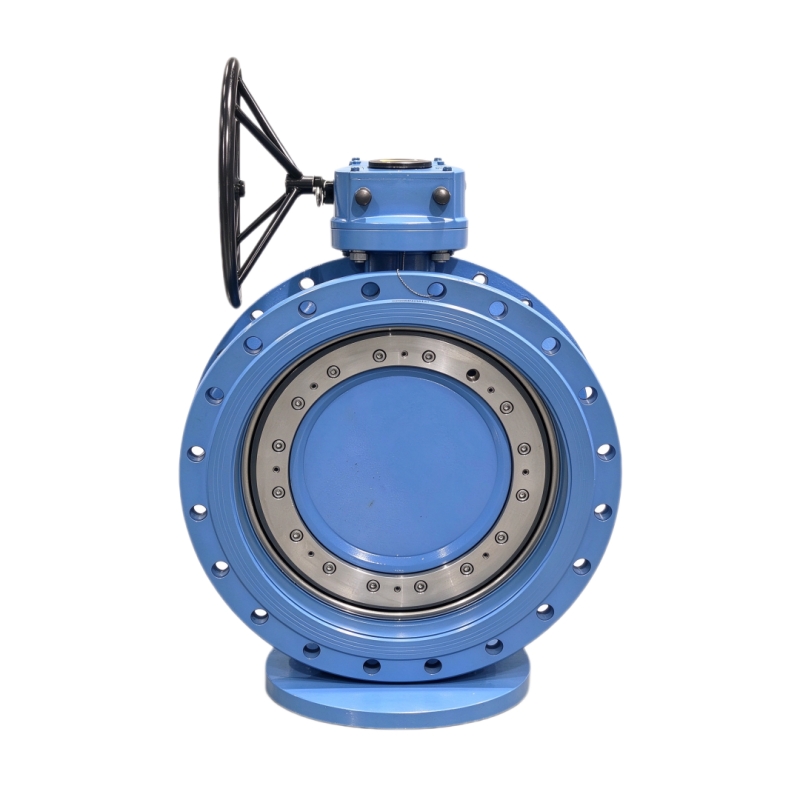
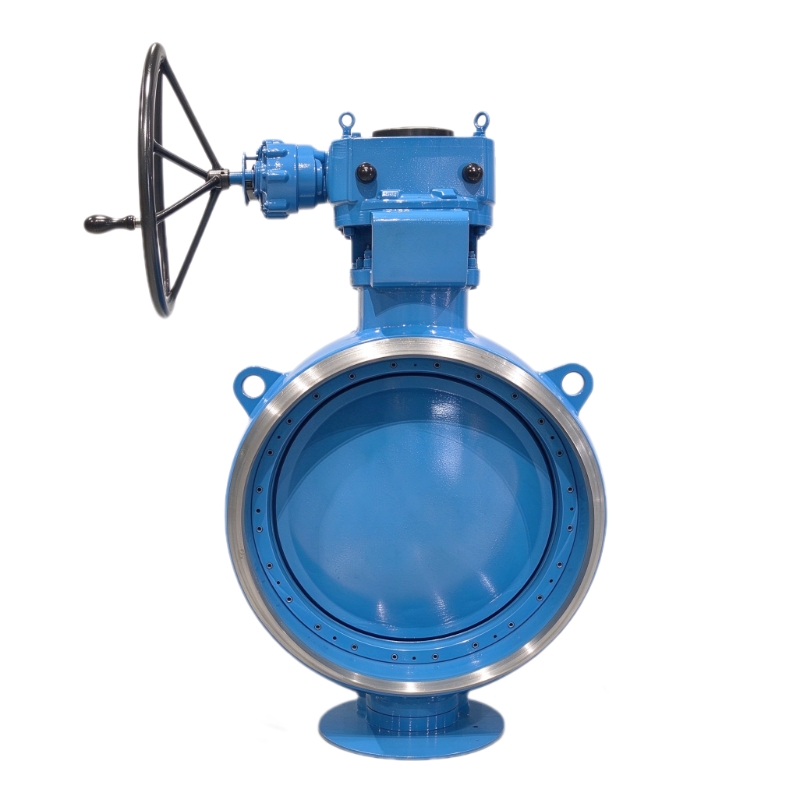
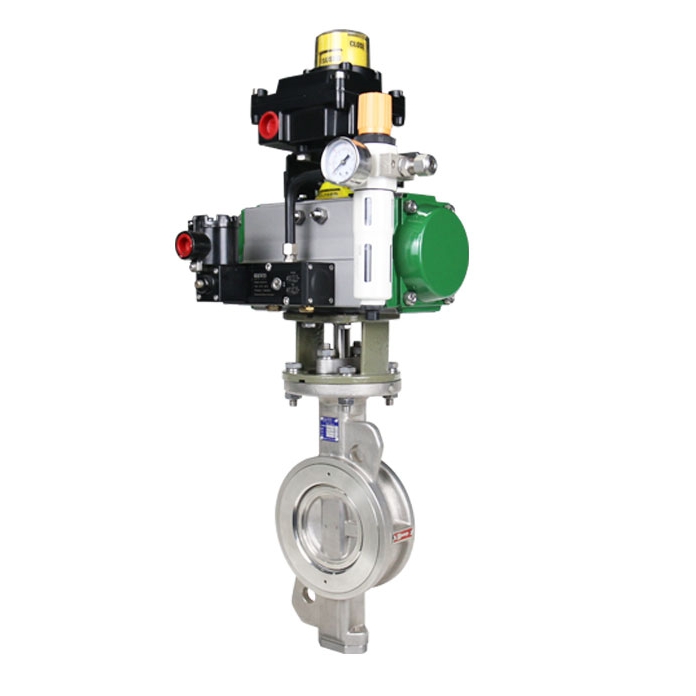
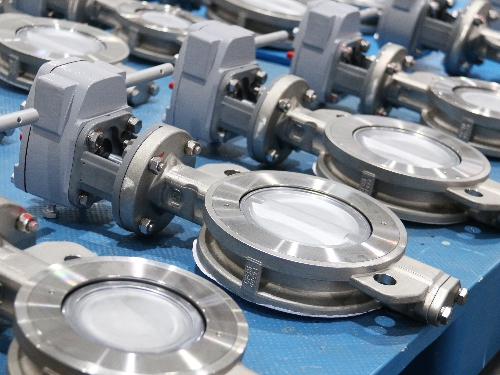
Modulating Butterfly Valve

Home

Modulating Butterfly Valve

  • How Does a Butterfly Valve Open and Close? Full Operating Guide | GEKO Valve
    How Does a Butterfly Valve Open and Close? Full Operating Guide | GEKO Valve
    Oct 09, 2026
    How Does a Butterfly Valve Open and Close? Full Operating Guide Butterfly valves are the most widely used quarter-turn flow control devices in industrial and municipal piping systems. Many engineers and procurement specialists select industrial butterfly valves for their compact size and cost-saving advantages, yet few fully understand the complete mechanical process of how a butterfly valve opens and closes. Unlike linear-stroke gate valves and globe valves, butterfly valves rely on precise rotary motion to change pipeline flow status. This article clearly explains the opening and closing working process, mechanical logic of different valve designs, actuation modes, and sealing coordination principles. 1. Basic Open and Close Principle of Butterfly Valves The entire opening and closing action of a butterfly valve is completed through a 90-degree quarter-turn rotation. The core moving parts include the valve stem and internal butterfly disc. The stem receives torque from manual or automated actuators and drives the disc to rotate horizontally inside the pipeline bore, realizing full opening, full closing, and intermediate throttling states. Closing Process (90° → 0°): The disc gradually rotates perpendicular to the fluid flow direction, continuously narrowing the flow passage. When reaching 0 degrees, the disc completely presses against the valve seat, blocking the pipeline and achieving tight shutoff. Opening Process (0° → 90°): The disc rotates parallel to the fluid direction, gradually expanding the flow area. At 90 degrees, the disc is fully opened, minimizing flow resistance and allowing maximum fluid passage. This simple rotary operation is what makes wafer butterfly valves and lug butterfly valves so popular for large-bore piping. 2. Complete Mechanical Action Process   The opening and closing cycle follows a fixed mechanical transmission chain, ensuring accurate and stable operation: First, the operating device (lever, gearbox, pneumatic or electric actuator) outputs rotational torque. The torque is transmitted to the central valve stem through the driving shaft. The integrated stem and disc structure rotates synchronously without idle travel. During movement, the disc gradually separates from or compresses against the sealing seat. Finally, the mechanical limit device locks the angle to complete opening or closing positioning. 3. Different Opening & Closing Logic by Valve Structure Concentric and offset butterfly valves have obvious differences in opening and closing friction, which directly affects service life and operating stability: 3.1 Concentric Butterfly Valve Operation Concentric butterfly valves have overlapping centers of the stem, disc, and pipeline. During every opening and closing stroke, the disc keeps continuous contact and friction with the seat. The operation is simple and cost-effective, suitable for low-frequency switching of conventional water treatment and HVAC pipelines. 3.2 Triple Offset Butterfly Valve Zero-Friction Operation Triple offset butterfly valves adopt a three-dimensional offset structure. During the opening process, the disc instantly separates from the seat without friction. During closing, the disc only contacts the seat at the final locking position. This zero-friction opening and closing mechanism greatly reduces seat wear, making this style of heavy duty butterfly valves suitable for high-temperature, high-pressure, and frequent switching industrial pipelines. 4. Sealing Coordination During Opening and Closing Different sealing types match different opening and closing mechanical characteristics: 4.1 Soft Seated Butterfly Valve Soft seated butterfly valves with EPDM or NBR seats rely on elastic compression to achieve zero leakage when fully closed. During closing, the disc gently squeezes the elastic seat to fill tiny gaps. During opening, the elastic seat resets automatically. This flexible sealing opening and closing mode ensures bubble-tight shutoff for clean water and gas media. 4.2 Metal Seated Butterfly Valve Metal seated butterfly valves adopt precision metal-to-metal matching. The opening and closing process realizes rigid mechanical fitting and separation. With high wear resistance and temperature resistance, they maintain stable switching performance in harsh working conditions such as high-temperature steam and abrasive slurry. 5. Opening and Closing Modes of Automated Butterfly Valves Modern industrial pipelines use automated butterfly valves to realize intelligent opening and closing control: Pneumatic Butterfly Valve: Driven by compressed air, it completes fast opening and closing strokes in seconds. With explosion-proof advantages, it is widely used in chemical and petrochemical pipeline switching. Electric Butterfly Valve: Driven by electric actuators, it features stable speed, precise angle positioning, and remote signal control. It supports delayed opening/closing and intermediate positioning, suitable for intelligent pipeline systems. Manual Butterfly Valve: Operated by lever or gear handwheel, it realizes on-site manual opening and closing, economical and convenient for low-frequency operation scenarios. 6. Common Opening & Closing Faults and Causes Valve jamming: Caused by sediment deposition, seat aging, or insufficient actuator torque Incomplete closing and leakage: Disc offset, seat wear, or foreign matter blocking the sealing surface Slow opening and closing speed: Pneumatic air pressure insufficiency or electric actuator parameter deviation 7. GEKO Valve Precise Opening & Closing Performance All GEKO butterfly valves adopt optimized rotary motion structure, ensuring flexible, smooth, and accurate opening and closing actions. Our full product range including wafer, lug, soft seat, metal seat, and triple offset butterfly valves achieves zero-friction switching, stable sealing, and long service life. Automated modulating butterfly valves support arbitrary angle opening and closing, meeting isolation and throttling control requirements of modern industrial piping systems.
    Read More
  • How Does a Butterfly Valve Control Fluid Flow? Complete Working Guide | GEKO Valve
    How Does a Butterfly Valve Control Fluid Flow? Complete Working Guide | GEKO Valve
    Sep 29, 2026
      How Does a Butterfly Valve Control Fluid Flow? Complete Working Guide Butterfly valves are widely recognized as the most cost-effective and space-efficient fluid control devices for municipal and industrial pipelines. Unlike ball valves that provide full straight-line flow or gate valves designed only for full open or full closed isolation, industrial butterfly valves feature unique rotary disc mechanics that enable flexible fluid management. Many system designers and plant operators wonder: how does a butterfly valve control fluid flow accurately and stably? This guide explains the full flow control mechanism, different working states of butterfly valves, structural differences between product types, and practical flow control performance in modern piping systems. 1. Basic Fluid Control Principle of Butterfly Valves The core fluid control method of a butterfly valve relies on a90-degree quarter-turn rotary disc. Installed vertically in the pipeline center, the butterfly disc rotates along the valve stem to change the effective flow area inside the pipe. By adjusting the disc angle, the valve precisely changes flow resistance, fluid velocity, and pipeline pressure, thereby realizing three core flow control functions: full flow passage, partial throttling, and complete fluid shutoff. This simple and reliable rotary flow control method is the key reason why wafer butterfly valves, lug butterfly valves, and offset butterfly valves are widely used in large-diameter water, gas, and low-viscosity process fluid pipelines. 2. Three Core Flow Control States 2.1 Full Flow Open State When the disc rotates 90 degrees and is parallel to the fluid direction, the pipeline reaches maximum flow capacity. Although the disc remains inside the pipeline, the streamlined disc structure minimizes flow resistance. In this state, the industrial butterfly valve allows unrestricted fluid transmission, suitable for long-term circulating pipeline operation and maximum flow supply scenarios. 2.2 Precise Throttling and Flow Regulation State The biggest advantage of butterfly valves in fluid control is their excellent throttling performance. When the disc stays at any angle between 20% and 70% opening, it forms an adjustable shielding area inside the pipeline. The larger the shielding area, the higher the flow resistance and the lower the fluid flow rate. Modulating butterfly valves with electric or pneumatic actuators can maintain stable opening angles, realizing continuous and accurate flow balancing, pressure adjustment, and fluid distribution control for industrial systems.   2.3 Full Closed Fluid Shutoff State When the disc rotates to 0 degrees and is completely perpendicular to the fluid flow, the disc closely fits the valve seat to block the entire flow passage. Soft seated butterfly valves use elastic seat deformation to achieve bubble-tight zero leakage for clean media, while metal seated butterfly valves rely on precision metal fitting to block high-temperature, high-pressure and abrasive fluids, achieving reliable pipeline isolation and fluid cut-off. 3. How Different Butterfly Valve Types Optimize Flow Control Different butterfly valve structures deliver completely different fluid control effects, adapting to diverse industrial working conditions: 3.1 Concentric Butterfly Valves for General Flow Control Concentric butterfly valves feature coincident stem, disc and pipeline centers, providing stable basic flow regulation and isolation. They are ideal for conventional water treatment, HVAC, and fire protection pipelines with normal temperature and low pressure, offering economical and practical fluid control performance. 3.2 Double and Triple Offset Butterfly Valves for Heavy-Duty Flow Control Triple offset butterfly valves and double offset butterfly valves adopt a unique offset structure. The disc avoids friction with the seat during rotation, ensuring smooth and stable angle adjustment even under high pressure and high temperature. These heavy duty butterfly valves provide precise flow control for steam, flue gas, corrosive chemical media, and high-cycle industrial process pipelines. 3.3 Wafer vs Lug Type Flow Control Features Wafer butterfly valves feature ultra-thin bodies with low flow resistance, suitable for compact pipeline systems requiring stable large-flow control. Lug butterfly valves support unilateral pipeline disassembly while maintaining system flow control safety, facilitating segmented pipeline maintenance without affecting the overall fluid system. 4. How Actuators Support Accurate Fluid Control Stable fluid control cannot be achieved by the valve body alone; the actuator determines control accuracy and automation level: Manual Butterfly Valves: Realize simple on-site flow adjustment and pipeline isolation, suitable for low-frequency control scenarios. Pneumatic Butterfly Valves: Equipped with positioners to correct angle deviation, maintaining stable flow rate under fluctuating pipeline pressure, ideal for explosion-proof industrial fluid systems. Electric Automated Butterfly Valves: Support remote signal adjustment and proportional flow control, matching intelligent industrial systems to realize automatic fluid management and precise flow distribution. 5. Key Advantages of Butterfly Valve Fluid Control Achieve dual functions of fluid isolation and flow throttling with a single valve device Suitable for large-diameter pipeline flow control with low cost and small installation space Smooth rotary operation ensures stable fluid adjustment without pipeline surge Multiple product types adapt to clean, corrosive, high-temperature and abrasive fluid media Support manual and automatic intelligent fluid control for modern industrial systems 6. GEKO Valve Reliable Fluid Control Butterfly Valve Solutions GEKO Valve provides a full range of high-performance butterfly valves for precise industrial fluid control. Our product lineup includes soft seated and metal seated butterfly valves, concentric and triple offset butterfly valves, wafer and lug type butterfly valves, as well as manual, pneumatic and electric automated butterfly valves. All products deliver stable flow regulation, reliable shutoff performance and long service life, providing accurate and efficient fluid control solutions for water treatment, HVAC, chemical, power, and municipal engineering systems. 9 Core SEO Keywords: Industrial Butterfly Valve, Triple Offset Butterfly Valve, Soft Seated Butterfly Valve, Metal Seated Butterfly Valve, Wafer Butterfly Valve, Lug Butterfly Valve, Modulating Butterfly Valve, Heavy Duty Butterfly Valve, Automated Butterfly Valve
    Read More
  • What Is the Mechanism Behind a Butterfly Valve's Operation? | GEKO Valve
    What Is the Mechanism Behind a Butterfly Valve's Operation? | GEKO Valve
    Sep 21, 2026
      What Is the Mechanism Behind a Butterfly Valve's Operation? Butterfly valves are one of the most versatile quarter-turn control valves used in modern industrial and municipal piping systems. While most engineers are familiar with the fast switching and compact structure of industrial butterfly valves, many do not fully understand the complete mechanical operation mechanism that enables reliable fluid isolation, pressure resistance, and precise flow modulation for different butterfly valve products. Unlike ball valves that rely on spherical ball sealing or gate valves with vertical stroke movement, butterfly valves adopt a unique rotary disc mechanical structure. This article deeply analyzes the full mechanical operating mechanism of butterfly valves, including torque transmission, disc movement logic, sealing mechanics of soft seated and metal seated butterfly valves, offset working principles, and actuator coordination for automated butterfly valves. 1. Overall Mechanical Operation Mechanism Overview The entire operation mechanism of a butterfly valve is based on rotary mechanical transmission and fluid dynamic matching. The actuator outputs rotational torque, which is transmitted through the valve stem to drive the internal butterfly disc to perform 90-degree quarter-turn rotation. By changing the angle of the disc inside the pipeline bore, the valve changes the flow cross-sectional area, thereby realizing three core mechanical functions: fluid cut-off, full flow passage, and intermediate throttling regulation. The whole mechanical structure features fewer transmission parts, simpler motion logic, and faster response than multi-stroke industrial valves. 2. Core Mechanical Transmission Mechanism   Torque transmission is the core power source for butterfly valve operation. The complete mechanical transmission chain consists of an actuator, valve stem, shaft pin, and butterfly disc, achieving accurate power conversion and motion output. When the actuator receives an opening or closing signal, it generates rotational torque and transmits it to the vertical valve stem. The valve stem is fixed with the butterfly disc through precision shaft pins, eliminating idle rotation and ensuring synchronous angle movement. The stem shaft relies on high-precision shaft sleeves and sealing packing to reduce friction resistance, ensuring flexible and stable rotation without jamming. This mechanical transmission mechanism converts electrical, pneumatic, or manual power into mechanical rotation, completing valve opening and closing actions efficiently. 3. Disc Flow Control Mechanical Mechanism The butterfly disc is the executive component of fluid control, and its angular displacement directly determines the pipeline flow state. Different opening angles correspond to completely different mechanical flow control states. At a 0-degree closed position, the disc is completely perpendicular to the fluid direction, forming a full barrier against the medium. Under the action of medium pressure, the disc fits tightly with the valve seat to achieve mechanical compression sealing. At a 90-degree fully open position, the disc is parallel to the fluid direction, minimizing flow resistance and allowing maximum fluid passage. At any angle between 0 and 90 degrees, the disc forms an overlapping throttling structure with the pipeline bore, using mechanical occlusion to change flow velocity and pressure, realizing continuous flow regulation. 4. Sealing Mechanical Mechanism (Soft Seal & Hard Seal) The reliable shutoff performance of butterfly valves comes from two different mechanical sealing mechanisms, applicable to different industrial working conditions:   4.1 Elastic Compression Sealing Mechanism (Soft Seat) Soft seated butterfly valves use elastic polymer seats such as EPDM and Viton. During the closing stroke, the disc mechanically squeezes the elastic seat to produce micro elastic deformation. The deformed seat fills the tiny mechanical gaps between the disc edge and the valve body, achieving zero-leakage sealing. This elastic compensation mechanical mechanism adapts to minor machining tolerances and pipeline pressure changes, ensuring tight shutoff of soft seated butterfly valves under normal temperature and low-pressure conditions. 4.2 Precision Mechanical Lapping Sealing Mechanism (Metal Seat) Metal seated butterfly valves adopt a rigid metal-to-metal sealing mechanism. After precision machining and mirror lapping, the disc and seat form a high-precision matching sealing pair. Relying on mechanical rigid contact and medium pressure self-tightening force, the valve realizes stable sealing under high-temperature, high-pressure, and abrasive working conditions. This mechanical sealing structure has no aging deformation problem and supports long-term high-cycle industrial operation of heavy duty butterfly valves. 5. Offset Butterfly Valve Zero-Friction Mechanical Mechanism Concentric and offset butterfly valves have fundamental differences in mechanical operation logic, which determines service life and pressure resistance performance. Concentric butterfly valves feature a completely coincident center of stem, disc, and pipeline. The disc keeps continuous mechanical friction with the seat during each opening and closing cycle, leading to easy seat wear. In contrast, triple offset butterfly valves and double offset butterfly valves adopt a spatial offset mechanical structure. At the initial rotation stage, the disc automatically separates from the sealing seat without friction contact. Only at the final closing angle does the disc contact the seat for positioning and sealing. This zero-friction mechanical operation mechanism greatly reduces component wear, improves valve durability, and adapts to heavy-duty frequent switching working conditions for offset butterfly valve products. 6. Automated Coordination Mechanism of Actuators Different actuators form different automatic operation mechanisms, matching modern intelligent pipeline systems: Pneumatic Butterfly Valve Mechanism: Converts compressed air pressure energy into mechanical rotation torque, featuring fast action and explosion-proof mechanical performance, suitable for hazardous industrial environments. Electric Butterfly Valve Mechanism: Uses motor drive and reducer torque amplification to achieve precise angle positioning, supporting remote signal control and proportional regulation. Manual Butterfly Valve Mechanism: Relies on manual mechanical torque input, simple transmission structure, stable and reliable for low-frequency operation. 7. Industrial Advantages of Butterfly Valve Mechanical Mechanism The unique mechanical operation structure endows industrial butterfly valves with irreplaceable industrial advantages: compact mechanical layout saves installation space for wafer and lug butterfly valves, simple transmission structure reduces failure rates, zero-friction offset mechanism extends the service life of triple offset butterfly valves, and flexible angular displacement realizes dual functions of isolation and throttling for modulating butterfly valves. These mechanical characteristics make various types of butterfly valves the preferred solution for large-diameter industrial and municipal fluid control systems. 8. GEKO Valve High-Precision Mechanical Design GEKO Valve optimizes the internal mechanical operation mechanism of all industrial butterfly valves. Adopting precision casting, CNC machining and mirror lapping technology, our wafer butterfly valves, lug butterfly valves, metal seated and soft seated butterfly valves feature uniform torque transmission, flexible rotation, precise disc positioning and stable sealing performance. Complete product series including concentric, double offset and triple offset butterfly valves fully meet the mechanical operation requirements of different low, medium and high-pressure industrial pipelines. 9 Core SEO Keywords: Industrial Butterfly Valve, Triple Offset Butterfly Valve, Soft Seated Butterfly Valve, Metal Seated Butterfly Valve, Wafer Butterfly Valve, Lug Butterfly Valve, Modulating Butterfly Valve, Heavy Duty Butterfly Valve, Automated Butterfly Valve
    Read More
  • How do butterfly valves regulate flow in modern systems?
    How do butterfly valves regulate flow in modern systems?
    Sep 21, 2026
    How Do Butterfly Valves Regulate Flow in Modern Systems? Modern industrial and municipal fluid systems demand reliable components capable of both on‑off isolation and precise flow modulation. Among quarter‑turn valve solutions, butterfly valves stand out for compact footprint, cost‑effectiveness, and proven flow‑regulating performance across large‑diameter pipelines. While many users associate butterfly valves only with simple shut‑off service, properly specified butterfly valves can deliver stable throttling for liquid, gas, and low‑abrasion media. This article explains exactly how butterfly valves regulate flow, their control characteristics, suitable operating ranges, actuator matching, and real‑world limitations within modern process systems. Core Mechanism of Flow Regulation for Butterfly Valves A butterfly valve controls flow by rotating a circular disc inside the pipe bore. The disc pivots around a central shaft connected to manual, pneumatic, or electric actuation. When the disc sits parallel to the pipeline axis, the valve opens fully for maximum flow capacity. As the disc rotates toward the closed position, it blocks part of the flow passage, creating variable flow resistance that modulates media velocity and volumetric flow rate. At 90‑degree rotation, the disc sits perpendicular to flow to achieve shut‑off.   Unlike ball valves which offer near‑unobstructed full‑bore flow, the butterfly disc always remains inside the flow path even at full opening. This inherent obstruction generates pressure drop, which becomes the key physical basis for throttling and flow regulation. Flow Characteristic Curves of Butterfly Valves Most standard butterfly valves follow a modified equal‑percentage flow characteristic. Small angular adjustments in the mid‑travel range produce relatively large changes in flow volume. This means best throttling performance generally occurs between 20 % and 70 % of disc opening. Operating close to full‑closed or near‑full‑open positions reduces regulation accuracy: near‑closed positions risk cavitation and high velocity erosion; near‑full‑open positions yield minimal flow change even with substantial disc rotation. For demanding control loops, custom profiled discs can adjust flow curves to match linear process requirements, improving stability for continuous flow‑modulation applications. Actuator Selection for Accurate Flow Regulation Good throttling results depend not only on the valve body design but also on compatible actuation: Manual butterfly valves: Suitable only for rough, infrequent manual adjustment; cannot support automatic closed‑loop flow control. Pneumatic actuators with positioners: Industry‑preferred option for modulating service. Valve positioners convert control signals to precise disc angles, compensating for process pressure fluctuations and shaft friction. Electric modulating actuators: Ideal for sites without compressed‑air supply, offering repeatable positioning for remote‑managed modern systems. Without a dedicated positioner, even high‑quality butterfly valves cannot maintain stable set‑point flow under variable upstream‑pressure conditions. Key Limitations When Using Butterfly Valves for Flow Modulation   Engineers should understand practical constraints to avoid premature component failure: Extended throttling near‑closed positions may induce cavitation, vibration, disc chatter, and seal wear. Abrasive slurry media can rapidly erode disc edges and sealing surfaces under high‑velocity throttling conditions. Butterfly valves are not recommended for tight‑precision critical‑loop control where globe valves remain the conventional choice. High differential pressure across a partially‑closed disc creates significant torque loads, requiring actuator oversizing. Typical Modern‑System Applications for Regulating Butterfly Valves Butterfly valves are widely deployed for flow regulation in large‑size systems where cost and space constraints dominate: Water treatment plants: raw‑water feed control, distribution pipeline throttling HVAC district heating and cooling circuits: hot‑water and chilled‑water flow balancing Petrochemical utilities: cooling‑water loop modulation, low‑corrosion gas flow adjustment Municipal pipeline networks: bulk water distribution pressure and flow management Power plant auxiliary systems: circulating‑water flow control Best Practices to Optimize Butterfly Valve Flow‑Regulating Performance Limit throttling operation within the 20 %‑70 % opening window. Specify modulating actuators with position feedback for automatic control loops. Calculate operating torque based on actual differential pressure, not just nominal valve size. Select appropriate seat materials compatible with process temperature and media chemistry. Where severe cavitation is predicted, consider anti‑cavitation trim or alternative valve types. Final Thoughts Butterfly valves deliver effective, cost‑competitive flow regulation for many large‑bore modern industrial and municipal systems. Their rotary‑disc principle enables both isolation and modulation, yet performance is bounded by flow characteristics, actuator configuration, and process conditions. Matching valve design, actuation hardware, and operating envelope ensures stable, long‑term flow‑control results from your butterfly‑valve installation.
    Read More

leave a message

leave a message
If you are interested in our products and want to know more details,please leave a message here,we will reply you as soon as we can.
submit

home

products

contact