Blog

Home

Blog

  • Quick Guide to CF8/CF8M/CF3/CF3M Materials - Featuring GEKO Brand Valves
    Quick Guide to CF8/CF8M/CF3/CF3M Materials - Featuring GEKO Brand Valves
    Mar 17, 2026
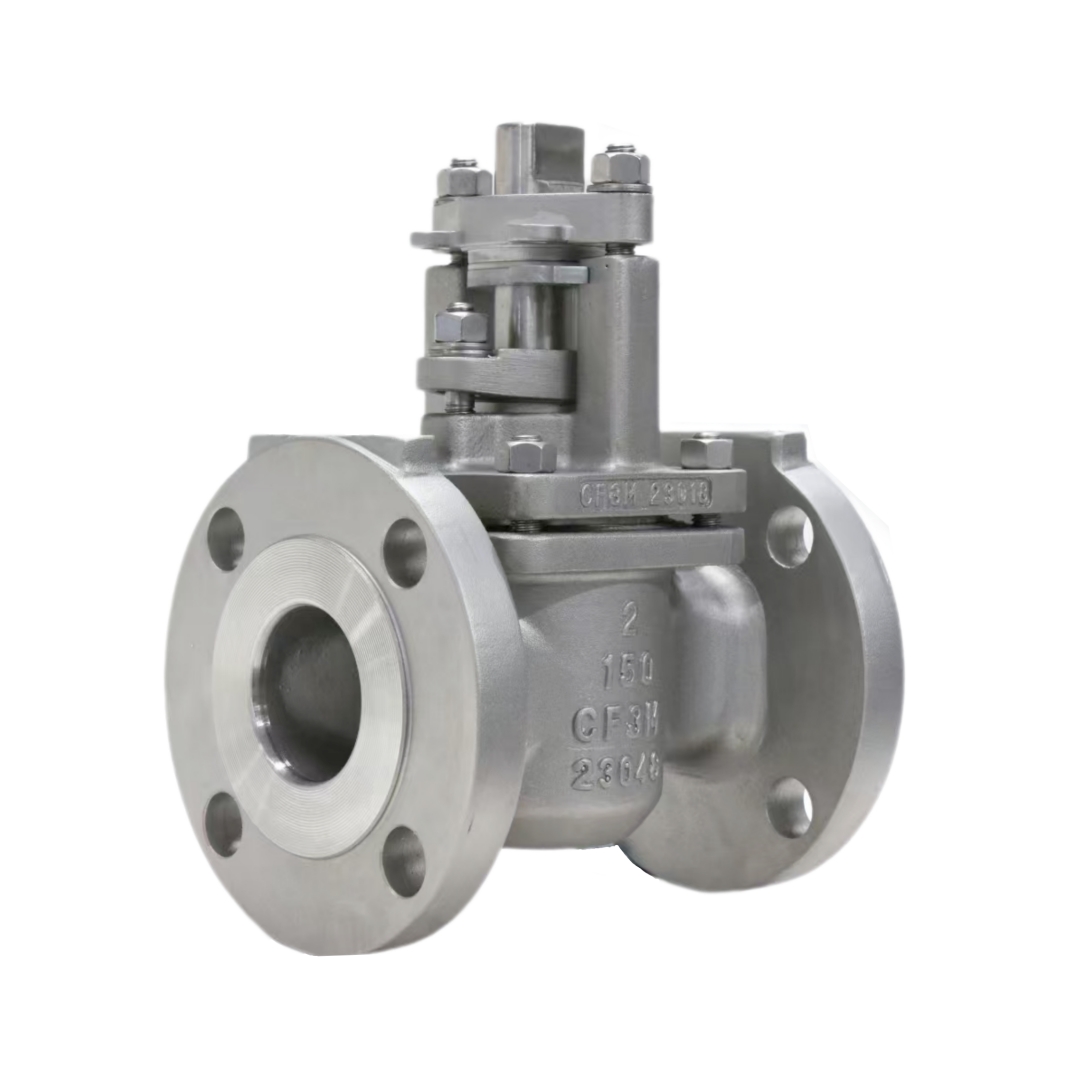
    CF8, CF8M, CF3, and CF3M are all austenitic cast stainless steels under the ASTM A351 standard, commonly used for valves, pump bodies, flanges, and other castings. These materials correspond in composition to the wrought stainless steels 304/304L/316/316L, with the key differences being the carbon content and whether molybdenum (Mo) is included. GEKO Brand Valves are made from premium materials like these, offering superior performance in demanding environments such as industrial and chemical applications.     1). Quick Code Meaning C: Casting F: Austenitic 8: Carbon ≤ 0.08% (standard carbon) 3: Carbon ≤ 0.03% (ultra-low carbon) M: Contains Mo (Molybdenum, 2.0%–3.0%)   2). Material Correspondence and Composition (ASTM A351)   American Standard Code Corresponding Steel Chinese Standard Code (Casting) Carbon Content Limit Main Composition (%) Core Characteristics CF8 304 ZG08Cr18Ni9 ≤0.08 Cr:18-21 Ni:8-11 General corrosion-resistant, lead-free CF8M 316 ZG08Cr18Ni1 2Mo2 ≤0.08 Cr:18-21 Ni:9-12 Mo:2-3 Contains molybdenum, resistant to chlorides CF3 304L ZG03Cr18Ni1 0 ≤0.03 Cr:17-21 Ni:8-12 Ultra-low carbon, resistant to intergranular corrosion CF3M 316L ZG03Cr18Ni1 2Mo2 ≤0.03 Cr:17-21 Ni:9-13 Mo:2-3 Ultra-low carbon + molybdenum, welded / seawater / chemical engineering preferred   3). Key Differences and Selection Points for GEKO Valves   CF8 vs CF3   CF8: Carbon ≤ 0.08%, corresponding to 304, suitable for general corrosion, non-welded, or weldable castings that can undergo solution treatment. GEKO Brand Valves manufactured with CF8 material are ideal for standard industrial applications and environments with mild corrosion conditions. CF3: Carbon ≤ 0.03%, corresponding to 304L, more resistant to intergranular corrosion, suitable for thick-walled welded parts, and situations where post-weld heat treatment is not required. GEKO valves utilizing CF3 material offer superior resistance in welding applications and critical environments.   CF8M vs CF3M   CF8M: Carbon ≤ 0.08% + Mo, corresponding to 316, resistant to moderate corrosion and chloride ions. GEKO Brand Valves made from CF8M are specifically designed for use in environments exposed to chloride ions and moderate corrosion, ensuring longevity and reliability in both industrial and chemical processing sectors.   CF3M: Carbon ≤ 0.03% + Mo, corresponding to 316L, suitable for welding, resistant to intergranular corrosion and pitting, and ideal for harsh environments such as seawater, chemicals, LNG, etc. GEKO valves made from CF3M are perfect for the toughest environments, such as marine, chemical, and LNG industries, providing excellent resistance to corrosion and ensuring extended service life.       4).Typical Applications     CF8: General water, nitric acid, food, low-temperature conditions. GEKO valves made from CF8 material are commonly used in water treatment systems and food processing applications where moderate corrosion resistance is required.   CF8M: Acetic acid, phosphoric acid, moderate chloride ion environments. GEKO Brand Valves made with CF8M are perfect for chemical industries handling acids and moderate levels of chloride ions.   CF3: Welding structures, large sections, and situations where post-weld heat treatment is not required. GEKO valves made from CF3 material are ideal for welding applications requiring strength and durability.   CF3M: Seawater, saltwater, chlorine-containing acidic media, marine engineering, desulfurization equipment. GEKO valves made with CF3M material are the first choice for applications in seawater, saltwater, and other corrosive environments.   Contact us for more!
    Read More
  • How to Match the Hardness of Ball Valve Ball and Seat? Incorrect Selection May Lead to Failure
    How to Match the Hardness of Ball Valve Ball and Seat? Incorrect Selection May Lead to Failure
    Mar 17, 2026
    The metal sliding contact surfaces of ball valves need to have a certain hardness difference, or else they may experience galling. In practice, the hardness difference between the valve ball and seat typically ranges from 5 to 10 HRC, providing optimal service life for the valve. Due to the complex machining process of the ball, which also incurs high costs, the ball is generally chosen to have a higher hardness than the valve seat to protect it from damage and wear.     GEKO Brand Ball Valves stand out with their high-quality materials and precise manufacturing processes, offering exceptional performance in hardness matching between the ball and seat. Various hardness combinations are utilized to ensure long-term stability and efficiency. Below are two commonly used hardness pairings:      - Ball Hardness 55 HRC, Seat Hardness 45 HRC: The valve ball surface can be coated with supersonic sprayed STL20 alloy, and the valve seat surface can be welded with STL12 alloy. This hardness combination is the most commonly used for metal-sealed ball valves, meeting the general wear requirements of metal-to-metal sealing. This pairing is widely used in GEKO Brand metal-sealed ball valves, ensuring excellent performance under high loads.         - Ball Hardness 68 HRC, Seat Hardness 58 HRC: The valve ball surface can be coated with supersonic sprayed tungsten carbide, and the valve seat surface can be supersonic sprayed with STL20 alloy. This hardness combination is widely used in coal chemical industries, providing higher wear resistance and extended service life. GEKO’s high-hardness ball valves have been extensively applied in coal chemical industries, helping users extend equipment life cycles and reduce maintenance costs.       Selecting the correct hardness combination can effectively prevent galling and ensure that GEKO Brand Ball Valves operate reliably under various harsh conditions, offering extended service life and lower maintenance requirements.   Contact us now for more information: info@geko-union.com  
    Read More
  • LNG Valve Types and Applications: Understanding the Importance of GEKO Valves in LNG Systems
    LNG Valve Types and Applications: Understanding the Importance of GEKO Valves in LNG Systems
    Feb 27, 2026
    In the realm of LNG (Liquefied Natural Gas) systems, the selection and application of the right valves are critical for ensuring safety, efficiency, and system reliability. Valves are used extensively across various LNG stages, from storage to transportation. Among the most renowned brands for LNG valve solutions, GEKO stands out due to its innovation and high-performance standards, delivering optimal solutions across LNG applications. Below, we will explore several key valve types used in LNG systems and highlight GEKO's contribution to the industry.   1. LNG Ultra-Low Temperature Ball Valves LNG ultra-low temperature ball valves are the most widely used and most numerous type of valve in LNG systems. They are designed to handle the extreme temperatures and pressures encountered in LNG storage and transportation.   Structural Features: Long-neck valve bonnet: Standard configuration for ease of operation and maintenance. Blow-out-proof valve stem: Ensures the valve stem is securely locked even under internal pressure, preventing the risk of blowout. Double Block and Bleed Functionality: Enables LNG to be purged from the valve chamber during closure, preventing abnormal pressure buildup due to heat-induced vaporization. Special Seat Design: Typically metal-to-metal seals or soft seals with elastic compensation structures, designed to adapt to low-temperature shrinkage.   Applications: LNG storage tank inlets and outlets Loading arm connections BOG (Boil-off Gas) handling systems Pressure reduction units and vaporizers   GEKO valves, designed for extreme temperature tolerance and seamless operation, excel in these critical applications. With GEKO's advanced materials and innovative sealing technologies, these valves ensure the smooth and safe operation of LNG facilities.   2. LNG Ultra-Low Temperature Globe Valves Used for precise flow control or applications requiring tight shut-off capabilities, LNG globe valves are integral to regulating the flow of LNG in pipelines and systems that demand high reliability.   Structural Features: Angle or Y-type valve body: Low flow resistance and easy discharge to prevent medium retention. Disc-type valve bonnet: Designed to better withstand stress caused by temperature fluctuations. Bellows Seal: An essential feature that creates a metal barrier, eliminating the risk of leakage at low temperatures. Applications: Flow control systems (e.g., sample extraction systems) High-seal-demand applications in hazardous areas Inlet/outlet of BOG compressors Instrument gas or nitrogen pipelines   With GEKO's expertise, these valves are built to handle the challenging pressures and temperatures in LNG systems, ensuring a stable, leak-free operation.   3. LNG Ultra-Low Temperature Gate Valves Gate valves are employed in large-scale LNG pipelines where full bore and low flow resistance are necessary for complete shut-off capabilities.   Structural Features: Rigid wedge or elastic gate design: Designed to accommodate different shrinkage rates in the valve body and gate at low temperatures. Full-bore design: Minimizes flow resistance, allowing pigging (cleaning) devices to pass through easily.   Applications: Main LNG pipelines requiring full-bore operations Large inlet/outlet lines at LNG receiving stations or liquefaction plants   GEKO's gate valves offer high durability and superior sealing capabilities, making them the perfect choice for critical LNG pipeline applications where maximum flow is required.   4. LNG Ultra-Low Temperature Safety and Relief Valves These valves are essential safety devices that protect LNG equipment and pipelines from overpressure damage.   Structural Features: Designed for gas-liquid phase flow: Ensures safe venting under varying flow conditions. Spring chamber isolation: Prevents the spring from being affected by low-temperature media. Reliable sealing: Ensures precise opening at set pressure and tight closure after reseating.   Applications: LNG tanks (main and backup safety valves) Overpressure protection for LNG pipelines and pressure vessels BOG systems   GEKO's safety valves provide exceptional reliability and precision, keeping LNG systems safe and operational, even under extreme pressure conditions.   5. LNG Ultra-Low Temperature Check Valves Check valves prevent backflow of media, ensuring the protection of key equipment in LNG systems.   Structural Features: Swing or lift type designs: Ensures quick response at low flow rates. Reliable sealing: Prevents backpressure leakage.   Applications: LNG pump outlets to prevent backflow during pump shutdown Compressor inlets/outlets Pipelines where backflow conditions might occur   GEKO's check valves are built with top-quality materials that ensure durability and efficient performance, especially in preventing backflow in LNG systems.   6. Other Special LNG Valves Low-Temperature Butterfly Valves: Used for large diameter, low-pressure drop regulation or shut-off, such as in ventilation and BOG pipelines. Needle Valves: Used for very precise flow control in applications requiring small flow rates, such as instrument pressure lines or sampling systems.
    Read More
  • Control Valve Leakage Class and Rangeability: The "Limits" of Valve Performance
    Control Valve Leakage Class and Rangeability: The "Limits" of Valve Performance
    Feb 26, 2026
    If the Cv value determines how much work the valve can do, then the leakage class (Leakage Class) and rangeability (Rangeability) determine the "quality of the work" the valve performs.            Leakage Class is the lower limit of performance: How tightly can the valve close?        Rangeability is the upper limit of performance: How wide can the valve adjust?        Many field incidents happen not because the valve cannot pass the flow, but because the valve cannot close properly (causing high-pressure gas leaks, material waste) or cannot adjust properly (causing instability at low flow and saturation at high flow).          In this article, we will explain these two key indicators that determine the "level" of a valve's performance.   01 Leakage Class: The Art of Closing the Valve There is no absolute "zero leakage" in the world. Even metal atoms have gaps between them. The industry standard followed is ANSI/FCI 70-2 (corresponding to IEC 60534-4). This standard divides leakage into 6 classes.   Here’s a detailed explanation of the commonly used classes:   Class IV: The Standard for Metal Hard Seal   Definition: Leakage does not exceed 0.01% of the rated Cv value. Application: Most ordinary single-seat valves and cage valves. Intuitive Understanding: For a valve with Cv=100, a small leak might not be audible to the human ear, but instruments can detect it.   Class V: A Tough Step to Cross   Definition: Extremely low leakage, with a complex calculation formula (depending on pressure differential and orifice size), roughly 1/100 of Class IV. Application: Situations requiring extremely high metal sealing, usually requiring precise grinding of the valve seat and disc.   Class VI: The World of Soft Seals   Definition: Bubble-tight seal Testing Method: Air is blown through, counting how many bubbles leak per minute. For example, a 1-inch valve should not leak more than 1 bubble per minute. Material: Can almost only be achieved with soft materials such as PTFE (Teflon) or rubber. Limitations: Soft seals do not perform well at high temperatures (usually < 230°C).   💡 Selection Pitfall: Do not blindly pursue Class VI. If you are working with high-temperature and high-pressure steam and demand Class VI, manufacturers will only be able to provide expensive special metal structures, leading to skyrocketing costs and uncertain service life. Typically, Class IV is sufficient for control valves.   02 Rangeability: Ideal vs. Reality   Rangeability, also known as Turndown Ratio, is defined as: The ratio between the maximum controllable flow and the minimum controllable flow of the valve.     Linear Valves: Theoretically, the rangeability is about 30:1. Equal Percentage Valves: Theoretically, the rangeability is about 50:1 or even 100:1.   Why the "100:1" on samples is misleading:   The rangeability indicated on samples is called Inherent Rangeability. But in the field, we are dealing with Installed Rangeability.   Remember the valve authority, S? Pipe resistance will "eat up" the pressure difference of the valve   S = 1 (Ideal): Installed Rangeability equals Inherent Rangeability. S = 0.1 (Common): A valve rated for 50:1 might only have an actual installed rangeability of 5:1!   What does this mean? It means that when the flow rate drops to 20%, the valve may already be near its closed position, becoming unstable.   ✅ Engineering Rule: Do not trust sample data blindly. In systems with low S values, the installed rangeability must be calculated. If the actual flow range is wide (e.g., minimal flow during startup, maximal flow during normal operation), one valve alone might not be sufficient. A "split range" solution, using multiple valves in parallel, might be needed.   Contact us now for more info of control valve: info@geko-union.com
    Read More
  • Data Center Liquid Cooling Valves: Selection, Parameters, Market, and Core Value Analysis
    Data Center Liquid Cooling Valves: Selection, Parameters, Market, and Core Value Analysis
    Feb 10, 2026
    As the power density of individual cabinets exceeds 20kW, 30kW, and even higher thresholds, liquid cooling technology has become the core solution for achieving efficient heat dissipation and meeting carbon neutrality targets in high-density data centers. The piping network of a liquid cooling system is like the "blood vessels" of the system, and valves, as key control nodes, play a core role in flow regulation, pressure stabilization, and safety protection. Their design, selection, and performance directly determine the system's cooling efficiency, operational reliability, and total lifecycle cost (TCO). This article systematically analyzes the technical points and industry value of liquid cooling valves from five dimensions: the necessity of valve application, scientific selection logic, core technical parameters, market landscape data, and future development trends, drawing from hands-on experience in data center liquid cooling projects.   The Core Necessity of Liquid Cooling Valves: "Safety Guards" and "Intelligent Managers" of the Liquid Cooling System   The continuous and stable operation of a data center’s liquid cooling system relies on the precise regulation and safety protection provided by valves. Their core value spans the entire lifecycle of system design, operation management, and fault handling, specifically reflected in three core dimensions:   1. Bottom-line Guarantee for System Safety      Data center IT equipment has a zero-tolerance policy for coolant leaks. The valve's sealing performance is the first line of defense against coolant leakage and protects sensitive electronic equipment. By reasonably configuring specialized components such as safety valves and check valves, potential risks like water hammer effects and overpressure impacts can be effectively suppressed, preventing irreversible damage to server cold plates from abnormal system pressures. Given that server cold plates are typically designed for pressure resistance between 0.6-0.8 MPa, the valve must strictly control the secondary side (from CDU to cabinet/cold plate) working pressure in the range of 0.3-0.6 MPa, establishing a graded pressure protection system.   2. Precise Control of Cooling Efficiency      A liquid cooling system needs to match the coolant flow and direction with the dynamic heat load of the cabinet. GEKO valves achieve this through hydraulic balance control, which can effectively prevent localized hotspot accumulation or cooling redundancy. For instance, electric regulating valves installed at the CDU outlet receive control signals from the DCIM system to dynamically match the flow demand of individual cabinets (10-50L/min). Balance valves can compensate for resistance deviations in different pipeline sections, ensuring consistent cooling performance across all cabinets. This directly correlates to the data center's PUE value and equipment operational stability.   3. Core Support for Operational Convenience     Optimized GEKO valve configurations can significantly reduce liquid cooling system operation and maintenance costs and minimize downtime risks. Quick-connect valves support a "hot-swappable" maintenance mode for cabinets, enabling equipment maintenance without draining the coolant. Ball valves at the cabinet outlets have quick isolation functions, reducing the fault handling time of individual cabinets. Automatic vent valves and low-point drainage valves address air accumulation and impurity sedimentation issues, minimizing system fault downtime and ensuring 24/7 uninterrupted operation of the data center. Regular operational management is required: automatic vent valves need quarterly venting calibration to ensure smooth exhaust; electric regulating valves must be calibrated annually, with deviations controlled within ±1% to avoid flow distortion; seals in fluoride-based liquid systems need replacement every 3-5 years, while deionized water system seals can last 5-8 years, requiring re-testing for sealing performance after replacement.         Scientific Selection Logic: Full-dimensional Adaptation from Scenario to Requirement   The selection of liquid cooling valves should be based on functional needs, medium properties, system pressure levels, and operational scenarios, adhering to the four principles: "location adaptation, medium compatibility, precision matching, and cost control." The focus should be on covering the four key nodes of the liquid cooling system and adapting seven core types of GEKO valves.   1. Valve Configuration Scheme for Four Key Locations   - Pump Outlet Unit: Use a standardized configuration of "Gate Valve + Silent Check Valve + Pressure Sensor." The gate valve offers minimal pressure loss in the fully open state and ensures reliable isolation during pump maintenance. The silent check valve, aided by a spring structure, prevents backflow of coolant after pump shutdown and suppresses water hammer impacts on the pump impeller.   - Cooling Distribution Unit (CDU) Inlet and Outlet: On the inlet side, install a 100-200 mesh Y-type filter and a pressure gauge to remove impurity particles from the coolant and prevent microchannel blockages in servers. The outlet side should feature an electric regulating valve and flowmeter for flow-loop control. The bypass pipeline should include a manual balance valve for hydraulic balance calibration during system debugging and as a backup flow path during fault conditions.   - Cabinet Branch Piping: The inlet should be equipped with either a manual balance valve (for standard scenarios) or an automatic balance valve (for high-end computing centers). The outlet should be fitted with a ball valve to achieve quick isolation of the cabinet. The valve diameter must precisely match the cabinet's rated flow to ensure the cooling demand matches the flow capacity.   - System High and Low Points: At high points, install an automatic vent valve to expel air accumulated in the piping and prevent gas blockages and cavitation. At low points, install a ball valve or gate valve as a drainage valve for system evacuation, impurity cleaning, and maintenance tasks.   2. Seven Core GEKO Valve Types, Features, and Application Scenarios   Valve Type Core Function Application Scenario Core Advantages Ball Valve Manual shutoff, quick isolation Cabinet outlets, drainage pipelines Full-bore design with minimal flow resistance, zero-leakage sealing performance Solenoid Valve Quick automatic on/off, safety shutoff Branch switching, emergency shutdown circuits Response time ≤50ms, 24VDC safe power supply, low power consumption (3-5W) Electric Regulating Valve Precision flow/pressure control CDU outlet, regional control branches Valve position control accuracy ≤±1%FS, compatible with Modbus/BACnet Check Valve Prevents backflow Pump outlets, end of branches Spring-assisted silent type effectively suppresses water hammer, opening pressure as low as 0.05bar Balance Valve Hydraulic balance adjustment Cabinet inlets, regional branches Equipped with G1/4/G3/8 pressure measurement interfaces, supports angle locking and flow calibration Safety/Relief Valve Overpressure protection, pressure release Main pipeline, CDU unit Set pressure accuracy ±3%, meets ASME BPVC Section VIII or PED certification Quick Connect Valve Hot-swappable maintenance, quick connection Cabinet inlet/outlet Maintenance without draining the system, high sealing reliability, standard for high-density environments   3. Material Selection Core Principles: Medium Compatibility First   Valve material compatibility with coolant is key to ensuring long-term stable operation. Corrosion of materials, swelling of seals, and impurity precipitation must be avoided. The material adaptation plan for different cooling mediums is as follows:   - Deionized Water: The valve body should be made of 304/316 stainless steel, and seals should be EPDM or fluororubber. Brass material must be avoided to prevent zinc element precipitation and contamination of the coolant.   - Ethylene Glycol Solution: The valve body should be made of 316 stainless steel to enhance corrosion resistance, and seals should be nitrile rubber or fluororubber, with a focus on sealing reliability under low-temperature conditions.   - Insulating Fluorinated Liquids: The valve body should be made of 316 stainless steel or carbon steel coated with nickel, and seals should be fluororubber or perfluoroether rubber (FFKM), with a 72-hour compatibility soaking test before use.   - Mineral Oils: The valve body can be made of carbon steel or stainless steel, with seals adapted to fluororubber or PTFE, considering the impact of the medium’s expansion coefficient on seal performance.   4. Common Selection Pitfalls and Key Avoidance Points   In practical engineering, valve selection is prone to misunderstandings. Key issues to avoid include:   - Confusing "working pressure" with "design pressure," selecting valves based solely on working pressure leads to insufficient pressure margin. Selection should strictly be based on design pressure (working pressure ×1.1-1.2 safety factor). - Ignoring long-term compatibility between seals and fluorinated liquids, using only short-term tests before use. Suppliers should provide third-party 72-hour immersion test reports to verify no swelling or aging. - Not providing measurement interfaces on balance valves, making it impossible to accurately quantify hydraulic adjustments in later stages. Ensure that G1/4 or G3/8 standard pressure measurement interfaces are included in the selection. - Blindly pursuing "all imported" valves, ignoring the benchmark cases of domestic brands. For retrofit projects, prioritize selecting domestic brands with experience in North American or Middle Eastern projects to balance cost and reliability.   Core Technical Parameters: Key Indicators Determining Valve Performance   Data center liquid cooling valves require more stringent control accuracy and operational reliability than those used in traditional HVAC or oil and gas sectors. They must meet the data center's Tier level and long-term operational needs, with key indicators classified into two categories: General Core Parameters and Specialized Parameters.   1. General Core Parameters (Essential for All Valve Types)   - Leak Rate: External leakage must meet zero-tolerance standards, with a helium mass spectrometer leak rate of <1×10⁻⁹ Pa·m³/s. Internal leakage for shutoff valves must meet ANSI Class VI or higher, with no detectable leakage in fluoride liquid or ultrapure water systems.   - Pressure Endurance: Working pressure must cover the system’s design pressure (typically 0.5-6bar), with a 1.5-2x safety margin. The system's design pressure generally does not exceed 1.6 MPa, and the valve must withstand transient high pressures (water hammer conditions) at 1.3-1.5x.   - Reliability and Lifetime: The Mean Time Between Failures (MTBF) should match the data center's 10-year lifespan requirement, with mechanical cycling for electric and solenoid valves not less than 100,000 times. Actuator protection level should be no lower than IP65, and IP66/IP67 for extreme humid environments.   - Cleanliness: The internal pipeline must be smooth with no dead spots. The system should undergo precision cleaning before shipment, with particulate cleanliness reaching NAS 1638 Class 6 or higher to prevent microchannel blockages in servers.   - Operating Temperature: The valve should adapt to a standard operating range of 5℃-60℃ for liquid cooling systems, with support for temperatures up to 80℃ or higher in high-temperature return scenarios.   2. Specialized Parameters (Type-specific Core Requirements)   - Electric Regulating Valve: Should support 0-10V DC/4-20mA analog control signals and can be equipped with Modbus, BACnet, and other digital communication protocols. The Kv value must be precisely calculated based on design flow and allowable pressure drop.   - Solenoid Valve: Powered by 24VDC safe voltage, with fail-safe positions in normally closed (NC) or normally open (NO) mode. Response time ≤50ms and compliance with UL, CE, RoHS certifications.   - Balance Valve: Equipped with G1/4 or G3/8 standard measurement interfaces. The manufacturer must provide a third-party calibrated opening-KV value curve and locking functionality to prevent misoperation affecting hydraulic balance.   - Safety Valve: Set pressure should be 1.1-1.2 times the system's maximum working pressure, with release capacity equal to or greater than the pump unit's maximum output flow. It must meet ASME BPVC Section VIII (US standard) or PED 2014/68/EU (EU standard) certification.   3. Testing and Acceptance Standards   Valves must undergo rigorous testing and acceptance procedures to ensure they meet engineering requirements. The core processes and standards are as follows: 1. Factory Testing: The strength test pressure should be 1.5 times the design pressure. The valve should be pressure-hold for 30 minutes with no leakage or deformation. The sealing test uses helium mass spectrometer leak detection, with a leak rate of <1×10⁻⁹ Pa·m³/s. 2. On-site Acceptance: Verify valve model, material, certification documents, and design consistency. For key valves, perform sealing re-checks, and test electric valves for control signal response and valve position accuracy. 3. System Integration and Acceptance: Verify the reliability of valve interaction with the DCIM system. Safety valves must be calibrated on-site to ensure timely pressure release during overpressure conditions.   Future Trends: Accelerating Intelligence, Standardization, and Domestic Substitution   1. Technical Trends: Intelligent and Modular Upgrades      Liquid cooling valves are upgrading towards digitization and modularity, with the following core trends:    - Intelligent Integration: By embedding sensors and communication modules, valves enable real-time monitoring of valve status, fault warning, and remote control, deeply integrated into the DCIM management system.    - Modular Design: Simplifying system integration and expansion processes. Quick-connect valves have become standard in high-density data centers.    - Core Component Upgrades: Actuators are evolving towards low power consumption and high protection ratings. Chip and control algorithm autonomy has become the core competitiveness for companies.
    Read More
  • Revolutionizing Liquid Nitrogen Injection Systems: The Innovation of Linear Push-Pull Automatic Valves with GEKO
    Revolutionizing Liquid Nitrogen Injection Systems: The Innovation of Linear Push-Pull Automatic Valves with GEKO
    Jan 30, 2026
    Introduction   In the world of cryogenics, particularly in liquid nitrogen injection systems, traditional valves, such as angle valves, have long relied on manual operation with a rotational structure and threaded components. This setup requires operators to wear heavy protective gear in extremely cold environments, reducing efficiency and introducing significant safety risks. This article explores a groundbreaking solution that replaces manual valves with automated ones driven by pneumatic or electric actuators. By incorporating a linear push-pull mechanism instead of the traditional rotational structure, this innovative design offers improved performance, speed, and safety, making it an ideal solution for low-temperature fluid control. GEKO, a trusted name in valve technology, has embraced this innovation to deliver high-performance solutions for critical cryogenic applications.     Limitations of Traditional Manual Valves   Traditional angle valves in liquid nitrogen systems face numerous challenges:   1) Low Operational Efficiency: The time-consuming manual rotation of the valve stem delays response time, especially in emergencies.   2) Poor Low-Temperature Adaptability: Threaded structures are vulnerable to cold contraction, leading to seal failure or component wear, which increases the risk of leaks.   3) Safety Hazards: Operators are exposed to extreme cold, and the cumbersome manual operation, often hindered by thick gloves, can lead to errors that jeopardize both personnel and equipment safety.   4) High Maintenance Costs: Frequent seal inspections and component replacements drive up long-term operational expenses.   The Solution: Linear Push-Pull Automatic Valves   The core innovation involves replacing manual valves with automatic valves powered by pneumatic or electric actuators, offering a linear push-pull motion instead of the traditional rotational movement:   1) Pneumatic Actuators: These utilize compressed air to drive a piston, allowing for rapid valve opening and closing, ideal for high-frequency operations.   2) Electric Actuators: Electric motors power gears or screw mechanisms to achieve precise linear movement, making it easier to integrate with automated control systems.   3) Linear Push-Pull Mechanism: Eliminating the need for rotational movement simplifies the operational process, reduces component wear, and extends the lifespan of the valve.   Optimized for Low-Temperature Environments   To address the extreme cold of liquid nitrogen (-196°C), the upgraded design includes the following features:   1) Material Selection: Stainless steel or special alloys are used to ensure structural stability and leak-proof performance even in low temperatures.   2) Self-Sealing Mechanism: The valve automatically forms a seal when closed, preventing leakage due to cold contraction and ensuring reliable operation.   3) Freeze Protection: Actuators are equipped with heating elements or insulation layers to prevent freezing of the moving components, ensuring continuous operation.   Enhancing Safety and Efficiency    - Improved Operator Convenience: The linear push-pull movement simplifies valve operation, eliminating the need for complex training. Operators can control the valve remotely via a control panel, further reducing the exposure to hazardous environments.   - Faster Response Time: Linear motion is quicker than rotational movements, reducing the time taken to open and close the valve, thus increasing system throughput.   - Enhanced Safety: The reduction of manual intervention decreases the likelihood of operator errors, reducing the risk of leaks and equipment damage. The design adheres to the strictest safety regulations.   - Reduced Maintenance: The self-sealing design and the simplified linear structure minimize component wear, lowering maintenance frequency and extending the valve's service life.   Applications and Benefits   Liquid Nitrogen Injection Systems   In liquid nitrogen injection applications, the modified automatic valve system delivers exceptional results:   - Rapid Injection: The linear push-pull drive quickly opens the valve, significantly improving the speed of nitrogen injection and reducing waiting times.   - Reliable Sealing: The optimized sealing mechanism ensures stability even in low temperatures, preventing leaks and guaranteeing safe operations.   - Simplified Operation: The pneumatic or electric control options support remote operation, minimizing the risk of personnel exposure to low-temperature environments, thus enhancing safety.   Other Cryogenic Fluid Systems   This innovation can be extended to other cryogenic fluids such as liquid oxygen or carbon dioxide, providing similar improvements in operational convenience and safety. The solution is ideal for laboratories, medical facilities, and industrial applications where low-temperature fluids are critical.   Conclusion   The conversion of traditional manual angle valves to automatic valves driven by pneumatic or electric actuators with a linear push-pull mechanism represents a revolutionary shift in cryogenic fluid control. This innovation significantly improves operational convenience, system efficiency, and safety while reducing maintenance requirements. GEKO, with its cutting-edge technology, offers this solution not only for liquid nitrogen injection systems but also for a wide range of cryogenic applications, ensuring a more reliable and efficient way to manage low-temperature fluids. This advancement marks a significant step forward in the industry, offering enhanced performance and reliability for the most demanding environments.
    Read More
  • Danfoss Launches the New OFB Series Ball Valve
    Danfoss Launches the New OFB Series Ball Valve
    Jan 27, 2026
    Recently, Danfoss launched the new OFB series shut-off ball valves, designed specifically for oil-free chillers and heat pump systems that incorporate Turbocor® compressors.   The OFB series provides a higher level of operational protection for oil-free systems, especially for applications in data centers and high-end HVAC (Heating, Ventilation, and Air Conditioning) systems. This valve focuses on enhancing the reliability of the suction side and features an innovative "three-in-one" integrated design. According to Danfoss, it combines the suction conical transition section, tight shut-off function, and fully automated control capability into a single unit, significantly simplifying system layout and improving overall performance.     The new OFB series uses a fully modular structure, seamlessly compatible with all Danfoss Turbocor® TGx and TTx compressors. The product offers 12 different inlet flange specifications (including 3-inch, 4-inch, and 5-inch), making it suitable for both new projects and upgrades to existing systems. Additionally, the series supports various international connection standards such as ANSI, ASTM, DIN, and EN, ensuring installation flexibility worldwide.   Thanks to its robust and reliable structural design, the OFB valve operates stably in a wide temperature range of –40°F to +212°F (approximately –40°C to +100°C). Whether in cold or high-temperature environments, it ensures long-term, reliable, and efficient operation of the system.   The product's performance features are as follows:   High-Cycle Design of Stem and Seat for Excellent Reliability:   Strong and reliable sealing performance   Tight shut-off ball valve structure   Low torque design extends the life of the valve and actuator   Modular Flange System Compatible with Various Piping Standards for Easy Integration and Installation:   Welding and brazing connections for standard pipes and elbows   Can be directly equipped with actuators – in accordance with ISO 5211-F07/17 mm standards. After the actuator is installed, it allows for electric control.   Achieves High System Efficiency through Smooth Air Intake Flow, Low Pressure Drop, and Low Fluid Turbulence:   Efficient design: Directly mounted on compressors   Low torque requirement – an 80Nm rated torque 90° actuator is sufficient, extending the service life.
    Read More
  • GEKO DBB Hard Sealed Ball Valve – Zero Leakage for Natural Gas and Hydrocarbon Gases
    GEKO DBB Hard Sealed Ball Valve – Zero Leakage for Natural Gas and Hydrocarbon Gases
    Jan 27, 2026
    In the critical stages of natural gas and hydrocarbon gas transportation, valve performance directly affects both safety and efficiency. GEKO’s latest shipment of the DBB (Double Block and Bleed) Hard Sealed Ball Valve has received exceptional feedback from clients, thanks to its ISO 5208 standard gas-tight sealing performance with Rate A zero leakage.     DBB Hard Sealed Ball Valve: The Ideal Choice for Natural Gas and Hydrocarbon Gas Applications   1.1 Core Features: Zero Leakage Sealing and Extreme Condition Adaptability   The GEKO DBB Hard Sealed Ball Valve employs a metal-to-metal sealing design, achieving gas-tight sealing through precision-ground valve seats and ball contact surfaces. It meets the ISO 5208 Rate A leakage standard, fully preventing gas leakage during high-pressure tests. This ensures it meets the stringent zero leakage requirements for natural gas pipelines. The valve body is made from high-strength alloy steel, heat-treated to a hardness of over HRC 60, significantly improving wear resistance and ensuring long-term stable operation in the corrosive environments of hydrocarbon gases like methane and propane.   1.2 Structural Advantages: Dual Isolation and Safety Redundancy   The DBB design includes two independent sealing surfaces with a middle bleed valve, creating a dual isolation barrier. If the primary seal fails, the backup seal immediately activates, while the bleed valve releases residual gas, preventing pressure buildup. This design is crucial in natural gas processing plants, where it effectively prevents leakage-related explosion risks. The valve body is modular, making on-site maintenance easier and reducing downtime.   1.3 Performance Parameters: Covering Full-Spectrum Demands   Pressure Range: Class 150 to Class 1500, suitable for varying pressure levels from low-pressure gathering to high-pressure long-distance pipelines.   Temperature Range: -46°C to 200°C, covering extremely cold areas and high-temperature refining environments.   Nominal Diameter: DN 15 to DN 600, meeting flow control needs from small branch lines to main pipelines.   Actuation Methods: Supports manual, pneumatic, electric, and hydraulic actuators, compatible with automation control systems.     2. In-Depth Analysis of Natural Gas and Hydrocarbon Gas Application Scenarios   2.1 Natural Gas Transport: Core Component for Long-Distance Pipelines   In long-distance natural gas pipelines, the DBB Hard Sealed Ball Valve serves as a critical shut-off device, performing the following functions:   High-Pressure Control: In Class 900 and above pressure pipelines, valves need to endure frequent open/close operations. GEKO valves have passed fatigue tests, maintaining seal integrity after 100,000 cycles.   Emergency Shutdown: When linked to SCADA systems, the valve can open or close fully within 5 seconds, responding to pipeline leak alarms.   Pipeline Cleaning: The quick-opening and closing function of the ball valve, in conjunction with a pigging device, ensures the removal of impurities from the pipeline, maintaining efficient transport.   2.2 Hydrocarbon Gas Processing: Reliable Support for Refining and LNG Facilities   In LNG (Liquefied Natural Gas) receiving stations and refineries, valves face dual challenges of low temperatures and corrosion:   Low-Temperature Sealing: Special low-temperature sealing materials maintain elasticity at -196°C, preventing leaks caused by cold shrinkage.   Corrosion Protection: The valve body is coated with a nickel-based alloy coating, resisting corrosion from acidic gases such as H₂S and CO₂, prolonging service life.   Process Isolation: In distillation towers, compressors, and other equipment, the valve enables precise flow control of hydrocarbon gases, supporting process optimization.   2.3 Typical Application Cases   Case 1: In a multinational natural gas pipeline project, after adopting GEKO DBB Ball Valves, the leakage rate dropped from the industry average of 0.5% to 0%, saving over $2 million in annual maintenance costs.   Case 2: In a Middle Eastern refinery’s high-temperature cracking unit, GEKO valves have been in continuous operation for 3 years without seal failure, replacing the original imported product.   3. How to Match Requirements with Product Features 3.1 Key Parameter Selection   Pressure Rating: Choose valves with Class 300 to Class 1500 ratings based on pipeline design pressure to avoid overpressure risks.   Temperature Range: Opt for low-temperature valves in cold regions, while high-temperature environments require consideration of heat dissipation designs.   Actuation Method: For remote control scenarios, electric actuators are recommended, while pneumatic drives are ideal for emergency shutdown systems.   3.2 Installation and Maintenance Tips   Pre-Installation Check: Confirm the valve’s flow direction marking matches the pipeline and that the flange connection surfaces are clean and undamaged.   Seal Grease Injection: Use specialized seal grease to enhance low-pressure sealing, ensuring the injected amount complies with manufacturer specifications.   Regular Maintenance: Check seat wear every 6 months and perform gas-tightness tests annually. Replace aging components promptly.   3.3 Industry Standards and Certifications   ISO 5208 Certification: Ensures the valve passes stringent gas-tight tests, with a leakage rate lower than 0.01%.   API 6D Compliance: Meets petroleum and natural gas industry standards, ensuring reliability in design, manufacture, and inspection.   CE Certification: Complies with EU pressure equipment directives, supporting global procurement.   Choose GEKO Valves Today: Visit the GEKO website or contact authorized distributors. info@geko-union.com
    Read More
  • Introduction to Control Valve Physics: The Game Between Pressure, Flow Velocity, and Energy Dissipation
    Introduction to Control Valve Physics: The Game Between Pressure, Flow Velocity, and Energy Dissipation
    Jan 21, 2026
    In process industries, we are used to talking about valve opening, flow rate, and pressure differential. However, if we look at a control valve through the lens of fluid mechanics, we quickly realize that it is far more than a simple mechanical device for regulating flow.   A control valve is, in fact, a precise energy conversion machine.   Why does a high pressure drop generate deafening noise? Why can a seemingly solid metal valve plug be “eaten away” by water through cavitation?   The answers lie in the constant competition between pressure (potential energy) and flow velocity (kinetic energy).   At GEKO, understanding this balance is fundamental to designing reliable and efficient control valves for demanding industrial applications.   01 Redefining the Control Valve: An “Energy Dissipator”   Ask an operator what a control valve does, and the answer is simple:   “It controls flow.”   Ask a fluid mechanics engineer, and the answer changes:   “A control valve is a variable resistance element that introduces pressure loss.”   The true function of a control valve is not to directly command how fast the fluid flows, but to change the flow area, forcing the fluid to consume part of its energy (pressure) and thereby alter its flow condition.       There is no free lunch in flow control.   To regulate flow, you must pay with pressure drop (ΔP).   So where does the energy go?   Most of the lost pressure does not disappear. Instead, it is converted into:   Heat (a slight temperature rise), Sound (noise), Mechanical vibration.   This process is known as energy dissipation, and it defines the real working nature of a control valve.   02 Bernoulli Equation: The Seesaw Between Pressure and Velocity   When fluid flows through a valve, it must obey the law of energy conservation.   For incompressible fluids such as water, this relationship is described by the Bernoulli equation.   There are two key players:    - Static Pressure (P) – the fluid’s potential energy    - Dynamic Pressure – the energy associated with fluid motion (velocity)   Bernoulli Equation:   Key diagram: Cross-sectional view of pressure/velocity inside the valve:          (Illustration: When a fluid flows through a narrow area, its speed rises sharply and the pressure drops sharply.)   Physical Process Explained   Acceleration through restriction When fluid is forced through the narrow gap between the valve plug and seat, its velocity must increase sharply in order to pass through.   Sudden pressure drop According to Bernoulli’s principle, when velocity increases, pressure must decrease. This is like a roller coaster: kinetic energy rises while potential energy falls.   This pressure–velocity tradeoff is at the heart of control valve fluid dynamics.   03 Vena Contracta: The Dangerous Eye of the Storm   One of the most critical concepts in control valve physics is the vena contracta.   The vena contracta is not the physical valve opening.   It is located a very short distance downstream of the valve seat, where:   Flow area is the smallest, Flow velocity is the highest, Pressure is the lowest         Why Is It So Important?   Because most destructive valve failures originate here.   If the pressure at the vena contracta (Pvc) drops below the saturated vapor pressure of the liquid, the fluid will instantly boil and form vapor bubbles — this is flashing. If pressure later recovers, those bubbles collapse violently, leading to cavitation, which can severely damage valve internals.   04 Pressure Recovery: A Double-Edged Sword in Valve Design     After fluid passes the vena contracta, the flow path expands. Velocity decreases, and pressure begins to rise again. This phenomenon is called pressure recovery.   A key dimensionless parameter is used to describe this behavior:   Pressure Recovery Factor (FL).   Pressure recovery coefficient formula:   The FL value indicates how effectively a valve converts kinetic energy back into pressure.   Two Valve Types, Two Very Different Outcomes   1.High-Recovery Valves (Ball Valves, Butterfly Valves) - Low FL value   Smooth flow path, like a racetrackPressure drops deeply, then recovers strongly.   Advantages   High flow capacity   Disadvantages   Extremely low Pvc, Very high risk of cavitation.   2. Low-Recovery Valves (Globe Valves) - High FL value (close to 0.9)   Tortuous flow path, strong turbulence   Advantages   Lower cavitation risk (Pvc does not drop too low)   Disadvantages   Larger permanent pressure loss     (Illustration: High Recovery Valve is a ball Valve/butterfly valve, and the pressure curve drops deeper; Low Recovery Valve is a stop valve, and the pressure curve is flatter.)   At GEKO, valve selection always considers pressure recovery behavior, not just flow capacity.     05 Practical Lessons for Engineers   Understanding these physical principles provides real value in valve selection and operation.   - Don’t Be Fooled by “Fully Open”   Even if flow velocity seems low at full opening, at small openings, the velocity at the vena contracta can reach extreme levels:   Liquids may form high-speed jets   Gases may approach sonic velocity   - Noise Is Energy   Loud valve noise is not just annoying — it is wasted mechanical energy. The louder the noise, the more intense the internal energy dissipation and the greater the potential damage to equipment.   - Predict Failure Before It Happens   If you know upstream pressure (P1), downstream pressure (P2), and the valve’s FL factor, you can estimate Pvc.   Contact us now for more info of control valve: info@geko-union.com   If Pvc is lower than the liquid’s vapor pressure, stop using a standard valve immediately. Otherwise, within weeks, you may find a valve plug full of holes caused by cavitation.   Contact us now for more information of control valves: info@geko-union.com  
    Read More
  • How Triple Offset Butterfly Valve Geometry Achieves True Zero Leakage
    How Triple Offset Butterfly Valve Geometry Achieves True Zero Leakage
    Jan 19, 2026
    Powered by GEKO High-Performance Valve Technology For a long time, butterfly valves were seen by engineers as a purely “cost-effective” solution—lightweight, compact, simple in structure, and affordable. However, they also carried a long-standing reputation for being unreliable: - Limited to soft rubber seats - Poor resistance to high temperature and pressure  - Prone to leakage after long-term operation In demanding service conditions, the spotlight traditionally belonged to bulky globe valves. That perception changed with the arrival of a true disruptor: The Triple Offset Butterfly Valve (TOV).     By applying an elegant geometric principle, the triple offset design completely eliminates friction between metal sealing surfaces—making metal-to-metal, zero-leakage sealing a reality. This innovation gave butterfly valves the ability to challenge globe valves in critical applications.   Today, GEKO takes you inside this geometric breakthrough to reveal how three offsets create one engineering miracle.   1. The Achilles’ Heel of Traditional Butterfly Valves: Friction   To understand why triple offset valves are revolutionary, we must first examine why earlier designs fell short.   1.1 Concentric (Zero-Offset) Butterfly Valves   In concentric designs, the shaft centerline, disc center, and sealing center all coincide.   Problem: Throughout the entire opening and closing cycle, the disc continuously rubs against the seat. To maintain sealing performance, only elastic rubber seats can be used.   Rubber seats: Cannot withstand high temperatures   Age quickly:Are the root cause of leakage and short service life   1.2 Double Offset Butterfly Valves   To reduce friction, engineers introduced two offsets:   Offset 1: Shaft offset from the sealing surface center   Offset 2: Shaft offset from the pipeline centerline   Result: These offsets create a cam-like action, allowing the disc to quickly disengage from the seat during the initial opening movement. This significantly reduces friction and enables the use of harder PTFE seats with improved pressure and temperature ratings.       But there is still a problem: At the final closing moment, metal surfaces still slide against each other. If metal-to-metal sealing is attempted, severe galling can occur—leading to jamming or leakage.   2. The Geometry Behind the Breakthrough: Understanding the Triple Offset   To completely eliminate metal friction, engineers introduced the third—and most critical—offset.   Diagram of the Geometric Principle of Triple Offset Butterfly Valve (Core)     Offset 1: Shaft Offset from the Sealing Plane   The shaft does not pass through the center of the sealing surface but is positioned behind it.   Offset 2: Shaft Offset from the Pipeline Centerline   The shaft is also offset vertically from the pipe centerline.   Function of the first two offsets: They generate the cam effect, allowing rapid separation between disc and seat during opening.   Offset 3: The Cone Angle Offset (The Key Innovation)   This is the most complex—and most powerful—feature.   In a triple offset valve, the sealing surface is not cylindrical. Instead, it forms part of an inclined cone. The cone’s axis is angled relative to the pipeline centerline. (Cone Angle Offset)   Visual analogy: Imagine slicing a cone-shaped piece of ham at an angle—the edge of that slice represents the valve’s sealing surface.   This geometry ensures that sealing occurs without sliding, only during the final closing moment.   3. The Moment of Truth: Friction-Free Torque Sealing   When all three offsets work together, the result is extraordinary:   Mechanical friction is completely eliminated during operation.       In a triple offset design, the sealing ring on the disc and the valve seat only make instantaneous line or point contact at full closure. From 1° to 90°, they remain completely separated—forming a true “No Friction Zone.”   What this means:   No friction → No wear   No wear → Ultra-long service life   Enables true metal-seated sealing   From Position Sealing to Torque Sealing   Traditional valves (Position Sealing): Sealing relies on compressing soft materials like rubber. Tighter closing leads to higher wear.   Triple Offset Valves (Torque Sealing): Sealing is achieved by actuator-applied rotational torque, pressing a resilient metal sealing ring firmly against the inclined conical seat. The higher the torque, the tighter the seal.   This is how GEKO Triple Offset Butterfly Valves achieve: Metal-to-metal hard sealing Zero leakage (ANSI/FCI 70-2 Class VI) Exceptional durability in extreme conditions   4. Where Triple Offset Butterfly Valves Win   Thanks to this advanced geometry, triple offset butterfly valves have rapidly expanded into high-end applications—replacing globe valves and ball valves in many critical services, including:   High-temperature steam   High-pressure oil & gas systems   Offshore and FPSO platforms   LNG and petrochemical facilities   With GEKO’s high-performance butterfly valve solutions, engineers gain compact design, lower torque, longer lifespan, and uncompromising sealing reliability.   5.Recognized Limitations (An Objective Engineering Perspective)   While triple offset butterfly valves are capable of throttling, their limitations must be clearly acknowledged.   Due to their inherently high pressure recovery factor and high gain at low opening positions, triple offset butterfly valves are not ideal for fine control applications under high differential pressure.   In such demanding control scenarios, cage-guided globe valves continue to hold a decisive advantage and remain difficult to replace.   GEKO Valves — Engineering Precision for Zero Leakage Performance.  
    Read More
  • Discover Offshore Floating Units: A Complete Guide
    Discover Offshore Floating Units: A Complete Guide
    Jan 19, 2026
    By GEKO Valves   Offshore floating units play a critical role in modern oil and gas development, especially in deepwater and remote fields. These systems are far more than vessels—they are the backbone of flexible, secure offshore energy production. Below, GEKO Valves introduces the five most important offshore floating installations and their functions.     1. FPSO – Floating Production, Storage and Offloading Unit ✅ All-in-One Offshore Solution What it does:An FPSO produces, processes, stores, and offloads hydrocarbons directly at sea. Role:FPSOs are the preferred solution for deepwater oil fields where pipelines are impractical or uneconomical. They manage the entire offshore hydrocarbon lifecycle, from production to export, making them one of the most versatile offshore assets.   2. FSO – Floating Storage and Offloading Unit ✅ Offshore Storage Hub What it does:An FSO stores crude oil but does not process or produce it. Role:FSOs are essential for oil fields that already have production facilities—such as fixed platforms—but require offshore storage before exporting crude oil to tankers.   3. FLNG – Floating Liquefied Natural Gas Unit ✅ Mobile LNG Factory What it does:FLNG units liquefy natural gas directly offshore. Role:FLNG represents a major technological breakthrough, enabling operators to monetize stranded offshore gas fields without the need for costly onshore LNG plants.   4. FSRU – Floating Storage and Regasification Unit ✅ Energy Gateway What it does:An FSRU stores LNG and converts it back into natural gas. Role:FSRUs provide the fastest route to market for natural gas, bypassing lengthy and capital-intensive onshore terminal construction. They are widely used to enhance energy security and supply flexibility.   5. FSU – Floating Storage Unit ✅ Offshore Buffer Capacity What it does:An FSU provides pure storage capacity for crude oil or LNG. Role:FSUs are used to strictly control volumes and ensure continuous flow, buffering, and operational stability at terminals and offshore facilities.   Why Offshore Floating Units Matter These offshore units are not just ships—they are strategic assets that enable flexible production, remote operations, and long-term energy security. From FPSOs to FSUs, each unit plays a vital role in the global offshore energy supply chain.   At GEKO Valves, we support offshore floating systems with high-performance valve solutions designed for reliability, safety, and extreme marine environments.   GEKO Valves – Powering Offshore Energy with Precision and Reliability.  
    Read More
  • GEKO Rubber Lined Ball Check Valve -ABS / EPDM Corrosive
    GEKO Rubber Lined Ball Check Valve -ABS / EPDM Corrosive
    Jan 13, 2026
      GEKO Rubber Lined Ball Check Valve – Corrosion Resistance Technology & Processing Explained   GEKO PTFE Lined Ball Check Valves are engineered for demanding corrosive-service applications. By combining advanced structural design, PTFE lining technology, N04400 (Monel 400) alloy integration, and strict degreasing and clean-assembly processes, GEKO  delivers a high-reliability, long-service-life solution for chemical, pharmaceutical, semiconductor, and marine industries.     1. Core Structural Design Technologies (GEKO Innovative Design) Floating Ball Design GEKO adopts a full-bore floating ball structure. Under media pressure, the ball automatically moves toward the outlet seat to achieve one-way sealing. Optimized through fluid dynamics analysis, this design significantly reduces turbulence impact and is suitable for low to medium pressure conditions. It is especially well suited for efficient fluid control in chemical and pharmaceutical processes.   Triple Sealing System (GEKO Proprietary Technology)   Primary Seal PTFE lining is compression-molded and fully encapsulates the valve body inner wall and seat contact surface, forming a continuous, seamless anti-corrosion barrier. GEKO’s precision molding process ensures uniform lining thickness, effectively eliminating localized corrosion risks.   Secondary Seal An elastic lip-type PTFE seat provides self-compensation, automatically conforming to the ball surface under pressure variations. GEKO uses a specially formulated PTFE compound to enhance wear resistance and chemical stability.   Packing Seal Chevron-style PTFE packing sets are applied in the stem sealing area to prevent media leakage along the stem. Combined with a scraper ring concept, the GEKO packing design effectively removes residual media and further improves sealing reliability.   Integral Casting Structure The ball and stem are manufactured as a one-piece casting, eliminating stress concentration and leakage risks associated with traditional threaded connections. High-strength N04400 alloy is used to ensure structural integrity under high-pressure operating conditions.   2. Combined Processing of PTFE Lining and N04400 (GEKO Manufacturing Standards)   Compression Molding & Encapsulation Technology GEKO employs high-pressure isostatic compression molding, placing high-purity PTFE powder inside the N04400 valve cavity and forming it under high temperature (≈370 °C) and high pressure (10–20 MPa). This process creates both mechanical interlocking and molecular-level interface bonding between PTFE and the metal substrate, ensuring resistance to thermal cycling and chemical shock.   Surface Pretreatment The internal surface of N04400 components undergoes GEKO proprietary sandblasting treatment (Ra ≤ 1.6 µm) to increase microscopic roughness and enhance PTFE adhesion. After pretreatment, valve bodies pass GEKO cleanliness inspections to ensure zero residual contaminants.   Metal-Free Media Contact Design All media-wetted sealing surfaces are fully covered with PTFE, completely isolating the N04400 substrate from corrosive fluids. GEKO’s “metal skeleton + polymer shield” synergistic protection concept significantly extends valve service life.   3. Degreasing Standards & Clean Assembly Process (GEKO Clean Control)   Degreasing Process Standards Process Step GEKO Method Parameter Requirements Standard Reference Pre-cleaning Immersion cleaning 60 ± 5 °C, industrial acetone or trichloroethylene, soaking ≥ 60 min GB/T 19276-2003 Fine cleaning Wiping method Lint-free degreasing cloth + analytical-grade alcohol (≥ 99.7%), one-way wiping until oil-free ISO 15848-1 Final drying Nitrogen purging High-purity N₂ (O₂ ≤ 5 ppm), 0.2–0.5 MPa, ≥ 3 min GMP Annex 1 Environment control Clean assembly Class 1000 cleanroom, operators wear clean suits and powder-free gloves ISO 14644-1   Key Control Points GEKO prohibits phosphorus-containing cleaning agents to prevent PTFE surface contamination. All assembly tools are GEKO-certified and degreased to avoid secondary contamination. Finished valves pass GEKO cleanliness testing, followed by nitrogen purging and vacuum packaging to prevent moisture or oil mist adsorption.   4. Applicable Standards & Certifications (GEKO Compliance)   Material Standards N04400 complies with ASTM B564 / UNS N04400 PTFE complies with ASTM D4894 All materials are verified by third-party laboratories to ensure chemical composition and mechanical performance.   Valve Standards Pressure Testing: Conducted in accordance with API 598 for shell and seat leakage tests (allowable leakage ≤ 0.1 ppm). GEKO valves maintain zero leakage even under extreme pressure conditions. Design Specification: Valve body design complies with ASME B16.34 pressure–temperature ratings for metal valves. GEKO designs are validated using Finite Element Analysis (FEA) to ensure structural safety. Cleanliness Certification: For pharmaceutical and food-grade applications, GEKO valves follow clean-process validation aligned with EHEDG or 3-A standards, meeting GMP requirements.   Special Note Although the N04400 + PTFE Ball Check Valve configuration is a non-standard customized solution, its technical design meets the highest requirements for materials, sealing, and cleanliness specified in the above standards, representing an industry-leading level.   5. Typical Applications & Technical Advantages (GEKO Use Cases)   Industry Media Examples GEKO Technical Advantages Chemical Concentrated sulfuric acid, hydrofluoric acid, chlorine PTFE resists strong corrosion; N04400 prevents stress corrosion cracking. GEKO valves have operated leak-free for 3 years in a major chemical park. Pharmaceutical Sterile process fluids, ethanol, acetone GMP-level degreasing and cleanliness, no particle shedding. GEKO valves have passed FDA on-site audits. Marine Engineering Seawater, salt spray environments Excellent chloride resistance of N04400. GEKO valves have withstood 5 years of offshore salt spray testing. Semiconductor Ultra-pure acids, electronic-grade solvents No metal ion leaching; meets 10⁻⁹ purity requirements. GEKO valves are approved by semiconductor equipment manufacturers.   6. Current Technical Challenges & Development Trends (GEKO Innovation Roadmap) Challenges PTFE has a much higher thermal expansion coefficient than N04400; long-term thermal cycling may cause micro-cracks at the interface. GEKO mitigates this through gradient compression molding and has developed thermal-expansion compensation sealing ring assemblies. Under high differential pressure, ball vibration may occur. GEKO optimizes flow paths and introduces guide-cone structures to reduce turbulence impact.   Trends Intelligent Monitoring Integration: GEKO embeds micro corrosion sensors in the valve body to monitor PTFE wear and N04400 surface potential changes in real time, enabling predictive maintenance. Composite Linings: Dual-layer PTFE + PFA structures increase temperature resistance up to 350 °C, expanding use in high-temperature acid pickling systems. GEKO’s composite lining technology is protected by multiple patents. 3D-Printed Valve Bodies: Selective Laser Melting (SLM) is used to manufacture complex N04400 flow paths, achieving lightweight designs and integrated internal cavities. GEKO 3D-printed valves have passed pressure testing certifications.     GEKO Brand Value Technology Leadership: Proprietary molding processes and clean-control systems ensure reliability under extreme operating conditions. Industry Customization: Tailored solutions for chemical, pharmaceutical, semiconductor, and other specialized sectors.  Compliance Assurance: Strict adherence to international standards and authoritative certifications reduces customer compliance risks.  
    Read More
1 2 3 4 5 6 7
A total of7pages

leave a message

leave a message
If you are interested in our products and want to know more details,please leave a message here,we will reply you as soon as we can.
submit

home

products

contact