Blog

Home

Blog

  • Rotary Control Valves vs. Linear Control Valves: Key Differences and Applications with GEKO
    Rotary Control Valves vs. Linear Control Valves: Key Differences and Applications with GEKO
    Jan 09, 2026
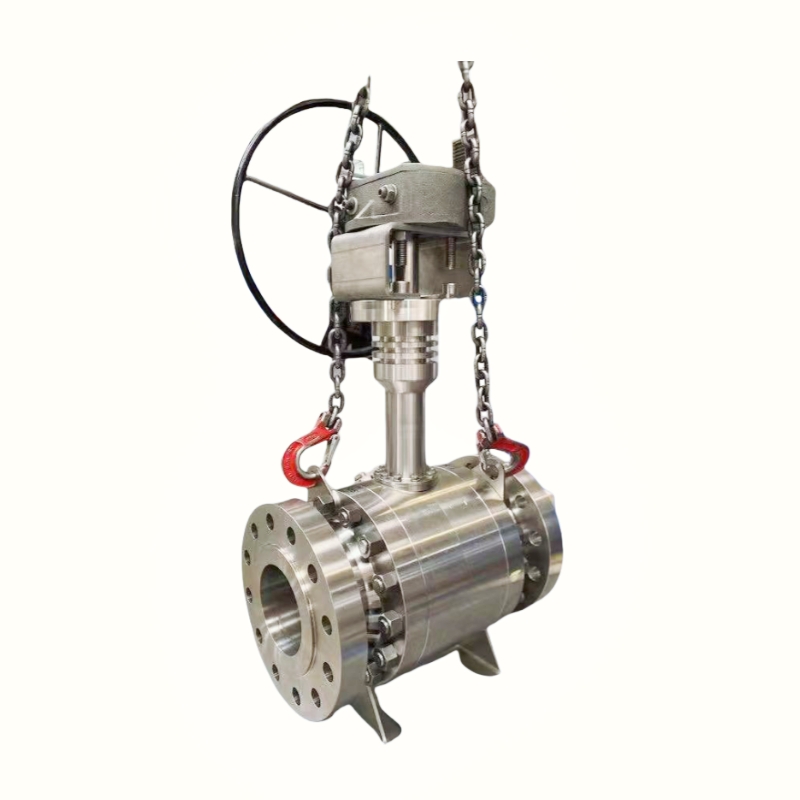
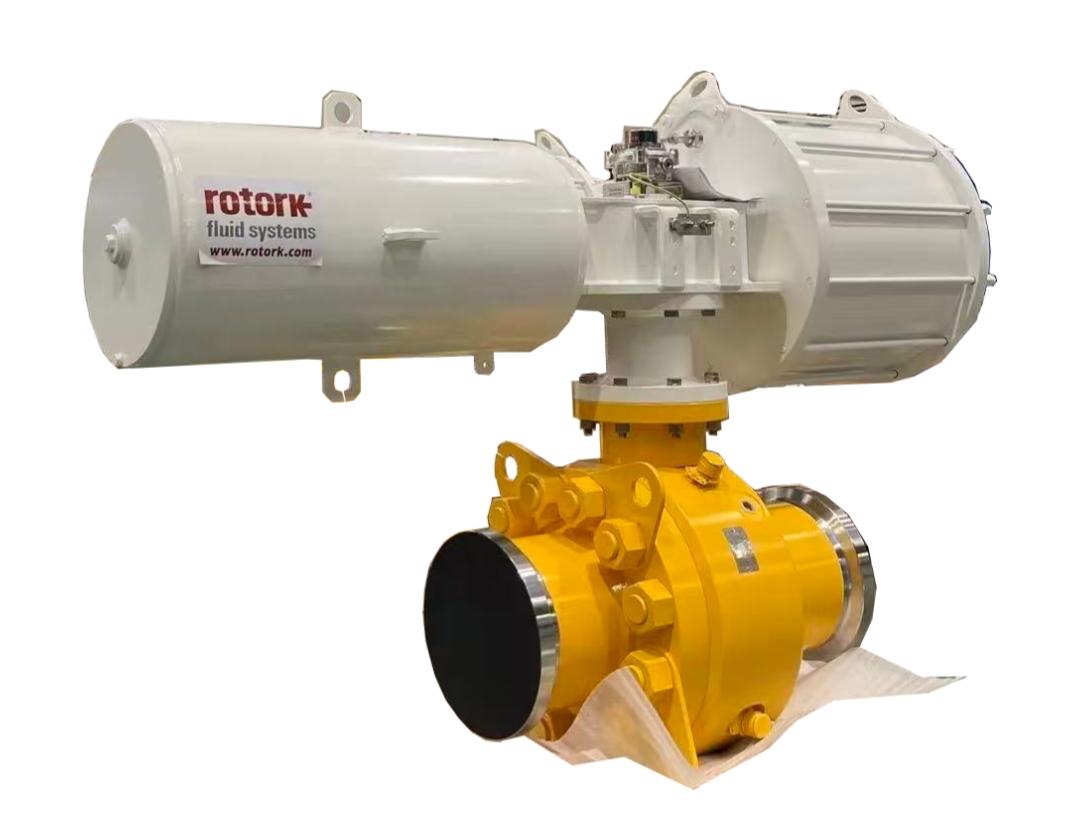
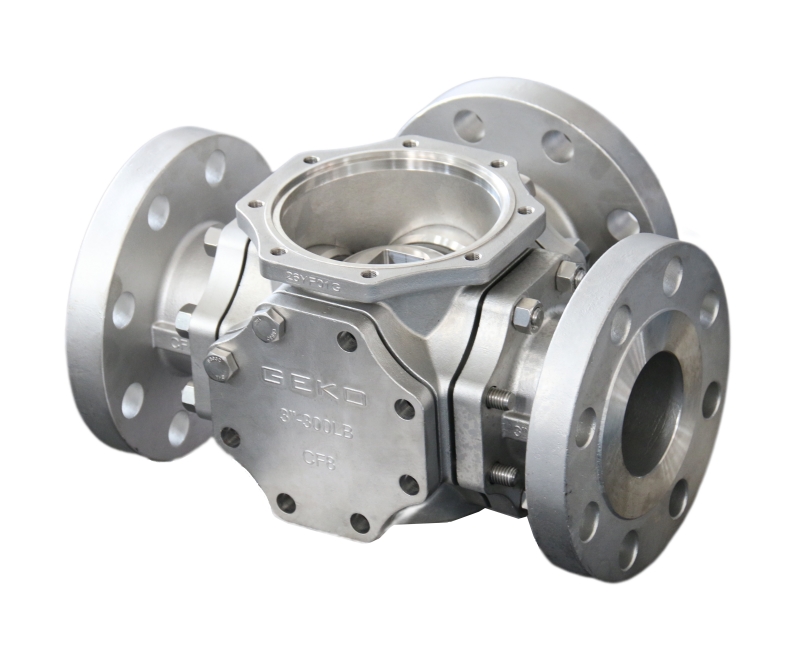
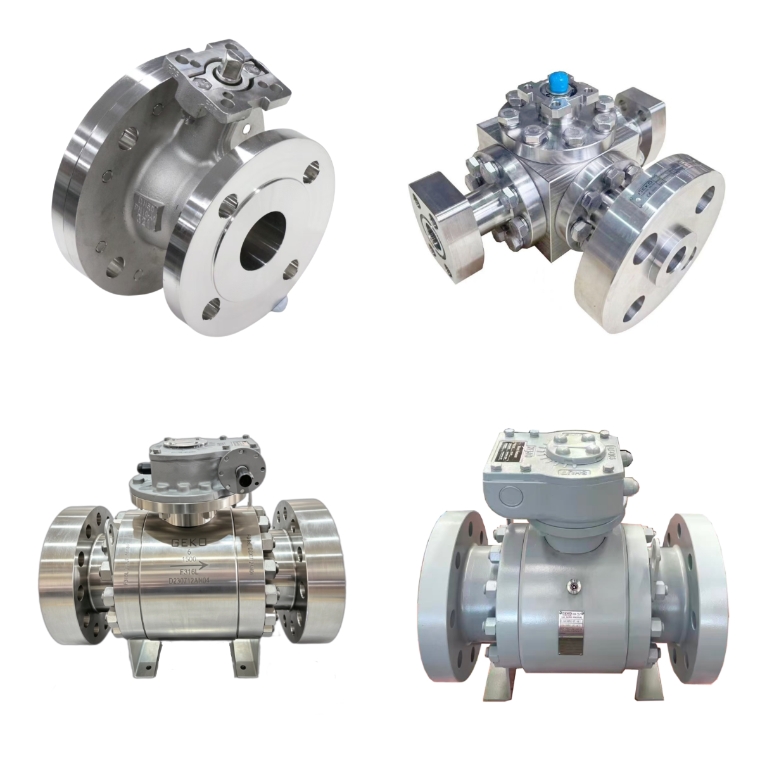
      When it comes to regulating fluid flow in industrial systems, choosing the right type of control valve is crucial. Two primary types of control valves are rotary control valves and linear control valves, both offering distinct advantages depending on the application. This article highlights the key differences between these two types, with a focus on GEKO's Rotary Control Valves, known for their high precision and robust performance.   What is a Rotary Control Valve?   A rotary control valve is a type of control valve that uses rotating components, such as a butterfly valve or ball valve, to regulate fluid flow. The valve operates by rotating the valve core, typically by 90 degrees, to control the fluid’s path. This design is highly efficient, especially for fast-opening or rapid flow control. In contrast, a linear control valve (e.g., globe valves and gate valves) operates with linear motion, where the valve stem moves up or down to open or close the valve. These types of valves are commonly used for precise, smaller adjustments to fluid flow.   Structural Differences: Rotary vs. Linear Control Valves   The design of a rotary control valve is compact and consists of a rotating component (like a butterfly or ball) and a pneumatic or electric actuator. This design allows for smoother, quicker adjustments and is ideal for applications requiring larger flow control with minimal space constraints. In contrast, linear control valves are typically more complex, consisting of several parts, including a valve stem, valve plug, and seat. The movement of the stem controls the opening and closing of the valve, making it suitable for applications that demand fine adjustments but with a more intricate structure.   Operating Principles: Efficiency and Response Time   Rotary control valves, such as those offered by GEKO, regulate flow by altering the cross-sectional area of the flow path through rotating components. This allows for fast response times, making them ideal for applications that require quick on/off switching or continuous flow adjustments. These valves excel in industries such as oil & gas, water treatment, and chemical processing, where quick response and large flow control are critical. On the other hand, linear control valves adjust the flow by moving the valve plug or disk in a linear motion to change the flow area. While they provide high precision and are excellent for fine flow adjustments, they tend to have slower response times, making them more suitable for scenarios where fine control over small flow rates is needed.   Key Performance Characteristics: Flexibility and Precision   Rotary control valves offer several key advantages, including: Wide adjustable range (up to 150:1) High flow capacity Low pressure drop Excellent resistance to cavitation Tight shutoff capabilities These features make rotary control valves perfect for large-diameter pipes, high-flow systems, and applications involving slurries, corrosive media, or those requiring fast shutoff. In comparison, linear control valves excel in precision and linearity. They provide greater accuracy in flow control but have a smaller adjustable range and generally exhibit higher pressure drops. These valves are ideal for applications where fine control over small flows or high-pressure differences is essential, such as in the pharmaceutical and fine chemical industries.   Applications: Which Valve to Choose?   Rotary Control Valves are widely used in industries that require high-flow control or in environments where quick shutoff is necessary. Typical applications include: Refining and chemical processing Water treatment plants Oil & gas industries Handling slurries or aggressive chemicals Linear Control Valves are ideal for situations that demand high-precision control of fluid flow. Common applications include: Pharmaceutical manufacturing Fine chemical production Power plants HVAC systems GEKO’s Rotary Control Valves are designed to meet the demands of industries that require both precision and durability in large-scale flow control. With advanced features and robust construction, GEKO rotary control valves provide a superior solution for applications that involve corrosive substances, high flow rates, and fast actuation.   Conclusion: GEKO’s Rotary Control Valves vs. Linear Control Valves   Both rotary and linear control valves offer distinct benefits, depending on the needs of the application. GEKO's Rotary Control Valves are designed for industries that require quick, large-flow regulation and tight shutoff capabilities. Their compact design and efficient performance make them a top choice for oil & gas, chemical processing, and water treatment systems. In contrast, linear control valves are best for industries where fine flow control and high precision are paramount. Whether you require GEKO’s high-performance rotary control valves for rapid flow adjustments or need a linear valve for precise flow regulation, selecting the right valve type is essential for optimizing system performance. For industries that demand reliability, GEKO Rotary Control Valves are the optimal choice for seamless operation and long-term durability.    
    Read More
  • Exploring the Rotary Globe Control Valve: Design, Structure, and Applications
    Exploring the Rotary Globe Control Valve: Design, Structure, and Applications
    Jan 09, 2026
    Comprehensive Guide to the Rotary Globe Control Valve: Design, Structure, and Applications. Discover the design, structure, and applications of the Rotary Globe Control Valve. Learn how this high-precision valve ensures optimal flow control in industries such as chemical processing, oil & gas, and HVAC.   Introduction   The Rotary Globe Control Valve is a vital component in fluid control systems, offering precise regulation of flow, pressure, and temperature. With its superior design and versatility, this valve has become a go-to solution across various industries, including chemical processing, oil & gas, water treatment, and HVAC. In this article, we will explore the design, structure, and applications of the Rotary Globe Control Valve, and how it contributes to optimized flow control.   Design of the Rotary Globe Control Valve   The Rotary Globe Control Valve combines the best features of both rotary and globe valves to offer a unique design that enhances precision and performance. The valve uses a rotary motion to control fluid flow, which is known for its smooth, consistent movement. This design provides an advantage in applications that require fine adjustments and highly accurate control over flow rates. Rotary Motion: The valve’s body typically has a rotary valve plug or ball that rotates to open or close the valve, allowing for smooth control of flow. Precision Adjustment: This valve offers high accuracy in flow regulation, making it ideal for precise applications such as chemical processing, where small changes in flow can have a significant impact. Flow Path Design: The flow path inside the valve is designed for minimal resistance, ensuring that fluids move smoothly without turbulence or obstruction.   Structure of the Rotary Globe Control Valve   The Rotary Globe Control Valve is structured with several critical components that work together to ensure optimal performance and durability. These components include: Valve Body:The body is typically made from durable materials such as 316 Stainless Steel, Monel, or Carbon Steel, depending on the application’s requirements. The robust body ensures the valve can withstand high-pressure, high-temperature, or corrosive environments. Valve Plug:The valve plug is a critical component, typically a rotary ball or plug, that rotates to adjust the valve’s opening. This design allows for better control over flow rates compared to linear motion valves. Actuator:The actuator drives the valve plug’s rotation. It can be powered either pneumatically, electrically, or hydraulically, depending on the system’s needs. The actuator’s responsive movement ensures the valve can adjust quickly to control flow accurately. Sealing Materials:The valve uses high-quality sealing materials, such as PTFE or EPDM, to prevent leakage and maintain system pressure. These materials ensure that the valve operates efficiently and reliably over a long period. Positioner:A positioner may be used to ensure precise positioning of the valve plug and monitor the valve’s performance in real-time. Applications of the Rotary Globe Control Valve   The Rotary Globe Control Valve is widely used in industries that require precise control of fluid flow, especially where minimal deviation in flow rates is essential for process stability. Some of the common applications include: Chemical Processing:In chemical plants, precise flow control is crucial for maintaining the integrity of chemical reactions. The Rotary Globe Control Valve is ideal for adjusting the flow of gases, liquids, and other reactive substances in pipelines and reactors. Oil & Gas:The valve is extensively used in the oil and gas industry to control the flow of oil, gas, and associated fluids through pipelines and processing equipment. The rotary design allows for efficient operation even under high-pressure conditions. HVAC Systems:In heating, ventilation, and air conditioning (HVAC) systems, the Rotary Globe Control Valve plays a crucial role in maintaining airflow and regulating temperature. It helps maintain optimal conditions within buildings by accurately controlling the flow of air or water in heating and cooling systems. Water Treatment:The valve is employed in water treatment plants to regulate the flow of water and chemicals used in filtration and purification processes. It ensures that the water flow remains constant, allowing for efficient treatment. Power Generation:In power plants, the Rotary Globe Control Valve is used in steam and cooling water systems to maintain optimal flow rates, ensuring efficient energy production. Advantages of the Rotary Globe Control Valve   Precise Control:The rotary motion provides better control over flow adjustments, making it ideal for applications where precision is critical. Reduced Wear and Tear:The smooth, continuous rotation reduces friction, minimizing wear on the valve components and extending its lifespan. Versatility:The valve is suitable for a wide range of applications, including high-pressure, high-temperature, and corrosive environments. Easy Maintenance:With fewer moving parts compared to traditional linear valves, the Rotary Globe Control Valve is easier to maintain, reducing operational downtime. The Rotary Globe Control Valve is an essential tool in industries that require precise flow regulation. Its advanced design, durable structure, and versatile applications make it an ideal solution for industries such as chemical processing, oil & gas, water treatment, and HVAC. GEKO’s Rotary Globe Control Valve delivers exceptional performance, ensuring that fluid systems operate efficiently and reliably.
    Read More
  • GEKO’s Latest Shipment of 3" Forged Steel Gate Valves to Egyptian Oil Company
    GEKO’s Latest Shipment of 3" Forged Steel Gate Valves to Egyptian Oil Company
    Dec 27, 2025
    At GEKO, we are committed to providing high-quality valves for critical industries worldwide. Recently, we shipped a batch of our 3" Forged Steel Gate Valves to a major oil company in Egypt. These valves are ideal for use in demanding oil and gas environments, offering reliable performance and safety.         These Valves 3" Forged Steel-Gate Valves (Bolted Bonnet, Class 900) is designed to handle high-pressure systems with ease. Here’s why it's a trusted choice for the oil and gas sector:   ASTM A105 Material: Made from high-quality ASTM A105 forged steel, these valves are built to last, offering excellent resistance to pressure and temperature. Reinforced Teflon Seats: The reinforced Teflon seats ensure a tight seal and reduce the risk of leaks, making it a safe and reliable choice for oil pipelines. Fire-Safe Design: Safety is paramount, and our fire-safe gate valve is designed to perform even in extreme conditions, preventing leaks in the event of a fire. Full Porta Conventional Wedge Gate Valve: The full port design allows for better flow, while the conventional wedge gate valve provides smooth operation and durability. Flange Ends: The flanged ends make it easy to install and integrate into existing pipeline systems, which are common in the oil industry.   Other Valves for the Oil & Gas Industry   At GEKO, we also offer other valves specifically designed for the oil and gas sector, including: Ball Valves: Ideal for on/off control, offering high performance and easy operation. Globe Valves: Perfect for regulating and throttling fluid flow. Check Valves: Essential for preventing backflow in pipelines, ensuring one-way flow.   If you need high-quality valves for your next project, GEKO has the perfect solution.
    Read More
  • New Shipment - GEKO API 6D Trunnion Mounted Ball Valves
    New Shipment - GEKO API 6D Trunnion Mounted Ball Valves
    Dec 26, 2025
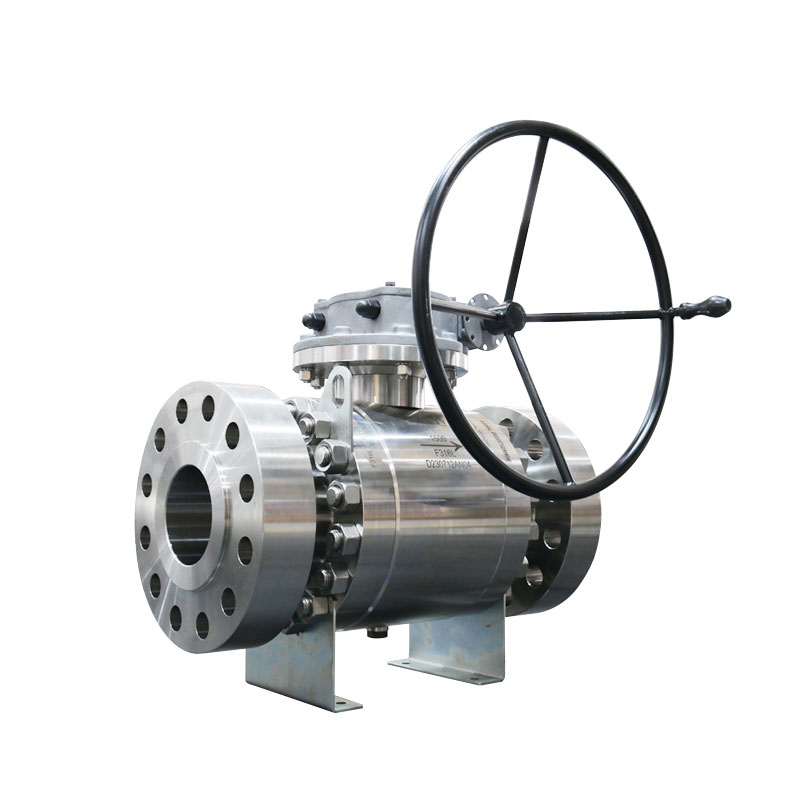
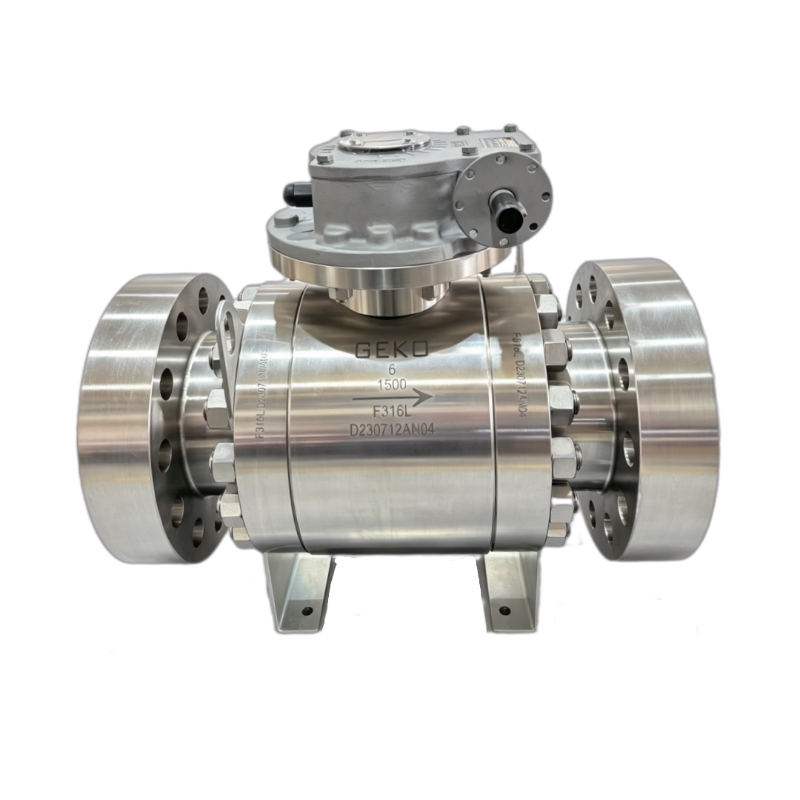
    GEKO Valves has successfully supplied a series of API 6D Trunnion Mounted Ball Valves and Check Valves for high-pressure pipeline and process applications. This shipment covers multiple valve sizes and configurations, all designed and manufactured in strict accordance with international standards, ensuring reliability, safety, and long-term performance in critical services.     This article summarizes the key technical features, materials, and standards of the delivered valves, providing a clear reference for engineers, EPC contractors, and end users.     API 6D Trunnion Mounted Ball Valves (Class 600) 4” Trunnion Mounted Ball Valve – Full Bore, Class 600 The 4-inch API 6D trunnion mounted ball valve is designed for high-pressure isolation duties in oil & gas transmission pipelines. Key Technical Features: Size: 4” Bore: Full Bore Design: Trunnion Mounted Ball Valve Construction: Three / Two Pieces Side Entry Technology: Double Block and Bleed (DBB) Single Ball with Double Isolation / Double Seats Internal Check Valve for sealant system Secondary Sealant Injection on stem and seat plugs Vent & Drain Connections as per API 6D Fire Safe Design in accordance with API 6FA / API 607 Antistatic Device and Anti-Blow Out Stem Operation: Gearbox with Locking Device   Standards & Ratings: Design Standard: API 6D Pressure Class: ASME Class 600 End Connections: Flanged RF – ASME B16.5 Face to Face: API 6D Materials: Body: ASTM A105N Ball: Duplex Stainless Steel ASTM A182 F51 Stem / Trunnion: Duplex F51 Seat: Tungsten Carbide Hard-Faced Spring: Inconel X750 Gland Packing: Graphite O-Rings: Viton Bolting: ASTM A193 B7 / A194 2H     6” Trunnion Mounted Ball Valve – Full Bore, Class 600 The 6-inch API 6D trunnion mounted ball valve shares the same high-integrity design philosophy and is suitable for large-diameter pipeline applications. Main Specifications: Size: 6” Pressure Rating: 600 LB Bore: Full Bore End Connections: RF x RF, ASME B16.5 Construction: Three / Two Pieces Side Entry DBB with Single Ball (Double Seats) Internal Check Valve Secondary Sealant Injection System Vent & Drain Connections Fire Safe: API 6FA / API 607 Antistatic & Anti-Blow Out Stem Operation: Gearbox with Locking Device Materials: Body: ASTM A105N Ball: Duplex ASTM A182 F51 Stem / Trunnion: Duplex F51 Seat: Tungsten Carbide Hard-Faced Spring: Inconel X750 Packing: Graphite O-Rings: Viton Bolting: ASTM A193 B7 / A194 2H   1” High-Pressure Ball Valve – 800 LB GEKO also delivered a 1-inch high-pressure ball valve, designed for compact installations requiring high integrity sealing. Technical Highlights: Size: 1” Pressure Rating: 800 LB Bore: Full Bore Connection: Long Nipple, SW x FNPT Body Material: Carbon Steel Trim: Duplex Stainless Steel Seals: Viton A Plug, Vent & Drain locations as per API 6D Replaceable Seats Seat & Stem Sealant Injection System(with internal check valve where applicable) Fire Safe: API 6FA / API 607 Antistatic Device & Anti-Blow Out Stem Bolting: ASTM A193 B7 Ready for Locking Device Installation     API 594 Wafer Lugged Check Valve – Class 600 In addition to ball valves, GEKO supplied API 594 wafer lugged check valves for reliable backflow prevention. Specifications: Type: Wafer Lugged Check Valve Pressure Rating: ASME Class 600 Installation: Between Raised Face Flanges Design Standard: API 594 Materials: Body: ASTM A216 WCB Plates: Duplex ASTM A182 F51 Trim: Duplex ASTM A182 F51 Seat: Metal-to-Metal Pins / Retainers: Duplex F51 Spring: Inconel X750
    Read More
  • Feed Water Pump Recirculation Valve - Thermal Power Plant
    Feed Water Pump Recirculation Valve - Thermal Power Plant
    Dec 19, 2025
    Boiler Feed Water Pump Protection Solution -Thermal Power Plant| GEKO Valves       The Feed Water Pump Recirculation Valve is a critical protection valve designed to maintain the minimum required flow through boiler feed water pumps during low-load, startup, or shutdown conditions. By automatically diverting excess flow back to the feed water tank or deaerator, the valve prevents overheating, cavitation, vibration, and premature pump failure. GEKO Feed Water Pump Recirculation Valves are engineered for high-pressure and high-temperature boiler feed water systems, ensuring safe and reliable pump operation in power plants and industrial facilities.     Key Applications Thermal power plants Combined cycle power plants Boiler feed water systems High-pressure industrial boilers Petrochemical and refinery utility systems Desalination and water treatment plants   Main Functions Maintain minimum flow protection for feed water pumps Prevent pump overheating under low flow conditions Reduce cavitation, erosion, and vibration Extend pump and system service life Improve overall system reliability   Product Features & Advantages Automatic operation without external power or control system Accurate minimum flow control based on pump requirements Anti-cavitation and low-noise trim design Suitable for high pressure and high temperature service Long service life with minimal maintenance Available in forged steel, carbon steel, and alloy steel materials Designed in accordance with API, ASME, and power industry standards   Typical Technical Design Automatic recirculation or minimum flow control structure Multi-stage pressure reduction trim (optional) Integral orifice for stable flow control Horizontal or vertical installation options Flanged or welded end connections   Common Problems & GEKO Solutions   Problem 1: Feed Water Pump Overheating Low flow conditions cause rapid temperature rise inside the pump. GEKO Solution:The valve automatically opens to ensure continuous minimum flow, keeping pump temperature within safe limits.   Problem 2: Cavitation and Internal Erosion Insufficient flow leads to vapor formation and component damage. GEKO Solution:Optimized flow path and anti-cavitation trim reduce pressure drop and cavitation risk.   Problem 3: Excessive Vibration and Noise Unstable hydraulic conditions shorten pump and piping life. GEKO Solution:Stable flow regulation minimizes turbulence, vibration, and operational noise.   Problem 4: Manual Bypass Valve Failure Manual bypass valves depend on operator intervention and may be left closed or incorrectly adjusted. GEKO Solution:Fully automatic operation eliminates human error and ensures continuous protection.     Feed Water Pump Recirculation Valve,Boiler Feed Water Pump Protection Valve,Minimum Flow Control Valve,Feed Water Pump Bypass Valve,Automatic Recirculation Valve,Power Plant Feed Water Valve   Contact GEKO Valves Our engineering team is ready to support your boiler feed water pump protection requirements.
    Read More
  • The Working Principle Of Electric Control Valve
    The Working Principle Of Electric Control Valve
    Jun 04, 2022
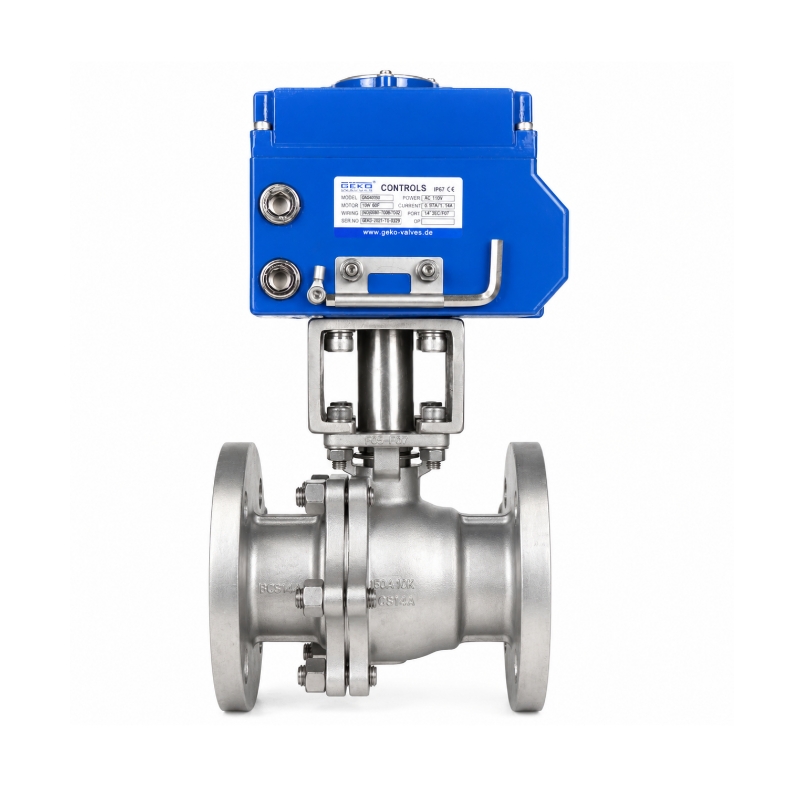
    Electric control valve is an important execution unit instrument in industrial automation process control. The structure is composed of an electric actuator and a regulating valve after being connected and combined by mechanical connection, assembly, debugging and installation to form an electric control valve. The electric control valve is the core instrument for adjusting the temperature and pressure of the medium in the pipeline, and its performance directly affects the safe operation of the entire system.   1. The Basic Structure Of Electric Control Valve The upper part of the electric control valve is the actuator, which accepts the 0~10mADC or 4~20mADC signal output by the regulator, converts it into the corresponding linear displacement, and pushes the lower control valve to act to directly adjust the flow of the fluid. The actuators of various types of electric control valves are basically the same, but the structure of the control valve (adjustment mechanism) is many types due to different conditions of use.   2. The Basic Structure Of Electric Actuator Its electric actuator is mainly composed of an isolated electrical part and a transmission part, and the motor is used as an intermediate part connecting the two isolated parts. The motor of the electric control valve outputs the torque according to the control requirements, and transmits it to the trapezoidal screw through the multi-stage spur gear, and the trapezoidal screw converts the torque into the thrust through the thread. The trapezoidal screw thus transmits the linear travel to the valve stem via the self-locking output shaft. The output shaft of the actuator has a non-rotating ring to prevent transmission, and the radial locking device of the output shaft can also be used as a moving position indicator. A flagpole is connected to the stop ring of the output shaft, the flagpole runs synchronously with the output shaft, and the displacement of the output shaft is converted into an electrical signal through the rack plate connected with the flagpole, which is provided to the intelligent control board as a comparison signal and valve position feedback output. At the same time, the stroke of the electric actuator can also be limited by the two main limit switches on the rack plate, and protected by two mechanical limits.   3. Working Principle Of Electric Actuator The compact electric actuator takes the electric motor as the driving source and the direct current as the control and feedback signal. When there is a signal input at the input end of the controller, the signal is compared with the position signal. When the deviation value of the two signals is greater than the specified dead zone, the controller generates power output and drives the servo motor to rotate to make the output shaft of the reducer Rotate in a direction to reduce this deviation until the deviation is less than the deadband. At this time, the output shaft is stabilized at the position corresponding to the input signal.   4. Controller Structure The controller consists of the main control circuit board, sensors, operating buttons with LEDs, split-phase capacitors, wiring terminals, etc. The intelligent servo amplifier is based on a dedicated single-chip microprocessor, and converts the analog signal and the valve position resistance signal into a digital signal through the input loop. The microprocessor displays the result and outputs the control signal after passing the artificial intelligence control software according to the sampling result.
    Read More

  • The Working Principle And Advantages Of Plug Valve
    The Working Principle And Advantages Of Plug Valve
    Jun 04, 2022
    The plug valve uses a plug with a through hole as a valve for the opening and closing parts. The cock rotates with the valve stem to realize the opening and closing action. Small unpacked plug valves are also known as "cocks". The plug of the plug valve is mostly a cone (also a cylinder). It cooperates with the conical hole surface of the valve body to form a sealing pair. The plug valve is the earliest type of valve. The plug valve has a simple structure, small external dimensions, fast opening and closing, and small fluid flow resistance, but the sealing surface is processed and maintenance is more difficult. The ordinary plug valve is sealed by the direct contact between the finished metal plug body and the valve body, so the sealing performance is poor, the opening and closing force is large, it requires a large rotating torque, and it is easy to wear. Usually only used for low pressure (<1MPa), small diameter (<100mm) and low temperature (<150 degrees Celsius). It is not suitable for high temperature. When the temperature changes greatly, it is easy to get stuck.   The Main Advantages Of The Plug Valve Are As Follows:   1. The plug valve is used for frequent operation, and it opens and closes quickly and easily. 2. The fluid resistance of the plug valve is small. 3. The plug valve is simple in structure, relatively small in size, light in weight, and easy to maintain. 4. Not limited by the installation direction, the flow direction of the medium can be arbitrary. 5. No vibration and low noise.   The plug valve, also known as the swivel door, is a quick-opening valve. According to its shunt situation, it is divided into straight-through type, three-way type, four-way type and so on. The straight-through type controls the flow of the medium on the straight pipe section, and the three-way type and the four-way type can be used to distribute the medium and change its flow direction. The working principle of the cock is that the cock body rotates around the center line of the valve body, and the purpose of opening and closing is achieved by the corresponding relationship between the port on the cock body and the ports at both ends of the valve body. The advantage of the cock is that it is easy to operate, open and close quickly, the resistance is small, the flow rate is large, the structure is simple, and the external dimension is small; The valve core may be deformed at high temperature and easily stuck at high temperature and high pressure.   The Plug Valve Is Often Used In The Following Pipelines:   The plug valve is mostly used for medium with lower temperature, and is often used in: 1. The pipeline needs to be fully opened and fully closed quickly. 2. Low pressure container liquid level indicator. 3. Places that are not frequently operated or used as inspections.
    Read More
  • Classification Of Ball Valves
    Classification Of Ball Valves
    Jun 04, 2022
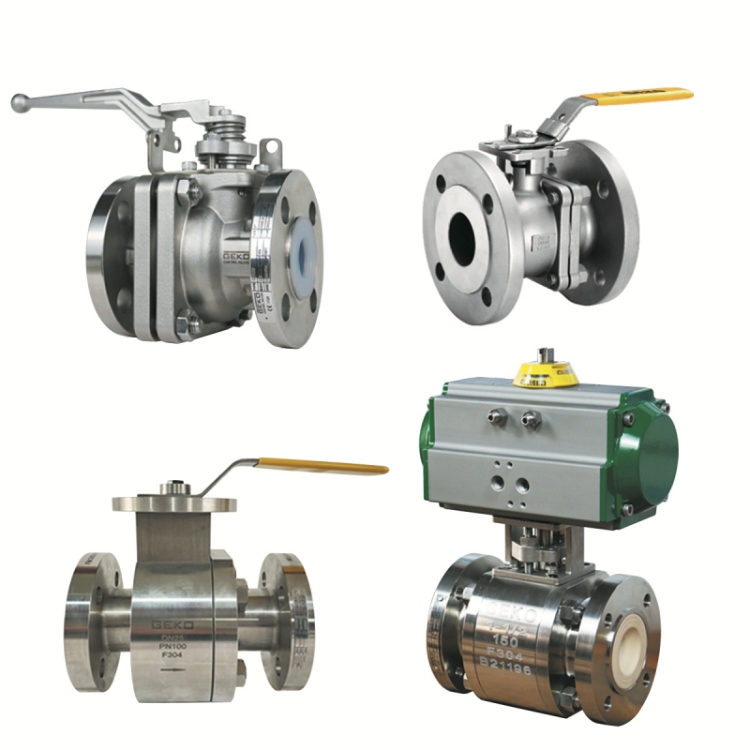
    The opening and closing part of the ball valve is a sphere with a circular channel, which rotates around an axis perpendicular to the channel, and the sphere rotates with the valve stem to achieve the purpose of opening and closing the channel. The ball valve can be closed tightly with only a 90-degree rotation operation and a small torque. Different drive devices can be assembled to form ball valves with different control methods according to the needs of working conditions, such as electric ball valves, pneumatic ball valves, hydraulic ball valves and so on.   According to the structure can be divided into:   1. Floating Ball Valve   The ball of the ball valve is floating. Under the action of the medium pressure, the ball can produce a certain displacement and press tightly on the sealing surface of the outlet end to ensure the sealing of the outlet end.   The structure of the floating ball valve is simple and the sealing performance is good, but the load of the ball bearing the working medium is all transferred to the outlet sealing ring, so it is necessary to consider whether the sealing ring material can withstand the working load of the ball medium. This structure is widely used in medium and low pressure ball valves.   2. Fixed Ball Valve   The ball of the ball valve is fixed and does not move after being pressed. The fixed ball valve has a floating valve seat. After being pressurized by the medium, the valve seat moves, so that the sealing ring is tightly pressed on the ball to ensure the sealing. Bearings are usually installed on the upper and lower shafts with the ball, and the operating torque is small, which is suitable for high-pressure and large-diameter valves.   In order to reduce the operating torque of the ball valve and increase the availability of the seal, oil-sealed ball valves have appeared in recent years. Special lubricating oil is injected between the sealing surfaces to form an oil film, which not only enhances the sealing performance, but also reduces the operation. torque, more suitable for high-pressure and large-diameter ball valves.   3. Elastic Ball Valve   The ball of the ball valve is elastic. Both the ball and the valve seat sealing ring are made of metal materials, and the sealing specific pressure is very large. According to the pressure of the medium itself, the pressure cannot meet the sealing requirements, and external force must be applied. This valve is suitable for high temperature and high pressure medium.   The elastic sphere is obtained by opening an elastic groove at the lower end of the inner wall of the sphere to obtain elasticity. When the channel is closed, the wedge head of the valve stem is used to expand the ball and compress the valve seat to achieve sealing. Before turning the ball, loosen the wedge head, and the ball will return to its original shape, so that there is a small gap between the ball and the valve seat, which can reduce the friction and operating torque of the sealing surface.   Commonly used ball valve classification methods are as follows:   According to the size of the pressure: high pressure ball valve, medium pressure ball valve, low pressure ball valve   By flow channel type: full-bore ball valve, reduced-bore ball valve   By channel position: straight-through, three-way, right-angle   According to the temperature: high temperature ball valve, normal temperature ball valve, low temperature ball valve, ultra-low temperature ball valve   According to the sealing form: soft sealing ball valve, hard sealing ball valve   Assembly by stem: top entry ball valve, side entry ball valve   According to the connection form: flanged ball valve, welded ball valve, threaded ball valve, clamp ball valve   According to the driving method: manual ball valve, automatic control ball valve (pneumatic ball valve, electric ball valve, hydraulic ball valve)   By caliber size: super large diameter ball valve, large diameter ball valve, medium diameter ball valve, small diameter ball valve.
    Read More
  • What is the Difference Between Ball Valve and Butterfly Valve?
    What is the Difference Between Ball Valve and Butterfly Valve?
    Jun 04, 2022
    The biggest difference between the butterfly valve and the butterfly valve is that the opening and closing part of the butterfly valve is a plate, while the ball valve is a ball. Lifting motion; butterfly valve and gate valve can adjust the flow through the opening degree; ball valve is not convenient to do this.   1. The characteristics of ball valve and butterfly valve are different   Butterfly valve is characterized by fast opening and closing speed, simple structure and low cost, but its tightness and pressure bearing capacity are not good. The characteristics of the ball valve are similar to that of the gate valve, but due to the limitation of volume and opening and closing resistance, it is difficult to achieve a large diameter.   2. The structure principle of ball valve and butterfly valve is different   The structure principle of the butterfly valve is especially suitable for making the butterfly plate of the large-diameter valve butterfly valve installed in the diameter direction of the pipeline. In the cylindrical passage of the butterfly valve body, the disc-shaped butterfly plate rotates around the axis, and the rotation angle is between 0° and 90°. When it rotates to 90°, the valve is fully open. The structure is simple, the cost is low, and the adjustable range is large. Ball valves are usually suitable for liquids and gases without particles and impurities. The fluid pressure loss is small, the sealing performance is good, and the cost is high. In comparison, the sealing of ball valves is better than that of butterfly valves.     The ball valve seal depends on the valve seat being squeezed on the spherical surface for a long time. It must wear faster than the hemispherical valve. The seal of the ball valve is usually made of flexible materials, and it is difficult to use in high temperature and high pressure pipelines. Butterfly valve seal is mediated by rubber, which is far from the metal hard sealing performance of hemispherical valve, ball valve and gate valve. After long-term use of the hemispherical valve, the valve seat will also have a small amount of wear. It can continue to be used through adjustment. The valve stem and packing only need to rotate 90° during the opening and closing process. When there are signs of leakage, press the packing gland again. A few bolts can achieve no leakage at the packing, while other valves are still barely used for small leakage, and the valve is replaced with a large leakage.   In the process of opening and closing, the ball valve operates under the holding force of the valve seats at both ends. It has a larger opening and closing torque than the half-ball valve. The larger the nominal diameter, the more obvious the opening and closing torque difference. The opening and closing of the butterfly valve is to overcome the deformation of the rubber. To achieve, the torque is greater. The gate valve and globe valve operate for a long time and are laborious. Ball valve and plug valve are the same type of valve, only its closing part is a sphere, and the sphere rotates around the center line of the valve body to open and close a valve. Ball valves are mainly used to cut off, distribute and change the flow direction of the medium in the pipeline.   3. The application fields of ball valve and butterfly valve are different   At present, butterfly valve, as a component used to realize on-off and flow control of pipeline system, has been widely used in many fields such as petroleum, chemical industry, metallurgy, hydropower and so on. In the known butterfly valve technology, the sealing form mostly adopts the sealing structure, and the sealing material is rubber, polytetrafluoroethylene, etc. Due to the limitation of structural characteristics, it is not suitable for industries such as high temperature resistance, high pressure, corrosion resistance and wear resistance.   Ball valves can withstand high temperatures and pressures at relatively low cost. Therefore it is commonly used for water and gas applications. Due to their perfect durability and sealing properties, they provide excellent closing properties even after many years of use.
    Read More
  • Stainless Steel Flange Ball Valve Installation Steps And Advantages
    Stainless Steel Flange Ball Valve Installation Steps And Advantages
    Jun 04, 2022
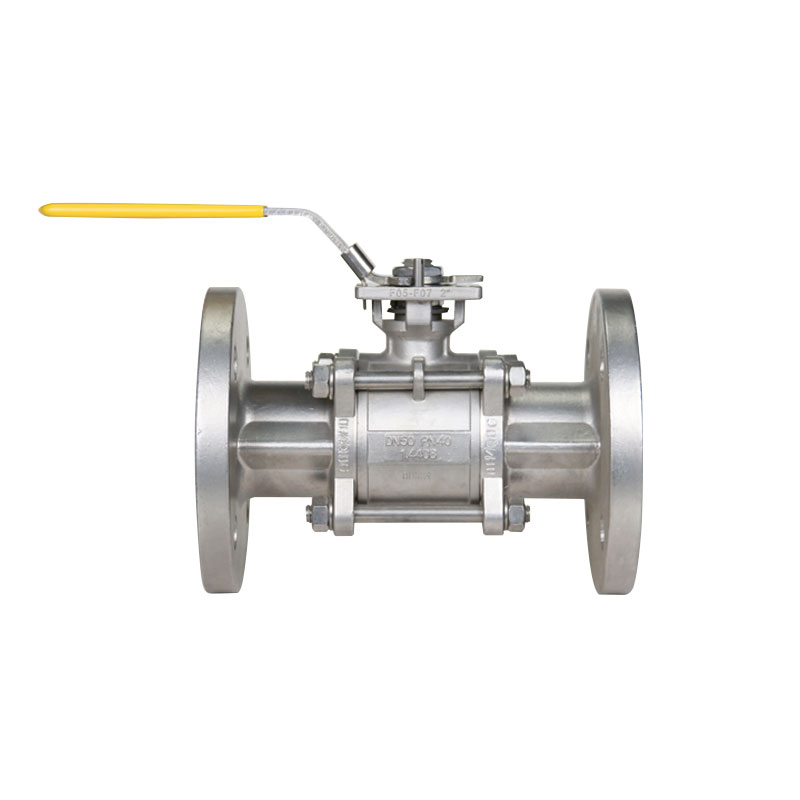
    Introduction Of Installation Steps Of Stainless Steel Flanged Ball Valve When the valve is hoisted, the rope should not be tied to the handwheel or valve stem, so as not to damage these parts, it should be tied to the flange. Before installation, the valve should be checked to check the specifications and models to identify whether there is any damage, especially for the valve stem. Turn it a few times to see if it is skewed, because during transportation, the valve stem is most likely to be skewed. Also remove debris from the valve. When installing the stainless steel flanged ball valves , pay attention to tightening the bolts symmetrically and evenly. The valve flange and the pipe flange must be parallel with a reasonable gap to prevent the valve from generating excessive pressure or even cracking. Special attention should be paid to brittle materials and valves with low strength. Valves that must be welded to the pipe should be spot welded first, then the closing parts should be fully opened, and then welded to death. When installing the screw valve, the sealing packing should be wrapped on the pipe thread, and do not get into the valve, so as not to accumulate in the valve and affect the flow of the medium. The pipeline connected to the flanged ball valve must be cleaned. Compressed air can be used to blow away mud sand, iron oxide filings, welding slag and other debris. These debris not only easily scratch the sealing surface of the valve, but also block the small valve and make it invalid.   Advantages Of Stainless Steel Flanged Ball Valve The opening and closing is convenient and quick, labor-saving, small fluid resistance, and can be operated frequently. Simple structure, small size and light weight. The mud can be transported, and the liquid accumulation at the pipe mouth is the least. Good adjustment performance with professional flanged ball valve manufacturers . The fluid resistance is small, and the full-bore ball valve basically has no flow resistance. Tight and reliable. It has two sealing surfaces, and various plastics are widely used for the sealing surface materials of the ball valve at present, which has good sealing performance and can achieve complete sealing. It has also been widely used in vacuum systems. Easy to operate, quick to open and close, only need to rotate 90° from fully open to fully closed, which is convenient for long-distance control.
    Read More
  • The Difference Between Knife Gate Valve And Gate Valve
    The Difference Between Knife Gate Valve And Gate Valve
    Jun 04, 2022
    There are many types of gate valves, and knife gate valve is one of them, also called knife style gate valve. Depending on the type of structure, gate valves can be divided into flat gate valves and knife gate valves. According to the different connection methods, the knife gate valve can be divided into flange type, lug type and wafer type.   Compared with ordinary gate valve, the structure of knife gate valve is simple. It is small in size, flexible in operation and easy to install. It is more suitable for medium with high consistency and solid particles. As can be seen from the name, the knife gate valve mainly relies on the blade-shaped gate to cut off the medium. The gate has two sealing surfaces forming a wedge shape. The gate can be made into an integral rigid gate; it can also be made into an elastic gate that can produce a small amount of deformation and improve the sealing performance from the process. To sum up, the knife gate valve mainly highlights the following product advantages compared with ordinary gate valves:   The U-shaped gasket has a good sealing effect. The full diameter design makes the medium passing ability strong. At the same time, under the condition of dirty medium, it is easy to install, disassemble and maintain, and the sealing part of the valve can be replaced without removing the valve, which makes the maintenance of the valve easier. The gate with gate knife function has good gate breaking effect, can effectively cut off all kinds of sundries in the medium, and solve the leakage phenomenon after gate breaking of media containing blocks, particles and fibers. The ultra-short structure length of the knife gate valve, small size, small flow resistance, light weight, material saving and small effective space occupation.   Although the price of bonneted knife gate valve is higher than that of ordinary gate valve, its good performance has been generally recognized by the market.   The Scope Of Use Of The Knife Gate Valve: Mining, coal washing, iron and steel industry -- used for coal washing and washing pipelines, slag filtering pipelines, etc., ash discharge pipelines; Purification device - used for waste water, mud, dirt and clarified water with suspended solids; Paper industry - used for any concentration of pulp, material-water mixture; Power station ash removal - used for ash slurry.   Knife Gate Valve Installation Precautions Before installing the knife gate valve, check the valve cavity and sealing surface and other parts, and no dirt or sand is allowed to adhere. The bolts of each connecting part should be tightened evenly. Check that the packing parts are required to be pressed tightly, not only to ensure the sealing performance of the packing, but also to ensure the flexible opening of the gate; Before installing the valve, the user must check the valve model, connection size and pay attention to the flow direction of the medium to ensure the consistency with the valve requirements; When installing the valve, the user must reserve the necessary space for the valve drive; The wiring of the drive device must be carried out according to the circuit diagram; The knife gate valve must be maintained regularly, and must not be collided and squeezed at will, so as not to affect the sealing.
    Read More
  • Classification and Working Principle of Butterfly Valve
    Classification and Working Principle of Butterfly Valve
    Jun 04, 2022
    Butterfly valve, also known as flap valve, is often used in pipelines for conveying various corrosive and non-corrosive fluid media in engineering systems such as generators, coal gas, natural gas, liquefied petroleum gas, hot and cold air, chemical smelting, etc., for regulating and cutting off flow of the medium.   1. The working principle of butterfly valve   A butterfly valve is a valve that uses a circular butterfly plate as an opening and closing member and rotates with the valve stem to open, close and adjust the fluid channel. The butterfly plate of the butterfly valve is installed in the diameter direction of the pipeline. In the cylindrical channel of the butterfly valve body, the disc-shaped butterfly plate rotates around the axis, and the rotation angle is between 0° and 90°. When it rotates to 90°, the valve is in a fully open state. By changing the deflection angle of the disc, the flow of the medium can be controlled.   2. Four types of butterfly valves   (1) Concentric butterfly valve   The structural feature of this kind of butterfly valve is that the shaft center of the valve stem, the center of the butterfly plate and the center of the body are in the same position. The structure is simple and the manufacture is convenient. Common rubber-lined butterfly valves belong to this category. The disadvantage is that due to the fact that the butterfly plate and the valve seat are always in a state of extrusion and scraping, the resistance distance is large and the wear is fast.   (2) Single eccentric butterfly valve   In order to solve the extrusion problem of the disc and the valve seat of the concentric butterfly valve, the single eccentric butterfly valve was produced. Its structural feature is that the shaft center of the valve stem deviates from the center of the butterfly plate, so that the upper and lower ends of the butterfly plate no longer become the rotation axis, which disperses and reduces the excessive extrusion between the upper and lower ends of the butterfly plate and the valve seat.   (3) Double offset butterfly valve   On the basis of the single eccentric butterfly valve, the most widely used double offset butterfly valve is further improved and formed. Its structural feature is that the shaft center of the valve stem deviates from the center of the disc and the center of the body. The effect of double eccentricity enables the disc to break away from the valve seat immediately after the valve is opened, which greatly eliminates unnecessary excessive extrusion and scratching of the disc and the valve seat, reduces the opening resistance, reduces wear, and improves the performance of the valve. Seat life.   (4) Triple offset butterfly valve   To withstand high temperature, a hard seal must be used, but the amount of leakage is large; to zero leakage, a soft seal must be used, but it is not resistant to high temperature. In order to overcome the contradiction of the double offset butterfly valve, the butterfly valve has been eccentric for the third time (deviation from the center line of the metal sealing surface). The structure is characterized in that the conical axis of the sealing surface of the butterfly plate is deviated from the cylinder axis of the body while the position of the double eccentric valve stem is eccentric. That is to say, after the third eccentricity, the sealing section of the disc is no longer a true circle, but an ellipse. The biggest feature of the triple offset butterfly valve is that the sealing structure is fundamentally changed. It is no longer a position seal, but a torsion seal; it does not rely on the elastic deformation of the valve seat, but completely relies on the contact surface pressure of the valve seat to achieve the sealing effect.
    Read More
1 2 3 4 5 6 7
A total of7pages

leave a message

leave a message
If you are interested in our products and want to know more details,please leave a message here,we will reply you as soon as we can.
submit

home

products

contact