Blog

Home

Blog

  • Smart Pneumatic Diaphragm Control Valve for Small Flow Rates with Heat Dissipation and Single-Seat Design
    Smart Pneumatic Diaphragm Control Valve for Small Flow Rates with Heat Dissipation and Single-Seat Design
    Jun 04, 2024
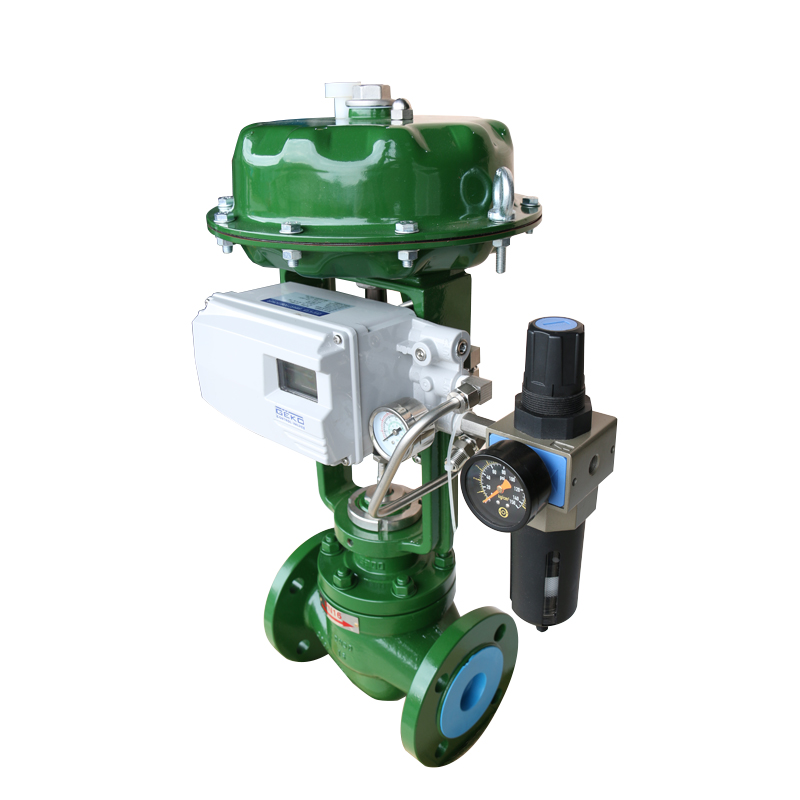
    Introduction In industrial process control, the precise regulation of fluid flow is crucial for maintaining efficiency, safety, and product quality. Among the various types of control valves, the pneumatic diaphragm control valve stands out for its reliability and versatility. This article focuses on the advanced features of a smart pneumatic diaphragm control valve designed specifically for small flow rates, incorporating heat dissipation and a single-seat design.       Key Features and Benefits 1. Precision Control for Small Flow Rates The smart pneumatic diaphragm control valve is engineered to manage small flow rates with high precision. This is essential in applications where minute adjustments in flow can significantly impact the process, such as in chemical dosing, laboratory testing, and fine chemical production. Enhanced Sensitivity: The valve's design ensures that even the smallest changes in diaphragm position result in accurate flow adjustments. Stable Performance: Advanced control algorithms and feedback systems ensure that the valve maintains stable flow rates even under varying process conditions. 2. Heat Dissipation Effective heat dissipation is critical to maintaining the performance and longevity of control valves, especially in high-temperature environments. Integrated Cooling Fins: The valve body is equipped with cooling fins that increase the surface area for heat exchange, thereby improving thermal dissipation. Thermally Resistant Materials: The use of high-temperature resistant materials in the valve's construction ensures durability and reliable performance under thermal stress. 3. Single-Seat Design The single-seat design of the valve provides several advantages in terms of sealing, maintenance, and performance. Tight Sealing: The single-seat design ensures a tight shutoff, minimizing leakage and enhancing process efficiency. Reduced Maintenance: Fewer moving parts and a simpler internal structure result in lower maintenance requirements and easier servicing. Improved Flow Characteristics: The single-seat design reduces turbulence and pressure drop across the valve, ensuring smooth flow control. Technological Advancements Smart Control System The integration of smart technology in the pneumatic diaphragm control valve brings a new level of automation and control. Digital Positioner: The valve is equipped with a digital positioner that provides precise control of the diaphragm position based on input signals from the control system. Remote Monitoring and Diagnostics: The smart control system allows for remote monitoring of valve performance and real-time diagnostics, enabling predictive maintenance and reducing downtime. Adaptive Control Algorithms: These algorithms automatically adjust valve operation to compensate for process variations, ensuring consistent performance. Compatibility with Modern Industrial Systems The smart pneumatic diaphragm control valve is designed to be compatible with contemporary industrial automation systems. Communication Protocols: The valve supports various industrial communication protocols such as HART, Profibus, and Foundation Fieldbus, facilitating seamless integration into existing control networks. Easy Integration: Standardized connection interfaces and mounting options ensure that the valve can be easily integrated into a wide range of systems and applications. Applications The smart pneumatic diaphragm control valve is ideal for a variety of applications that require precise flow control and reliable performance under challenging conditions. Chemical Processing: Accurate dosing and mixing of chemicals in production processes. Pharmaceutical Manufacturing: Precise control of ingredients and reactions in drug production. Food and Beverage: Ensuring consistent flow rates in the production of food and beverages. Laboratory and Research: Fine control of fluids in experimental setups and testing. Conclusion The smart pneumatic diaphragm control valve for small flow rates, with its heat dissipation capabilities and single-seat design, represents a significant advancement in control valve technology. Its precision, reliability, and compatibility with modern industrial systems make it an invaluable asset in various high-precision applications. By integrating smart control features and robust construction, this valve not only enhances process efficiency but also contributes to overall system safety and longevity.  
    Read More
  • Pneumatic Diaphragm Intelligent Cooling Fin Single Seat Control & Shut-Off Valve
    Pneumatic Diaphragm Intelligent Cooling Fin Single Seat Control & Shut-Off Valve
    Jun 04, 2024
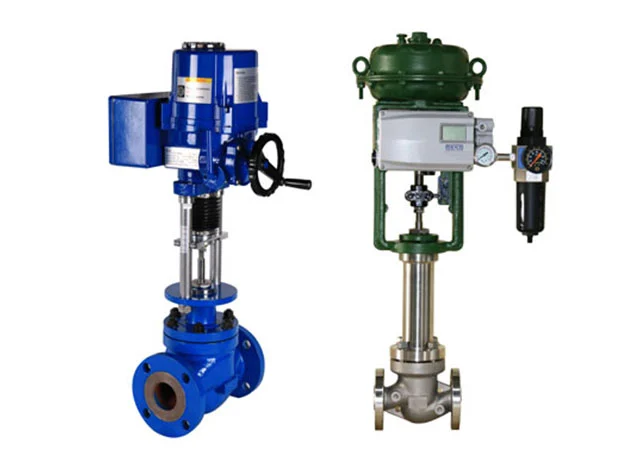
    The pneumatic diaphragm intelligent cooling fin single seat control and shut-off valve is a sophisticated and highly efficient component used in various industrial applications. This valve combines several advanced features, making it ideal for precise control and reliable shut-off operations in complex systems.   Key Features Pneumatic Diaphragm Actuation The valve is actuated by a pneumatic diaphragm, which ensures smooth and responsive operation. This type of actuation is known for its reliability and ability to provide fine control over the valve's positioning, making it suitable for applications requiring precise flow regulation. Intelligent Control Equipped with intelligent control capabilities, this valve can be integrated into automated systems for enhanced performance. It can communicate with control systems to adjust its position based on real-time data, ensuring optimal operation and efficiency. The intelligent control system also allows for remote monitoring and diagnostics, reducing downtime and maintenance costs. Cooling Fins The valve features cooling fins, which are designed to dissipate heat effectively. This is particularly important in high-temperature applications where maintaining a stable temperature is crucial for the system's performance and longevity. The cooling fins help prevent overheating and ensure the valve operates within safe temperature limits. Single Seat Design The single seat design of the valve provides a tight shut-off capability, minimizing leakage and ensuring reliable isolation of the flow when needed. This design is particularly beneficial in applications where complete shut-off is critical for safety or process integrity. Applications The pneumatic diaphragm intelligent cooling fin single seat control and shut-off valve is widely used in various industries, including: Chemical Processing : For precise control of chemical flow and ensuring safe shut-off during maintenance or emergency situations. Petrochemical : In refineries and petrochemical plants, where it controls the flow of various fluids and gases under high temperature and pressure conditions. HVAC Systems : To regulate and shut off the flow of refrigerants and other fluids, contributing to efficient temperature management. Power Generation : In power plants, for controlling steam and other critical fluids, ensuring efficient and safe operation of the system. Advantages Enhanced Precision : The pneumatic diaphragm actuation combined with intelligent control allows for highly accurate flow regulation. Improved Safety : The tight shut-off capability ensures that there is minimal leakage, enhancing the safety of the system. Thermal Management : Cooling fins effectively dissipate heat, protecting the valve and system components from thermal damage. Reduced Maintenance : Intelligent diagnostics and remote monitoring capabilities help in early detection of issues, reducing the need for frequent maintenance and minimizing downtime. In conclusion, the pneumatic diaphragm intelligent cooling fin single seat control and shut-off valve is a highly advanced and efficient solution for industrial flow control and shut-off applications. Its combination of precise control, reliable shut-off, effective heat dissipation, and intelligent monitoring makes it an invaluable component in modern industrial systems.  
    Read More
  • GEKO Valves Showcases Innovations in New Energy Hydrogen Applications at Valve World Asia Expo
    GEKO Valves Showcases Innovations in New Energy Hydrogen Applications at Valve World Asia Expo
    Jun 04, 2024
    On July 3-4, 2024, at the Valve World Asia Expo, GEKO Valves and Controls showcased their latest advancements in addressing the challenges posed by hydrogen in new energy applications. As hydrogen is increasingly recognized as an ideal future energy source, GEKO's innovations are set to make significant contributions to the industry.     In his keynote speech at the Valve World Expo seminar, Mr. Huang Wanzheng, General Manager of GEKO, emphasized the growing importance of valve technology in the application of special gases such as oxygen, nitrogen, and hydrogen. Hydrogen, with its high flammability and explosiveness, has very small molecules that can easily penetrate common sealing materials and cause leaks. Additionally, the transportation and storage of hydrogen often involve extreme temperatures and pressures, requiring exceptional safety and stability. These factors place stringent demands on the performance and airtightness of valves. To meet these challenges, GEKO Valves and Controls has developed new composite sealing materials with excellent corrosion resistance and sealing performance. They have also adopted advanced processing and grinding techniques to meet these stringent requirements. Moreover, GEKO actively explores the feasibility and alternatives of the latest materials in the international market to ensure the stable operation of their valves under extreme conditions.   GEKO's commitment to innovation and excellence was fully demonstrated in their presentation, showcasing their ability to adapt and excel in the rapidly evolving field of new energy applications. As the industry continues to adopt hydrogen as a primary energy source, GEKO Valves and Controls is expected to play a key role in ensuring the safety, stability, and efficiency of hydrogen applications. The future prospects and current status of green hydrogen production and green methanol synthesis in the maritime sector indicate that GEKO Valves and Controls will enhance the application of hydrogen valves in the shipping industry, shipbuilding industry, and marine fuel industry, providing high-quality valves for hydrogen use.        
    Read More
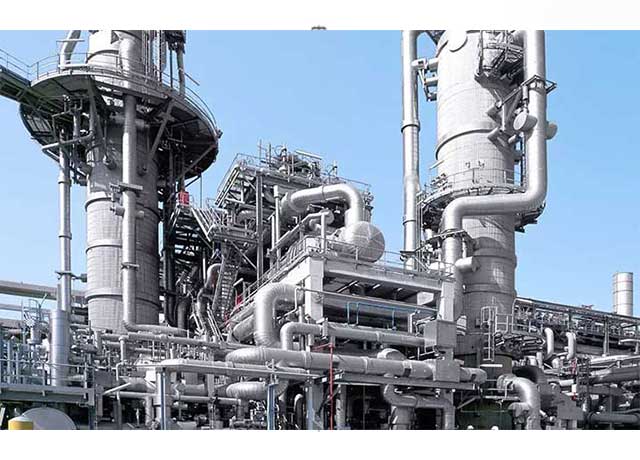
  • Pneumatic Diaphragm Intelligent Pressure Balance Cooling Low Noise Single-Seat Control Valve
    Pneumatic Diaphragm Intelligent Pressure Balance Cooling Low Noise Single-Seat Control Valve
    Jun 04, 2024
    The Pneumatic Diaphragm Intelligent Pressure Balance Cooling Low Noise Single-Seat Control Valve is an advanced control device that integrates high-precision control, low noise, excellent sealing performance, and durability. This control valve is primarily used in industries such as chemical, petroleum, metallurgy, and power, providing efficient and reliable fluid control under various operating conditions. (info@geko-union.com)   Product Features Pneumatic Diaphragm Actuator Utilizes a pneumatic diaphragm actuator for quick response and high control accuracy, particularly suitable for processes requiring rapid adjustment and precise control. The diaphragm design enhances the durability and stability of the actuator, extending its service life. Intelligent Pressure Balance System Integrated intelligent pressure balance system automatically adjusts the valve's pressure, ensuring stable fluid control under various operating conditions. The pressure balance design reduces impact on the valve, preventing damage caused by pressure fluctuations. Cooling Function Built-in cooling function effectively reduces the valve body temperature, suitable for high-temperature media environments, protecting internal components, and extending the device's service life. The cooling function helps maintain the valve's sealing and performance stability, especially under high-temperature and high-pressure conditions. Low Noise Design Unique low noise structural design effectively reduces noise pollution generated during valve operation, enhancing the comfort of the working environment. The low noise feature makes it particularly suitable for process scenarios with high noise requirements, such as hospitals, laboratories, and electronic plants. Single-Seat Structure The simple single-seat structure design facilitates maintenance and operation while providing excellent sealing performance, reducing the risk of media leakage. The single-seat valve core design improves fluid flow capacity, reduces flow resistance, and enhances system operating efficiency. Intelligent Control System Equipped with an advanced intelligent control system, enabling remote monitoring and automation, enhancing operational convenience and efficiency. The intelligent system features self-diagnosis capabilities, allowing for timely detection and feedback of faults, facilitating maintenance and troubleshooting.         Application Fields The Pneumatic Diaphragm Intelligent Pressure Balance Cooling Low Noise Single-Seat Control Valve is widely used in the following fields: Chemical Industry: Used for fluid control in fine chemical processes, ensuring the stability of chemical reactions. Petroleum Industry: Provides efficient and stable fluid transport and pressure regulation in petroleum extraction and processing. Metallurgical Industry: Suitable for cooling and flow control in high-temperature and high-pressure environments, ensuring smooth production processes. Power Industry: Used for fluid control in power plant boilers, turbines, and other equipment, improving system operational efficiency and safety. Conclusion With its excellent control performance, durability, and low noise characteristics, the Pneumatic Diaphragm Intelligent Pressure Balance Cooling Low Noise Single-Seat Control Valve has become an important device in the industrial control field. Its intelligent design and multifunctional integration meet the stringent requirements of modern industries for efficiency, safety, and environmental protection. Through continuous technological innovation and optimization, this control valve will play a crucial role in more fields, promoting the progress of industrial automation and intelligence.  
    Read More

  • GEKO Control Valves in Boiler Systems
    GEKO Control Valves in Boiler Systems
    Jun 04, 2024
    In boiler systems, various valves play crucial roles in ensuring the safety, efficiency, and stable operation of the system. Here are some commonly used control valves in Boiler Systems of GEKO brand. (info@geko-union.com) Boiler Feed Water Valve (BFW Valve) Purpose: Controls the flow and pressure of water entering the boiler. Installation: Positioned between the feed water pump outlet and boiler inlet. GEKO Product: GEKO BFW-100 Electric Control Valve, known for high precision and high-temperature resistance.   Continuous Blowdown Valve (CBD Valve) Purpose: Continuously removes impurities and scale from boiler water to maintain water quality. Installation: Located at the top or side of the boiler water system. GEKO Product: GEKO CBD-200 Pneumatic Control Valve, designed for rapid response suitable for high-frequency operations. Intermittent Blowdown Valve (IBD Valve) Purpose: Periodically removes sediment and impurities from the bottom of the boiler. Installation: Positioned on the blowdown line at the bottom of the boiler. GEKO Product: GEKO IBD-300 Manual Control Valve, known for robust construction and durability. Vent Valve Purpose: Releases air or steam from the system during startup or shutdown to maintain stable internal pressure. Installation: Positioned at high points or the top of the boiler. GEKO Product: GEKO VV-400 Electromagnetic Vent Valve, designed for quick operation. Superheated Steam Control Valve Purpose: Controls the flow and pressure of superheated steam. Installation: Installed at the outlet of the superheater or main steam pipeline. GEKO Product: GEKO SSC-500 Electric Control Valve, suitable for high-temperature and high-pressure steam control.   Desuperheater and Pressure Reducing Valve ( PRDS Valve ) Purpose: Reduces the temperature and pressure of superheated steam. Installation: Installed in steam pipelines for steam delivery from the boiler to steam-using equipment. GEKO Product: GEKO PRDS-600 Spray Desuperheater, featuring precise temperature control. Fuel Control Valve Purpose: Controls fuel flow to ensure stable and efficient combustion in the boiler. Installation: Positioned in the fuel supply pipeline. GEKO Product: GEKO FCV-700 Pneumatic Control Valve, suitable for natural gas and liquid fuel systems. Safety Valve Purpose: Automatically releases excess pressure when system pressure exceeds the set value to protect the boiler and system. Installation: Located at the top of the boiler or on steam pipelines. GEKO Product: GEKO SV-800 Spring Safety Valve, known for high reliability in high-pressure systems. Recirculation Control Valve Purpose: Ensures stable operation of the feed water pump at low flow rates and prevents pump overheating and damage by regulating recirculation flow. Installation: Positioned in the recirculation line of the feed water pump. GEKO Product: GEKO RCV-900 Recirculation Valve, designed for high-temperature and high-pressure applications in boiler feed water systems.     These valves work together in boiler systems to ensure efficient, safe, and stable operation under various conditions. GEKO brand valves are widely respected in the industry for their high quality and reliability. Contact us: info@geko-union.com
    Read More
  • Under Silo Special Knife Gate Valves with Vent Hole and Scraper and Conical
    Under Silo Special Knife Gate Valves with Vent Hole and Scraper and Conical
    Jun 04, 2024
    GEKO's latest design, the new knife gate valve with blowout holes, is capable of handling high-speed flow, high viscosity, and media containing particulates. This innovation significantly extends the valve's service life, particularly due to its blowout holes and bottom component design, which also makes maintenance much more convenient. I.Built-in Scraper at Packing: The built-in scraper at the packing primarily enhances sealing performance, reduces leakage, extends valve service life, ensures structural stability, and facilitates easy processing and installation.   1. The design of the built-in scraper at the packing of the knife gate valve effectively improves the sealing performance by incorporating a scraper within the packing. This design leverages the physical characteristics of the scraper, such as an arc-shaped inclined surface that closely adheres to the valve body and extends along the valve plate, and a C-shaped cross-section fixed by the knife seat. This makes the overall structure easy to process and install while maintaining structural stability and resistance to deformation over prolonged use. Such a design maintains consistent cleaning efficacy, thereby reducing leakage and enhancing equipment operational efficiency.   . Additionally, the built-in scraper exhibits strong wear resistance, with the sealing surfaces of the knife plate and base made from hard materials. It can handle high-speed flow, high viscosity, and media containing particulates. When dealing with particulate-laden media, the wear-resistant materials of the scraper help to reduce wear and leakage issues, thereby increasing the reliability of the valve. Dual-Sided Scraper Design of the Valve Plate:   Enhanced Sealing Performance: The knife gate valve boasts excellent sealing performance, with gaskets made from either metal or elastic materials to effectively prevent media leakage. This design ensures a significant improvement in the sealing performance between the valve plate and the seat during opening and closing operations, thereby reducing the likelihood of media leakage. High Adaptability: The knife gate valve exhibits good wear resistance, with both the valve plate and the base's sealing surfaces made from hard materials. This allows the valve to handle high-speed flow, high viscosity, and media containing particulates. This design makes the knife gate valve more reliable when dealing with particulate-laden media, reducing wear and leakage issues Extended Service Life: The knife gate valve design considers factors that extend its service life. For example, the bottom end of the valve plate is processed into a blade shape, which can cut through soft materials while ensuring smooth opening and closing. Additionally, a hard PTFE scraper is installed at the upper end of the valve plate to prevent abrasive substances such as dust and gravel from entering the packing box, significantly improving the lifespan of the valve plate.   3. Unique Design Compatible with Both Hard Sealing and Soft Sealing Structures The advantage of having both hard and soft seals in a knife gate valve lies in the flexibility and adaptability it offers, allowing the valve to meet different operational environments and sealing requirements.   By integrating both hard and soft seals in the same valve, users can choose according to specific operational conditions and requirements. For instance, in situations demanding high wear resistance and high-temperature performance, a hard seal is preferred; whereas in cost-sensitive applications or those requiring frequent seal replacements, a soft seal is more suitable. This design provides greater flexibility, enabling the valve to adapt to various working conditions while maintaining excellent sealing performance and lower costs.   Additionally, this design can extend the valve's service life to a certain extent. Since hard and soft seals each have their own service life, a compatible design can balance the usage of both, thereby prolonging the overall service life of the valve. Contact us: info@geko-union.com  
    Read More
  • Pneumatic Piston Type Intelligent Pressure Balance Cooling Low Noise Single-Seat Control Valve
    Pneumatic Piston Type Intelligent Pressure Balance Cooling Low Noise Single-Seat Control Valve
    Jun 04, 2024
    In the modern industrial landscape, where precision, efficiency, and noise control are critical, the pneumatic piston type intelligent pressure balance cooling low noise single-seat control valve emerges as a sophisticated solution. This advanced valve design combines multiple features to enhance performance and reliability across various applications. Overview The pneumatic piston type intelligent pressure balance cooling low noise single-seat control valve is engineered to meet the demands of high-precision control in dynamic environments. It integrates pneumatic actuation with intelligent pressure balancing, advanced cooling mechanisms, and low-noise operation in a single-seat configuration. This design ensures optimal performance, minimal noise pollution, and extended service life. Key Features Pneumatic Actuation:The valve utilizes pneumatic pistons for actuation, offering fast and reliable response times. Pneumatic actuation provides precise control over the valve position, ensuring accurate regulation of flow rates and pressures. Intelligent Pressure Balance:The intelligent pressure balance system maintains equilibrium between the upstream and downstream pressures. This feature minimizes the effects of pressure fluctuations and enhances the stability and accuracy of the valve's operation. Cooling Mechanism:Integrated cooling technology prevents overheating and ensures consistent performance even under high-demand conditions. The cooling system dissipates heat generated during operation, protecting the valve components and extending their lifespan. Low Noise Operation:The low-noise design reduces operational sound levels, making the valve suitable for environments where noise control is essential. This feature contributes to a quieter and more comfortable working environment. Single-Seat Configuration:The single-seat design simplifies the valve's construction, making it more compact and cost-effective. It also reduces the number of moving parts, enhancing reliability and ease of maintenance. Applications This versatile valve is ideal for a wide range of applications, including: Chemical Processing:Ensuring precise control of corrosive and hazardous fluids while maintaining a low noise profile. Pharmaceutical Manufacturing:Handling sensitive processes where accurate flow regulation and noise reduction are crucial. HVAC Systems:Managing airflow and temperature control in heating, ventilation, and air conditioning systems. Water Treatment:Regulating water flow in treatment plants with minimal noise impact. Benefits Enhanced Control:Provides precise flow regulation and pressure management, improving overall system efficiency. Reliability:The robust design and intelligent features ensure consistent performance and reduced maintenance needs. Noise Reduction:Contributes to a quieter operation, promoting a more comfortable working environment. Longevity:The integrated cooling system and durable construction extend the valve's operational lifespan. Conclusion The pneumatic piston type intelligent pressure balance cooling low noise single-seat control valve represents a significant advancement in valve technology. Its combination of pneumatic actuation, intelligent pressure balancing, advanced cooling, and low-noise operation makes it a versatile and reliable choice for various industrial applications. By addressing key challenges such as precision control, noise reduction, and component longevity, this valve ensures optimal performance and efficiency in demanding environments.
    Read More
1 2 3 4 5 6 7
A total of7pages

leave a message

leave a message
If you are interested in our products and want to know more details,please leave a message here,we will reply you as soon as we can.
submit

home

products

contact